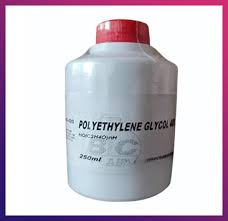

Polyethylene glycol (PEG) is a versatile polymer used across pharmaceuticals, personal care, cosmetics, food-related applications, industrial formulations, and specialty chemical processes. Its water solubility, chemical stability, and availability in different molecular-weight grades allow manufacturers to select materials according to specific formulation and processing requirements.
A recent study by MarkNtel Advisors states that the Global Polyethylene Glycol Market was valued at USD 3.64 billion in 2025. It is projected to grow from USD 3.86 billion in 2026 to USD 5.45 billion by 2032, exhibiting a CAGR of 5.92% during the forecast period. The market’s expansion is supported by the growing use of PEG across pharmaceutical formulations, cosmetics, personal care products, food-related applications, and industrial processes.
Pharmaceutical Applications Strengthen Demand
Pharmaceuticals represent an important application area for polyethylene glycol because different molecular-weight grades can provide distinct formulation properties. Depending on the intended use, PEG can function as a formulation aid, solvent, lubricant, carrier, or other pharmaceutical excipient.
Its water-soluble characteristics can support formulations where dissolution, consistency, and compatibility are important. PEG is also used in pharmaceutical products such as oral preparations containing PEG 3350, demonstrating its established role within certain regulated applications. The U.S. Food and Drug Administration’s substance database lists multiple approved drug products containing polyethylene glycol 3350.
Molecular Weight Shapes Product Performance
PEG is available across a broad range of molecular weights, and these differences influence physical characteristics such as viscosity, solubility, consistency, and handling properties. Lower-molecular-weight grades can occur as liquids, while higher-molecular-weight grades may have more solid or wax-like characteristics.
This flexibility allows manufacturers to select grades according to the requirements of individual applications. Pharmaceutical, cosmetic, food-related, and industrial formulators can therefore use different PEG grades to achieve targeted physical and chemical properties.
Personal Care Creates Formulation Opportunities
PEG and PEG-derived ingredients are used in personal care and cosmetic formulations for functions including emulsification, cleansing, solubilization, conditioning, and texture modification. These properties can help formulators combine ingredients with different characteristics while maintaining desired product consistency.
Skincare, haircare, cleansing products, creams, lotions, and other personal care categories can incorporate PEG-based ingredients according to formulation objectives. The Cosmetic Ingredient Review has evaluated numerous PEG-related ingredients and identified applications including surfactant, emulsifying, cleansing, and solubilizing functions. Its PEG safety assessment provides supporting information on PEG-related cosmetic ingredients.
Food-Related Uses Expand Application Scope
PEG also has recognized uses in selected food-related applications. The FDA’s food-substance inventory lists polyethylene glycol with functions including formulation aid, lubricant or release agent, surface-active agent, and other technical effects, depending on the applicable use.
The FDA’s food-substance inventory provides information on polyethylene glycol grades and recognized technical functions. Such applications demonstrate the breadth of PEG’s use beyond pharmaceutical and cosmetic formulations.
Industrial Applications Broaden Market Reach
Polyethylene glycol is also relevant to industrial formulations where properties such as lubrication, solubility, surface activity, and moisture retention are required. Applications can span specialty chemicals, processing aids, coatings, adhesives, plastics, and other industrial products.
The ability to produce PEG in different molecular-weight grades gives manufacturers flexibility when developing materials for specific technical requirements. This versatility supports demand across industries with different processing conditions and performance expectations.
Formulation Stability Remains Important
Modern formulations frequently combine water, oils, active compounds, polymers, fragrances, and other ingredients with different physical and chemical characteristics. Maintaining stability during manufacturing, storage, and use requires careful selection of formulation components.
PEG can contribute to formulation performance through its solubility, viscosity-modifying, and compatibility characteristics. However, the appropriate molecular-weight grade and concentration depend on the formulation and intended application.
Safety and Regulatory Compliance Matter
Regulatory requirements influence the use of polyethylene glycol across pharmaceuticals, cosmetics, food-related products, and other applications. Manufacturers need to evaluate material specifications, intended use, concentration, exposure, and applicable regulations in each market.
The Cosmetic Ingredient Review has assessed PEGs and PEG derivatives used in cosmetics. Its evaluations consider available toxicological information and current cosmetic use practices. The CIR PEG assessment provides information on the safety assessment of polyethylene glycols as cosmetic ingredients.
Quality Control Supports Consistent Production
Consistent PEG quality is particularly important for applications where formulation performance and regulatory specifications are closely controlled. Parameters such as molecular-weight distribution, purity, moisture, physical form, and other material characteristics can influence downstream processing.
Manufacturers therefore require appropriate testing, production controls, supplier qualification, and quality-management systems. Consistency can help downstream users maintain standardized formulations and predictable production performance.
Advanced Applications Encourage Innovation
Research into polymer chemistry and drug-delivery technologies is expanding the potential applications of PEG. PEGylation, for example, involves incorporating PEG chains into pharmaceutical or biological molecules to modify selected molecular characteristics.
Specialized PEG structures and PEG-based materials are also being explored for advanced formulation and biotechnology applications. Continued research can create opportunities for products with more precisely controlled molecular properties.
Supply Reliability Remains Important
PEG users across pharmaceuticals, personal care, food-related applications, and industrial manufacturing require dependable access to materials with consistent specifications. Supply disruptions can affect production schedules, formulation continuity, and inventory planning.
Manufacturers and downstream users therefore need effective sourcing strategies, inventory management, quality assurance, and supplier relationships to maintain reliable availability.
Future Growth Remains Application-Driven
The Global Polyethylene Glycol Market is evolving through pharmaceutical applications, personal care and cosmetics, food-related uses, industrial formulations, and specialty polymer development. The projected increase from USD 3.86 billion in 2026 to USD 5.45 billion by 2032 reflects continued demand across these diverse application areas.
Future development will remain connected with pharmaceutical innovation, formulation technologies, molecular-weight specialization, personal care applications, industrial processing, quality requirements, and regulatory compliance. As manufacturers continue seeking versatile polymer materials with controlled properties, polyethylene glycol is expected to remain an important component across multiple global industries.