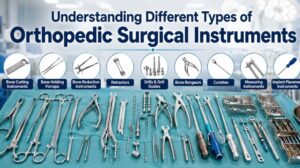

Orthopedic procedures require precision, control, and appropriate equipment to treat bones, joints, muscles, and related structures. Orthopedic Surgical Instruments are specially designed to assist surgeons during procedures such as fracture fixation, joint replacement, bone cutting, and soft-tissue treatment. Understanding the different types of instruments and their applications can help hospitals and healthcare professionals make informed decisions when selecting and maintaining surgical equipment.
What Are Orthopedic Surgical Instruments?
Orthopedic surgical instruments are medical tools designed specifically for procedures involving the musculoskeletal system. They are manufactured in different shapes, sizes, and designs depending on the surgical procedure they are intended to support.
These instruments are generally made from durable, medical-grade materials that can withstand repeated cleaning and sterilization. Their design focuses on precision, strength, reliability, and ease of handling during surgery.
Bone Cutting Instruments
Bone cutting instruments are used when surgeons need to cut, shape, or remove sections of bone during orthopedic procedures. Common examples include bone saws, osteotomes, and bone-cutting forceps.
Osteotomes are commonly used to cut or shape bone, while surgical saws can assist with controlled bone cutting during procedures such as joint replacement. The choice of instrument depends on the procedure and the required level of precision.
Bone Holding Forceps
Bone holding forceps are designed to securely grip and stabilize bones during surgery. Maintaining a stable position is particularly important when surgeons are aligning or fixing fractured bones.
These instruments are available in various sizes and configurations to accommodate different bones and surgical requirements. Their gripping surfaces are designed to provide adequate control while minimizing unnecessary tissue damage.
Bone Reduction Instruments
Bone reduction instruments help surgeons bring fractured bone fragments into proper alignment. Reduction forceps are commonly used for holding and manipulating bone fragments during fracture treatment.
Accurate reduction is an important part of orthopedic surgery because proper alignment can support healing and restore normal function. Different types of reduction forceps are selected depending on the location and size of the fracture.
Retractors
Retractors are used to hold tissues and muscles away from the surgical area, providing surgeons with better visibility and access to the operating site.
Orthopedic retractors come in different designs and sizes. Some are manually operated, while others can maintain tissue separation for longer periods. Selecting the appropriate retractor depends on the procedure and the area being treated.
Drills and Drill Guides
Orthopedic drills are used to create precise holes in bone for procedures such as fracture fixation and implant placement. Drill guides can help surgeons maintain the correct position and direction during drilling.
These instruments require accurate construction because even small variations can affect the placement of screws, plates, or other orthopedic implants.
Bone Rongeurs
Bone rongeurs are cutting instruments designed to remove small pieces of bone or reshape bone surfaces. They are available in various configurations to provide access to different surgical areas.
Their strong jaws allow controlled removal of bone during procedures where precision is required. Proper handling and maintenance are important to preserve their cutting performance.
Curettes
Bone curettes are used to remove tissue, debris, or abnormal material from bone cavities. They are available with different shapes and working ends depending on the surgical application.
Their design allows surgeons to access specific areas while maintaining control over the instrument. Different curettes may be selected based on the size and depth of the area being treated.
Measuring and Positioning Instruments
Orthopedic surgery may also require measuring instruments to determine dimensions, depth, alignment, or implant positioning. Accurate measurements can help surgeons select suitable implants and achieve proper positioning.
These instruments may include depth gauges, measuring devices, alignment guides, and other specialized tools. Their accuracy and proper calibration can be important during procedures involving implants.
Implant Placement Instruments
Some orthopedic procedures involve the use of plates, screws, rods, nails, or joint implants. Specialized instruments can help surgeons position, insert, tighten, or adjust these implants.
Screwdrivers, insertion guides, impactors, and other specialized tools are commonly used depending on the type of implant and surgical technique. Using the correct instrument can improve control during implant placement.
Importance of Instrument Quality
The quality of orthopedic instruments can influence their usability and durability. Instruments should have suitable construction, smooth surfaces, accurate dimensions, and reliable working mechanisms.
Regular inspection is also important. Instruments should be checked for corrosion, damaged edges, loose joints, or other defects before use. Proper cleaning, sterilization, handling, and storage can further extend their service life.
Choosing the Right Orthopedic Instruments
Healthcare facilities should consider several factors when selecting orthopedic instruments. These include the intended surgical application, instrument design, material quality, manufacturer reliability, compatibility with surgical systems, and maintenance requirements.
A well-organized inventory can also help surgical teams quickly access the instruments required for different procedures. Proper identification and storage can reduce preparation time and support efficient operating-room workflows.
Conclusion
Understanding the different types of orthopedic surgical instruments helps healthcare professionals identify the tools required for specific procedures. From bone cutters and reduction forceps to retractors, drills, curettes, and implant placement instruments, each tool serves a particular purpose. Proper selection, maintenance, sterilization, and storage are essential for keeping instruments reliable and ready for use. Although orthopedic instruments are designed for musculoskeletal procedures, healthcare facilities should also select specialty-specific equipment carefully, including Ent Surgery Instruments, based on their clinical requirements.