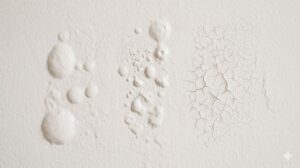

There are few things more frustrating for a homeowner than investing time, money, and energy into refreshing a space, only to watch the new finish deteriorate before their eyes. A wall is supposed to serve as a smooth, flawless canvas that brings a room together. When unsightly bubbles emerge beneath the surface, or intricate spiderweb cracks begin to spread across the drywall, that canvas turns into an inescapable eyesore. Paint failure is rarely a mystery; it is almost always a symptom of an underlying environmental issue, an application error, or a breakdown in material integrity.
Understanding the precise mechanics behind these failures is the first step toward correcting them permanently. At Premier Painting & Contracting LLC, we have spent years diagnosing and resolving these exact issues for homeowners. A lasting finish requires more than just brushing color onto a wall. It demands an understanding of surface science, climate impact, and material compatibility. By exploring the root causes of bubbling, blistering, and cracking, you can protect your property and ensure your next project results in a resilient, flawless finish.
The Underlying Mechanisms of Paint Failure
To understand why a coating fails, you must first understand what paint actually is. Modern architectural coatings are complex chemical formulations designed to adhere tightly to a substrate while remaining flexible enough to expand and contract with temperature changes. When a coating fails, it means one of these two primary functions—adhesion or elasticity—has been compromised.
Adhesion loss typically presents as bubbling or blistering. This occurs when the bond between the paint film and the underlying surface is broken, allowing air or moisture to collect in the resulting void and push the flexible paint film outward. Elasticity loss, on the other hand, presents as cracking, alligatoring, or flaking. This happens when the paint film becomes too brittle to accommodate the natural swelling and shrinking of the building materials beneath it, causing the rigid film to fracture under stress.
Common Culprits Behind Blistering and Bubbling Paint
Blistering is a clear indicator that the paint has lost its grip on the substrate. While the bubbles may look similar from the outside, the forces creating them can vary significantly depending on where the moisture or gas is originating.
Moisture Trapped Beneath the Surface
Moisture is the undisputed enemy of proper paint adhesion. If a surface is even slightly damp during application, the paint will struggle to form a mechanical bond with the material. As the trapped moisture attempts to evaporate, it turns into a vapor. Because high-performance modern paints create a highly impermeable seal, this vapor cannot pass through the film. Instead, it pushes against the back of the paint layer, stretching it outward to form a blister. This is incredibly common in exterior applications where wood siding was not allowed to dry fully after a rainstorm, but it is equally problematic indoors.
High Humidity and Inadequate Ventilation
Indoor environments present their own unique challenges, particularly in areas prone to sudden spikes in humidity. Bathrooms, kitchens, and laundry rooms generate immense amounts of steam. If a room lacks proper exhaust ventilation, condensation builds up on the walls. Over time, this surface moisture permeates the microscopic pores of older or lower-quality finishes, getting behind the paint film and forcing it away from the drywall. A well-experienced Interior House Painter in Gresham Oregon understands that these specific rooms require specialized, moisture-resistant formulations and thorough ventilation strategies to prevent long-term blistering.
Heat Blistering and Direct Sunlight
While moisture is the most common cause of bubbles, temperature plays a critical role as well. Heat blistering occurs when paint is applied in direct, intense sunlight, or on a surface that is exceptionally hot. The extreme heat causes the outermost layer of the fresh paint to dry and form a skin before the solvents in the lower layers have had a chance to evaporate safely. As these trapped solvents eventually turn to gas, they push up against the dried outer skin, forming prominent, dry bubbles across the surface.
Why Paint Cracks, Flakes, and Peels
Cracking might begin as microscopic hairline fractures, but it will inevitably lead to widespread flaking and peeling if left unaddressed. Unlike blistering, which is often a moisture issue, cracking is fundamentally an issue of surface preparation and application technique.
Skipping Essential Preparation Steps
The most frequent cause of cracking and peeling is applying new paint over a dirty, glossy, or unprepared surface. Dust, airborne grease, and leftover cleaning chemicals act as a barrier, preventing the new coating from biting into the substrate. Similarly, painting directly over a hard, glossy enamel without scuff-sanding or applying an appropriate bonding primer will guarantee a weak bond. When the temperature changes and the walls subtly expand, the weakly bonded paint cannot move with the wall. The stress causes the film to snap, resulting in jagged cracks that eventually curl at the edges and flake off.
Applying Paint Too Thin or Too Thick
Application technique directly influences the structural integrity of the dried film. If paint is spread too thin to save money or stretch materials, it lacks the necessary density and tensile strength to hold together over time. Conversely, applying paint too thickly—or applying a second coat before the first coat has fully cured—creates a heavy, top-heavy layer. As the overly thick layer dries, it shrinks unevenly. This uneven drying creates a pattern of deep, muddy-looking cracks, appropriately known in the industry as mud cracking.
Aging and Natural Loss of Elasticity
All materials degrade over time, and architectural coatings are no exception. Even the most innovative products will eventually lose their elasticity as they cure over decades and are exposed to fluctuating temperatures, UV light, and household wear. As the binders in the paint age and dry out, the film becomes brittle. When the home shifts or the wood trim expands during a humid Pacific Northwest winter, the brittle paint simply shatters along the stress lines.
Real-World Example: Salvaging a Moisture-Damaged Master Bathroom
To illustrate how these principles apply in a real home, consider a recent project undertaken by Premier Painting & Contracting LLC. A local homeowner contacted us frustrated by their master bathroom ceiling. Large, unsightly blisters had formed directly above the shower, and peeling flakes of paint were dropping onto the floor.
Upon inspection, our team identified two compounding issues. First, the bathroom’s exhaust fan was undersized, allowing heavy condensation to linger on the ceiling for hours after every shower. Second, the previous contractor had used a standard builder-grade flat ceiling paint without a moisture-resistant primer.
To resolve the issue permanently, our team scraped away all the failing material, taking the ceiling back to a sound, stable substrate. We skim-coated the damaged areas to restore a perfectly smooth surface. Next, we applied a cutting-edge, high-adhesion sealing primer specifically designed to block moisture penetration. Finally, we finished the ceiling with a premium satin enamel that repels condensation rather than absorbing it. By addressing both the environmental cause and the material deficiency, we provided a scalable, long-term solution that looks beautiful and is built to survive a high-moisture environment.
Professional Strategies to Prevent Paint Failures
Preventing these unsightly failures is always more cost-effective than fixing them after the fact. Achieving a proven, lasting finish requires strict adherence to industry best practices.
Thorough Surface Preparation
A top-rated finish relies entirely on what happens before the paint can is even opened. All surfaces must be washed to remove oils, dust, and contaminants. Any existing loose or flaking paint must be meticulously scraped and sanded smooth. Glossy surfaces need to be deglossed or sanded to create a microscopic texture, known as a profile, which gives the new primer something to grab onto.
Choosing the Right High-Performance Products
Not all paints are created equal. Using user-friendly, high-performance acrylics and elastomeric coatings can drastically reduce the risk of cracking, as these formulas are engineered to stretch and bridge small gaps as the home settles. Furthermore, utilizing the correct primer for the specific substrate—whether it is raw wood, new drywall, or previously stained trim—is non-negotiable for establishing a permanent bond.
Trusting Your Home to a Well-Experienced Team
When hiring a reliable residential house painter Gresham Oregon, homeowners quickly learn that superior results come from meticulous attention to detail. Identifying the subtle environmental factors that cause bubbling, blistering, and cracking takes a trained eye and years of hands-on application.
At Premier Painting & Contracting LLC, we pride ourselves on delivering a results-driven approach to every home we step into. We do not just cover up problems; we diagnose the root causes and implement trusted, industry-leading solutions to ensure your interior and exterior surfaces remain beautiful for years to come. By pairing affordable, high-quality craftsmanship with an unwavering commitment to proper preparation, we protect your investment from the pitfalls of premature paint failure.