

A healthy, long-lasting lawn starts long before the first roll of grass touches the soil. After years of hands-on experience with residential and commercial projects, one thing remains clear: smart turf installation decisions lead to stronger lawns, lower maintenance costs, and better long-term returns. Drawing from practical field knowledge at The Kent Lawn Turf Laying Co., this FAQ-style guide answers the most common questions property owners ask when aiming for durable, high-performing turf.
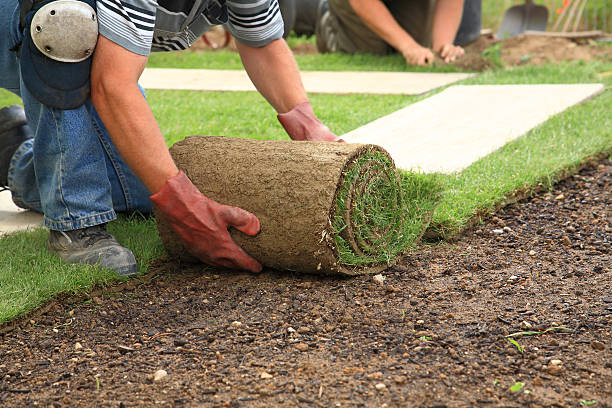
FAQ 1: What preparation is essential before turf installation?
Ground preparation forms the foundation of every successful lawn. Skipping this step often results in uneven growth, poor drainage, and premature turf failure.
Proper preparation includes removing weeds, old grass, and debris, followed by loosening compacted soil. Adding quality topsoil improves nutrient availability and root penetration. A level surface ensures even moisture distribution and prevents pooling.
From a long-term perspective, correct preparation reduces repair costs and extends lawn lifespan, making turf installation a smart investment rather than a recurring expense.
FAQ 2: When is the best time of year for turf installation?
Timing affects how quickly turf establishes and how resilient the lawn becomes. Mild temperatures and consistent moisture provide ideal conditions.
Spring and early autumn often deliver the best balance between soil warmth and reduced heat stress. Summer installations remain possible with disciplined watering, while winter installations require frost-free ground and careful scheduling.
Choosing the right season supports faster rooting, which improves durability and reduces water usage during early growth stages.
FAQ 3: How soon can a new lawn be used after installation?
Patience protects turf performance. Immediate foot traffic compresses soil and disrupts root development.
Light walking usually becomes safe after two to three weeks, depending on weather and soil conditions. Full use, including furniture placement or regular activity, should wait until roots anchor firmly into the soil base.
Allowing adequate establishment time maximizes turf strength, helping the lawn withstand wear without thinning or patching later.
FAQ 4: How much watering does new turf really need?
Watering mistakes rank among the top causes of turf failure. New turf requires consistent moisture, not excessive soaking.
Initial watering should saturate the soil beneath the turf to encourage downward root growth. Short, frequent watering during the first two weeks keeps turf hydrated without waterlogging. Gradual reduction follows as roots establish.
Efficient watering during turf installation lowers future water bills and promotes deeper roots that resist drought stress.
FAQ 5: When should mowing begin on a newly installed lawn?
Mowing too early damages tender roots, while mowing too late stresses grass blades.
The first cut should happen once grass reaches about 50–60 mm in height and feels firmly rooted when gently lifted. Sharp blades prevent tearing and reduce stress on young turf.
Correct mowing habits from the start shape lawn density, color, and resilience for years to come.
FAQ 6: What maintenance habits extend lawn lifespan the most?
Consistency matters more than intensity. Regular care keeps turf healthy without excessive effort.
Seasonal feeding replenishes nutrients lost through growth and weather exposure. Aeration improves airflow and drainage, especially in high-use areas. Weed monitoring prevents invasive growth from competing with turf roots.
Strategic maintenance enhances lawn appearance while protecting the initial turf installation investment, delivering strong visual and financial returns.
FAQ 7: Can turf improve property value and usability?
A well-installed lawn offers more than visual appeal. Turf creates functional outdoor space that supports relaxation, recreation, and entertaining.
Buyers and tenants often associate healthy lawns with overall property care. For businesses, attractive green areas enhance customer perception and dwell time.
Durable turf reduces future landscaping costs, making lawn investment financially practical as well as visually rewarding.
FAQ 8: Why does professional installation make such a difference?
Experience eliminates guesswork. Professional teams understand soil behavior, drainage patterns, and turf handling techniques that affect long-term success.
Precise joints, correct rolling, and proper aftercare guidance prevent early failures. Consistent quality ensures uniform growth and a polished finish.
Projects completed by The Kent Lawn Turf Laying Co. consistently show stronger establishment rates, fewer remedial works, and better overall lawn performance.
Final Thoughts: Building Lawns That Last
Long-lasting lawns result from informed choices, not shortcuts. Each decision—from soil preparation to aftercare—plays a role in turf success. Understanding the realities of turf installation helps property owners avoid common pitfalls and maximize long-term value.
A lawn built with care rewards investment through reduced maintenance costs, improved usability, and enhanced property appeal. With the right knowledge and execution, turf becomes a dependable asset rather than a recurring challenge.