
In today’s digital-first business environment, applications have become the backbone of organizational operations. Whether it’s customer-facing web applications, mobile apps, cloud-based platforms, or internal business systems, organizations rely heavily on software to deliver services and support critical business functions. However, as applications become more sophisticated and interconnected, they also become attractive targets for cybercriminals.
Application security has become a critical component of a modern cybersecurity strategy. Attackers continuously look for vulnerabilities within applications that can be exploited to gain unauthorized access, steal sensitive information, disrupt operations, or compromise entire networks. Understanding the most common application security threats is the first step toward building a stronger security posture and reducing cyber risks.
Explore Application Security Solutions: https://tinyurl.com/msjbz4az
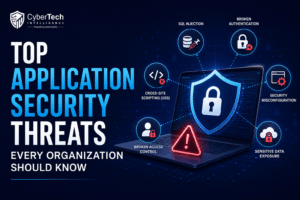
One of the most prevalent application security threats is SQL Injection (SQLi). This attack occurs when malicious code is inserted into application queries, allowing attackers to manipulate databases. Successful SQL injection attacks can expose sensitive customer information, financial records, login credentials, and proprietary business data. Despite being a well-known threat, SQL injection remains a common issue due to poor input validation and insecure coding practices.
Another significant threat is Cross-Site Scripting (XSS). XSS attacks occur when malicious scripts are injected into trusted websites or applications. When users interact with compromised content, attackers can steal session cookies, login credentials, and other sensitive information. Organizations with customer-facing applications must implement proper input validation and output encoding to reduce the risk of XSS attacks.
Broken Authentication and Access Control continue to be major concerns for organizations worldwide. Weak passwords, insecure session management, and improperly configured authentication mechanisms can allow attackers to gain unauthorized access to applications. Once inside, threat actors may escalate privileges, access confidential information, or compromise critical business functions. Implementing multi-factor authentication (MFA), strong password policies, and role-based access controls can significantly reduce these risks.
The growing use of APIs has also introduced new security challenges. API Security Vulnerabilities have become increasingly common as organizations integrate applications, cloud services, and third-party platforms. Unsecured APIs can expose sensitive data and provide attackers with direct access to backend systems. Proper authentication, authorization, rate limiting, and continuous monitoring are essential to securing APIs and preventing unauthorized access.
Another threat organizations should be aware of is Security Misconfiguration. Applications often contain security weaknesses due to default settings, unnecessary features, exposed cloud storage, or improperly configured servers. Cybercriminals actively scan for these weaknesses and exploit them to gain entry into systems. Regular security assessments and configuration reviews can help identify and address these vulnerabilities before attackers do.
Cross-Site Request Forgery (CSRF) is another common application security threat. In a CSRF attack, attackers trick authenticated users into performing unintended actions within an application. This can result in unauthorized transactions, account modifications, or data manipulation. Organizations can mitigate CSRF risks by implementing anti-CSRF tokens and secure authentication mechanisms.
As businesses increasingly adopt cloud-based applications, Sensitive Data Exposure remains a serious concern. Applications often process and store valuable information such as personal data, financial records, intellectual property, and healthcare information. Without proper encryption and access controls, sensitive data may be exposed during transmission or storage. Data breaches resulting from poor protection measures can lead to financial losses, regulatory penalties, and reputational damage.
Remote Code Execution (RCE) is among the most dangerous application security threats. RCE vulnerabilities allow attackers to execute malicious code on servers or systems running the application. This can result in complete system compromise, ransomware deployment, data theft, or service disruption. Organizations should regularly update software components, patch vulnerabilities, and conduct penetration testing to identify potential RCE risks.
Third-party software dependencies have become another major attack vector. Modern applications often rely on open-source libraries, frameworks, and external components to accelerate development. While these tools offer significant benefits, they can also introduce vulnerabilities if not properly maintained. Attackers frequently target outdated or vulnerable third-party components to gain access to applications and networks. Maintaining a software inventory and regularly updating dependencies is essential for reducing this risk.
The rise of automated attacks has also increased the threat posed by Credential Stuffing. In these attacks, cybercriminals use stolen usernames and passwords from previous data breaches to gain access to other applications. Since many users reuse passwords across multiple platforms, credential stuffing attacks can be highly effective. Organizations can protect against these threats by implementing MFA, monitoring login activity, and encouraging strong password practices.
Insider threats should not be overlooked when discussing application security. Employees, contractors, or partners with legitimate access may intentionally or accidentally expose sensitive information. Proper access controls, user activity monitoring, and security awareness training can help organizations minimize insider-related risks.
As cyber threats continue to evolve, application security must become a proactive business priority rather than a reactive measure. Organizations should adopt secure development practices, conduct regular vulnerability assessments, perform penetration testing, and integrate security throughout the software development lifecycle. A comprehensive application security strategy helps identify weaknesses early and reduces the likelihood of successful attacks.
Businesses that invest in application security gain more than just protection against cyber threats. Strong security practices help maintain customer trust, support regulatory compliance, reduce downtime, and protect valuable digital assets. In an era where data breaches can have severe financial and reputational consequences, application security is no longer optional.
Read More About Application Security and discover how organizations can strengthen software security, improve resilience, and safeguard critical business operations. https://tinyurl.com/msjbz4az
In conclusion, application security threats continue to grow in both complexity and frequency. From SQL injection and XSS attacks to API vulnerabilities and remote code execution, organizations face a wide range of risks that can impact business operations and customer trust. By understanding these threats and implementing effective security measures, businesses can reduce vulnerabilities, improve resilience, and create a safer digital environment. As applications become increasingly central to business success, investing in application security remains one of the most important steps organizations can take to protect their future.