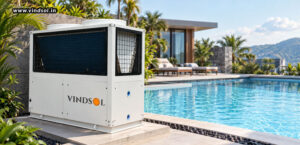

Buying a swimming pool heater is not simply about choosing a unit with a high heating capacity. The right system needs to match the pool size, usage pattern, climate, water circulation system, installation conditions, and expected operating costs. A heater that looks suitable on paper may not deliver the desired performance if its specifications do not match the actual requirements of the pool. This checklist helps buyers evaluate the important factors before making a decision. From heating capacity and energy efficiency to installation requirements, controls, durability, maintenance, and after-sales support, each point can help you compare options more confidently and choose a system suited to your pool.
- Check your pool’s heating requirements
Pool size is the first most important factor to check because a larger volume of water requires more energy to reach and maintain the desired temperature. Check the pool’s length, width, average depth, and approximate water volume. Also consider whether the pool is indoor or outdoor, how frequently it will be used, and whether heating is required throughout the year or only during certain seasons. The preferred water temperature also matters.
Buyer’s checklist:
☐ Pool dimensions and water volume
☐ Desired water temperature
☐ Frequency of pool usage
☐ Indoor or outdoor location
☐ Seasonal or year-round heating requirements
- Check the heater’s heating capacity
Heating capacity should match the requirements of the pool. An undersized heater may take too long to raise the water temperature and may struggle to maintain it, especially when outdoor conditions are cooler. At the same time, selecting a system significantly larger than necessary may increase the initial investment without providing proportional benefits.
Buyer’s checklist:
☐ Heating capacity matches pool size
☐ Recommended capacity is based on actual pool conditions
☐ Target temperature has been considered
☐ Expected heat loss has been included
☐ The system can maintain the desired temperature consistently
- Check energy efficiency and COP
Since pool heating can involve extended operating periods, the efficiency of the system directly affects long-term electricity consumption and running costs. The Coefficient of Performance (COP) indicates how much heat the system can deliver compared with the electrical energy it consumes under specified conditions. However, actual performance can vary depending on air temperature, water temperature, humidity, and operating conditions.
Buyer’s checklist:
☐ COP has been provided
☐ COP testing conditions are understood
☐ Expected electricity consumption has been discussed
☐ Long-term operating costs have been considered
☐ Efficiency suits the expected usage pattern
- Check the operating temperature range
Weather conditions can change considerably throughout the year, and the performance of a heat pump can be affected by the surrounding air temperature. Before purchasing, it is essential to check how the system performs during the cooler conditions in which the pool is likely to be used. A system that performs well under ideal conditions but has limitations during cooler weather may not provide the consistency you expect.
Buyer’s checklist:
☐ Operating temperature range is clearly specified
☐ System is suitable for local weather conditions
☐ Cooler-season performance has been considered
☐ Year-round operation requirements have been discussed
☐ Performance expectations are realistic
- Check the heat exchanger material
Since pool water contains chemicals used for sanitation and water treatment, the material used for the heat exchanger should be suitable for this environment. Check whether the heat exchanger is designed to withstand prolonged exposure to treated pool water and whether it offers appropriate corrosion resistance.
Buyer’s checklist:
☐ Heat exchanger material is clearly specified
☐ Material is suitable for pool water
☐ Corrosion resistance has been considered
☐ Chemical exposure has been accounted for
☐ Long-term durability has been evaluated
- Check water flow requirements
Before installation, check the required water flow rate and confirm that your existing pool circulation system can meet the requirements. An unsuitable flow rate can affect heating performance and may cause operating problems. Ask whether the existing pool pump, filter, and plumbing arrangement are compatible with the proposed heater.
Buyer’s checklist:
☐ Required water flow rate is known
☐ Existing pool pump is compatible
☐ Filter and circulation system have been considered
☐ Plumbing connections are suitable
☐ Additional equipment requirements are clear
- Check installation requirements
Even an efficient heater needs the right installation conditions to perform properly. Before purchasing, check where the unit can be installed and whether sufficient space is available around it. Heat pump systems require adequate airflow, so placing the unit in a confined area can affect performance. The installation location should also allow convenient access for servicing and maintenance.
Buyer’s checklist:
☐ Adequate installation space is available
☐ Airflow requirements can be met
☐ Electrical requirements are understood
☐ Plumbing connections are feasible
☐ Drainage requirements have been considered
☐ Service access is available
- Check temperature controls and user convenience
A good swimming pool heating system should not only heat the water efficiently but also allow users to manage the temperature conveniently. Check whether the system provides clear temperature controls and whether the display is easy to understand. Depending on the system, useful features may include digital temperature settings, automatic temperature regulation, scheduling, and safety monitoring.
Buyer’s checklist:
☐ Temperature can be set easily
☐ Display and controls are user-friendly
☐ Automatic temperature regulation is available
☐ Scheduling options are available if required
☐ Safety controls and sensors are included
- Check noise levels
Noise may not seem important when comparing technical specifications, but it can become noticeable when a pool heater operates for several hours. Consider where the heater will be installed and how close it will be to bedrooms, living areas, neighbouring properties, or recreational spaces. Ask for information about the operating noise level and consider whether the proposed installation location could amplify the sound.
Buyer’s checklist:
☐ Operating noise level has been checked
☐ Installation location has been assessed
☐ Distance from occupied areas has been considered
☐ Long operating periods have been taken into account
- Check build quality and durability
A swimming pool heater is exposed to outdoor conditions, moisture, temperature changes, and potentially corrosive environments. Build quality therefore matters when evaluating long-term reliability. Look beyond the external appearance of the unit. Ask about the materials used for the cabinet, heat exchanger, internal components, and protective coatings. Weather resistance and corrosion protection can be particularly important for outdoor installations.
Buyer’s checklist:
☐ Construction quality has been evaluated
☐ Outdoor suitability has been confirmed
☐ Corrosion resistance has been considered
☐ Weather protection is appropriate
☐ Expected service life has been discussed
Buying a pool heater becomes much easier when the decision is based on more than price or heating capacity. The right system should match the pool’s size, usage, climate, circulation requirements, installation conditions, and long-term operating expectations. Use this checklist to compare specifications, ask the right questions, and evaluate the complete cost and performance of each option. Most importantly, choose a heating solution that can provide reliable temperature control and efficient operation while fitting naturally into your existing pool setup. A careful evaluation before purchase can help avoid compatibility issues, unnecessary operating costs, and performance problems later, making your investment more practical for long-term pool use. Vindsol is the best choice when looking to purchase a swimming pool heater for your space.
Resource : The Ultimate Swimming Pool Heater Buyer’s Checklist