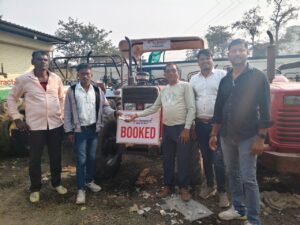

A brand-new tractor has its charm, no doubt. The shine, the smooth engine sound, the feeling that nothing can go wrong. But not everyone needs that kind of investment. I’ve spent years around farms where decisions are practical, not flashy. That’s where second hand tractors quietly step in and do the real work.
They don’t look perfect. Some have faded paint, a dent here and there. But if you know what you’re looking at, those machines can still carry a full day’s load without complaining.
Why a Used Tractor Often Makes More Sense
Not every farm runs on big margins. Sometimes, it’s about saving wherever you can without compromising the work. A second hand tractor gives you that breathing space.
You’re not paying for the “new” factor. The heavy depreciation? Already gone. What you’re left with is a machine that still has life in it, often a lot more than people assume.
I’ve seen tractors that are ten years old but start quicker than some newer ones. Maintenance matters more than age. Always has.
The First Look Tells You More Than Specs Ever Will
People often jump straight to horsepower and model numbers. I don’t. I walk around the tractor first. Slowly.
Check the tyres. Uneven wear can tell a story. Look at the paint—not for beauty, but for signs of repainting. Sometimes that hides rust or previous damage.
Then there’s the engine. Start it cold if possible. A tractor that behaves well only when warmed up is hiding something.
Listen carefully. A healthy engine has a rhythm. Once you’ve heard it enough times, you can’t mistake it.
Engine Condition: The Heart You Can’t Ignore
You can change tyres. You can fix lights. But engine trouble? That’s where things get expensive.
Watch for smoke. Light smoke at startup isn’t unusual, especially in older tractors. But thick black or blue smoke that lingers—that’s a warning.
Feel the vibrations too. A rough idle isn’t always a deal-breaker, but it should make you ask questions.
And don’t be shy about opening the hood. Oil leaks, worn belts, loose fittings—these things speak louder than any seller’s words.
Hours of Usage Matter, But Not in the Way You Think
Most buyers ask about running hours. It’s a good question, but not the only one.
A tractor used gently for longer hours can be in better condition than one pushed hard for fewer hours. Ploughing heavy soil every day leaves a different kind of wear compared to light haulage work.
So when someone tells you the hours, ask how those hours were spent. That part usually gets overlooked.
Transmission and Clutch: Feel It, Don’t Just Hear About It
Take the tractor for a short drive. Not a quick spin. A proper test.
Shift through all gears. Pay attention to resistance or slipping. The clutch should engage smoothly. If it feels too loose or too tight, something’s off.
I remember once testing a tractor that looked perfect from the outside. But the gear shifts were rough, almost stubborn. Turned out, the gearbox needed serious work. That’s the kind of thing you only catch by actually driving it.
Hydraulics: The Real Workhorse Behind the Work
A tractor without strong hydraulics is like a bullock without strength. It may move, but it won’t pull its weight.
Test the lifting capacity. Attach an implement if possible. Raise and lower it multiple times. Watch for jerks or delays.
Leaks in hydraulic lines are easy to miss if you’re not paying attention. A small drip now can turn into a costly repair later.
Tyres and Their Hidden Cost
Tyres don’t get enough attention during buying decisions. They should.
A full set of new tractor tyres isn’t cheap. If the current ones are worn out, factor that into your cost immediately.
Look for cracks, cuts, or patches. Sometimes tyres look fine but are close to the end of their life. Press them, inspect the tread depth, don’t just glance and move on.
Paperwork Isn’t Exciting, But It’s Necessary
This part feels boring, but skipping it can cause headaches later.
Make sure the tractor has proper registration documents. Check ownership history if possible. A clean paper trail gives peace of mind.
If the tractor has been financed earlier, confirm that all dues are cleared. You don’t want to inherit someone else’s loan problem.
Local Availability of Spare Parts Matters More Than Brand
A tractor might be from a well-known brand, but if spare parts aren’t easily available in your area, it becomes a hassle.
Repairs should be simple, not a waiting game.
Talk to local mechanics. They’ll tell you which models are easy to maintain and which ones cause unnecessary trouble.
Sometimes, a less popular model with easily available parts is a smarter choice than a fancy one that’s hard to fix.
Fuel Efficiency Shows Up Over Time
Fuel costs don’t hit you all at once. They creep in, day by day.
A slightly more efficient tractor can save a significant amount over a season. Older tractors aren’t always inefficient, but you need to check how they’ve been maintained.
A well-tuned engine uses fuel wisely. A neglected one burns more than it should.
Buying from a Farmer vs a Dealer
There’s a difference. A noticeable one.
When you buy from a farmer, you often get a clearer picture of how the tractor was used. You can ask direct questions and sometimes even see it in action.
Dealers, on the other hand, might offer multiple options and sometimes basic servicing. But you need to be more cautious. Not every dealer is transparent.
Trust your instinct here. And verify whatever you’re told.
Negotiation Isn’t About Winning, It’s About Being Fair
People think negotiation means pushing the price down as much as possible. That’s not always the right approach.
If the tractor is in genuinely good condition, it deserves a fair price. At the same time, don’t ignore visible issues.
Point them out calmly. Discuss the cost of repairs. Use that to reach a middle ground.
A good deal feels balanced. Not forced.
Maintenance History Tells the Real Story
Whenever possible, ask about servicing records. Even informal ones.
Regular oil changes, filter replacements, timely repairs—these things add years to a tractor’s life.
If the seller remembers maintenance details clearly, that’s usually a good sign. If everything sounds vague, proceed carefully.
Common Mistakes First-Time Buyers Make
Rushing is the biggest one. A tractor isn’t a small purchase. Take your time.
Another mistake is focusing only on price. A cheaper tractor that needs constant repairs ends up costing more in the long run.
And then there’s overconfidence. Some buyers assume they can fix anything later. That rarely works out as planned.
When a Second-Hand Tractor Is Not the Right Choice
There are situations where buying used doesn’t make sense.
If your work requires high precision or involves heavy commercial usage daily, a new tractor might be more reliable.
Also, if you don’t have access to good repair support nearby, maintaining an older machine can become stressful.
It’s not about choosing used or new blindly. It’s about choosing what fits your situation.
The Satisfaction of a Good Purchase
There’s something satisfying about finding a second hand tractor that runs well and fits your needs perfectly.
It doesn’t feel like a compromise. It feels like a smart decision.
You start the engine early in the morning, hear that steady sound, and know you made the right call. No unnecessary EMI pressure. No regrets.
Just a machine that works, day after day.
Final Thoughts from the Field
Second hand tractor aren’t about cutting corners. They’re about understanding value.
They require a bit more attention while buying, yes. A bit more patience. But in return, they offer reliability without the heavy cost.
And honestly, once you get used to judging tractors this way—by feel, by sound, by condition—you stop chasing “new.” You start choosing “right.”
https://tractorfactory.weebly.com/blog/second-hand-tractors-that-still-have-a-lot-left-in-them