
Explore The Difference Between Page-Level and Domain-Level SEO
Search engine optimisation is often discussed as a single, unified practice. However, behind every ranking result lies a layered evaluation system. Search engines do not assess a website only as a whole, nor do they judge pages in isolation. Instead, they apply both page-level and domain-level SEO signals to understand relevance, trust, and long-term reliability. Confusing these two layers is one of the most common reasons businesses experience unstable or inconsistent search performance.
Understanding the difference between page-level and domain-level SEO helps clarify why some pages rank quickly while others take time, and why entire websites sometimes struggle despite well-optimised individual pages. From experience, sustainable growth begins when both levels are aligned rather than treated as separate efforts.
What Page-Level SEO Really Means
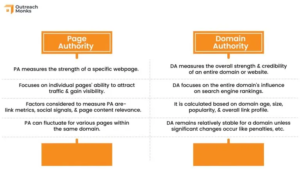
Page-level SEO focuses on the signals that apply to a single webpage. These signals help search engines determine how relevant that specific page is to a particular query.
Page-level optimization includes content depth, topic relevance, keyword alignment, heading structure, internal links pointing to the page, page speed, and on-page user experience. Each page is evaluated independently to decide whether it satisfies the intent behind a search.
For example, a detailed guide answering a specific question may rank well even if the rest of the website is average. This happens because page-level relevance can temporarily outweigh broader site considerations.
However, this visibility is often fragile if not supported by domain-level strength.
How Domain-Level SEO Works
Domain-level SEO evaluates the website as a whole. It looks at patterns rather than individual actions. Search engines assess whether the domain consistently publishes reliable content, maintains topic focus, and provides a stable experience over time.
Signals at this level include topical consistency, historical performance, crawl behavior, content quality patterns, technical stability, and user engagement trends across the entire site. Domain-level SEO answers a different question. It asks whether this website deserves long-term visibility in its chosen subject areas.
While page-level SEO determines where a page might rank, domain-level SEO influences whether that ranking can be trusted and sustained.
Why Search Engines Separate These Two Levels
Search engines aim to balance precision with reliability. Page-level signals provide precision by matching specific content to specific queries. Domain-level signals provide reliability by evaluating the source behind that content.
If search engines relied only on page-level signals, low-quality domains could rank repeatedly by optimizing individual pages. If they relied only on domain-level signals, new or niche content would struggle to appear.
By combining both layers, search systems reduce risk and improve result quality.
Page-Level SEO and Immediate Visibility
Page-level SEO often drives early visibility. When a page is well-structured, clearly written, and closely aligned with user intent, it may rank quickly.
This is common for informational queries where specificity matters. A page that answers a question better than others can outperform stronger domains in the short term.
However, without domain-level reinforcement, this visibility is often temporary. Over time, search systems reassess trust and consistency.
Domain-Level SEO and Long-Term Stability
Domain-level SEO plays a stronger role in long-term performance. Websites with clear identity, consistent publishing patterns, and stable technical signals tend to maintain visibility even as competition increases.
When multiple pages compete for similar queries, domain-level trust often becomes the deciding factor. Search engines favor sources they recognize as dependable.
This is why established domains often recover faster after algorithm updates, even if individual pages fluctuate.
Content Evaluation at Two Different Levels
At the page level, content is evaluated for relevance, clarity, and completeness. At the domain level, content is evaluated for consistency and accuracy across time.
A single high-quality article cannot compensate for a website filled with thin or contradictory content. Conversely, a strong domain can support pages that are still maturing.
This distinction explains why content strategies should focus on coherence, not just performance of isolated pages.
Internal Linking as a Connecting Signal
Internal linking bridges page-level and domain-level SEO. It helps search engines understand how pages relate to each other within the broader site context.
Strong internal links reinforce topical clusters, showing that individual pages support a central theme. This structure strengthens both relevance and trust.
Without internal cohesion, even well-optimized pages may appear disconnected, weakening their long-term value.
Technical SEO Across Both Layers
Some technical elements affect individual pages directly, such as page speed or mobile usability. Others affect the domain as a whole, such as crawl efficiency, indexation patterns, and site architecture.
When technical SEO is inconsistent, domain-level trust suffers. Search engines prefer predictability. A technically stable site supports clearer interpretation at both levels.
This is why technical maintenance is not a one-time task but an ongoing responsibility.
User Behavior Signals and Their Scope
User behavior can reflect both page-level satisfaction and domain-level trust. Time spent on a page indicates whether content met expectations. Repeat visits and multi-page sessions indicate trust in the website overall.
Search systems analyze these patterns collectively. A page that performs well within a poorly performing domain may lose visibility over time.
User satisfaction reinforces trust gradually, supporting domain-level strength.
The Risk of Over-Focusing on Pages Alone
Many businesses optimize pages aggressively without considering the bigger picture. This approach often leads to uneven results.
Pages may rank temporarily but fail to hold positions. New content struggles to gain traction because the domain lacks clear authority signals.
This pattern is common among websites that chase trends instead of building a defined subject focus.
The Risk of Ignoring Page-Level SEO
The opposite mistake also occurs. Some businesses rely entirely on domain reputation while neglecting page-level optimization.
Even trusted domains can lose visibility if individual pages fail to match intent or provide clear answers. Search engines still prioritize relevance.
Strong domains amplify good pages, but they cannot rescue poorly structured or unfocused content.
Aligning Page-Level and Domain-Level SEO
Define Core Topics
Defining core topics is the foundation of strong domain identity. A website should clearly identify the main subject areas it wants to be known for and ensure that all content supports those themes. When pages consistently address related questions and ideas, search engines can easily associate the domain with specific areas of expertise. This clarity prevents topical dilution and helps individual pages reinforce the overall purpose of the website. Over time, a well-defined topical scope strengthens both relevance and long-term trust.
Maintain Consistent Quality
Consistent quality across all pages is essential for shaping how a domain is perceived. Each page contributes to the overall impression that search engines form about a website. When content quality varies significantly, it creates uncertainty and weakens domain-level signals. Maintaining accuracy, clarity, and usefulness on every page ensures that trust is built gradually. Consistency in quality also improves user satisfaction, which further supports positive long-term evaluation.
Build Logical Content Relationships
Logical relationships between content pieces help search engines understand how pages support one another. Interlinked articles that explore different aspects of the same topic create a clear knowledge structure. This interconnected approach allows algorithms to interpret which pages serve as core resources and which ones provide supporting depth. Strong content relationships improve navigation for users and reinforce topical authority at the domain level.
Monitor Performance Holistically
Monitoring performance holistically means looking beyond individual keyword rankings or isolated page metrics. While page-level data is useful, domain-level trends provide deeper insight into long-term health. Observing patterns such as overall visibility, impression stability, and topic coverage helps identify whether growth is sustainable. This broader perspective allows businesses to adjust strategies based on trust and consistency rather than short-term fluctuations.
Competitive Perspective
In competitive environments, page-level SEO often determines entry into search results, while domain-level SEO determines staying power.
Many discussions among Best Digital Marketing Agencies in USA emphasize that long-term success depends on balancing both layers rather than prioritizing one.
Businesses that understand this balance are less affected by volatility and more resilient during algorithm changes.
Measuring Success Correctly
Page-level success can be measured through query-specific rankings and engagement. Domain-level success appears through stable impressions, expanding topic coverage, and consistent performance over time.
Focusing only on page metrics can hide deeper issues. A broader view reveals whether growth is sustainable.
Why This Difference Matters for Strategy
Understanding the difference between page-level and domain-level SEO shapes smarter strategies. It prevents short-term thinking and encourages consistency.
When both layers support each other, growth becomes predictable rather than reactive. This alignment reduces dependency on constant optimization cycles.
Conclusion
The difference between page-level and domain-level SEO lies in scope, purpose, and time horizon. Page-level SEO determines how well individual pages match specific queries. Domain-level SEO determines whether a website is trusted to deliver value consistently. Sustainable search performance depends on aligning both. When pages reinforce domain identity and domains support page relevance, visibility becomes stable, scalable, and resilient.
FAQs
What is page-level SEO in simple terms?
Page-level SEO refers to optimization efforts applied to an individual webpage. It focuses on how well that specific page matches a user’s search intent through content relevance, structure, internal links, and usability. Its primary role is to help a page appear for particular queries.
What does domain-level SEO focus on?
Domain-level SEO evaluates the website as a whole. It looks at long-term patterns such as topical consistency, overall content quality, technical stability, and user trust. These signals help search engines decide whether the entire domain deserves sustained visibility.
Can a single page rank well on a weak domain?
Yes, a well-optimized page can rank temporarily even if the domain is weak. However, without domain-level trust and consistency, such rankings are often unstable and may decline as search engines reassess reliability.
Why do strong domains recover faster after algorithm updates?
Strong domains have established trust signals built over time. When updates occur, search engines tend to re-evaluate rather than remove trusted sources completely, allowing them to regain visibility faster than weaker domains.
Is domain-level SEO more important than page-level SEO?
Neither is more important on its own. Page-level SEO drives relevance for specific queries, while domain-level SEO supports long-term stability. Sustainable performance requires both to work together.
How does internal linking connect page-level and domain-level SEO?
Internal linking helps search engines understand how individual pages support broader site topics. It strengthens page relevance while reinforcing domain-wide topical authority and structure.
Do technical issues affect page-level and domain-level SEO differently?
Yes. Some technical issues impact individual pages directly, such as slow load speed. Others, like crawl inefficiency or poor architecture, affect the entire domain by reducing overall reliability and trust.
How does content consistency influence domain-level SEO?
Consistent content reinforces clear topical focus. When a domain repeatedly publishes aligned, accurate information, search engines gain confidence in its expertise, strengthening domain-level trust signals.
Can domain-level SEO help new pages rank faster?
Yes. A trusted domain often helps new pages get indexed and evaluated more quickly. Search engines are more willing to test visibility for new content from reliable sources.
How should businesses measure domain-level SEO success?
Domain-level success is reflected in stable impressions, expanding keyword coverage, resilience during updates, and consistent performance over time. These signals matter more than short-term ranking changes.