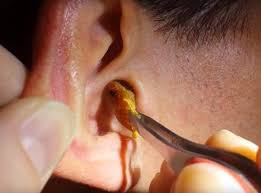

When we think about personal hygiene, brushing teeth, washing hands, and bathing usually come to mind—but ear care is often overlooked. Maintaining proper ear hygiene is not just about preventing wax buildup or avoiding ear infections; it also plays a vital role in overall wellness. Our ears are complex organs responsible for hearing, balance, and even contributing to cognitive health. Neglecting them can lead to discomfort, infections, or long-term health issues.
Understanding the link between ear hygiene and overall wellness helps individuals appreciate why routine ear care should be part of a holistic health routine.
Why Ear Hygiene Matters
The ear is divided into three main parts: the outer ear, middle ear, and inner ear. Each section plays a unique role in hearing and balance. The outer ear contains ceruminous glands that produce earwax (cerumen), which naturally protects the ear canal by trapping dust, debris, and microorganisms.
While earwax serves a protective function, excessive buildup can cause hearing difficulties, dizziness, or earache. Poor ear hygiene can also increase the risk of bacterial or fungal infections. In children, improper ear care may contribute to recurrent ear infections, which can affect speech development and learning.
Beyond the physical ear, ear health is closely tied to overall well-being. Ear infections or chronic problems can cause discomfort, sleep disturbances, and even stress. Maintaining ear hygiene can support better quality of life and prevent complications that might impact other systems.
Common Ear Hygiene Mistakes
Many people unintentionally harm their ears through improper hygiene habits. Common mistakes include:
-
Using cotton swabs incorrectly – Inserting cotton swabs deep into the ear canal can push wax further inside, leading to impaction, damage to the eardrum, or even hearing loss.
-
Ignoring persistent discomfort or drainage – Pain, unusual discharge, or ringing in the ears should not be ignored. These symptoms could indicate infection or other underlying issues.
-
Excessive cleaning – Over-cleaning the ears can strip away protective wax, leaving the ear canal vulnerable to irritation or infection.
-
Using unapproved cleaning solutions – Home remedies such as hydrogen peroxide or oils used incorrectly can cause burns, allergic reactions, or further wax impaction.
Safe Practices for Ear Hygiene
Proper ear hygiene balances cleaning with the ear’s natural protective mechanisms. Safe practices include:
-
Cleaning the outer ear only – Use a damp cloth to gently clean the visible outer ear and behind the ears.
-
Allowing natural wax removal – Earwax naturally moves outward; wiping the outer ear is often sufficient for most adults.
-
Using ear drops when recommended – Over-the-counter drops for softening wax can help remove excess buildup, but they should be used according to instructions.
-
Seeking professional care – If wax becomes impacted or symptoms persist, a healthcare audiologist Charlotte NC can safely remove it using specialized tools.
Ear Hygiene and Hearing Health
Maintaining ear hygiene directly supports hearing health. Excessive wax buildup can muffle sound and contribute to hearing loss, while untreated infections can damage the auditory system. Regular checkups with an audiologist or ENT specialist can detect early signs of hearing issues and prevent long-term damage.
Hearing health also impacts mental and cognitive wellness. Studies show that untreated hearing loss is linked to social isolation, depression, and even cognitive decline in older adults. By maintaining clean, healthy ears, individuals not only preserve their ability to hear but also support brain health and social engagement.
The Balance Connection
Our inner ears house the vestibular system, which helps maintain balance and spatial orientation. Infections, wax impaction, or other ear problems can disrupt this system, leading to dizziness or vertigo. Maintaining proper ear care reduces the likelihood of these disturbances and helps prevent falls or accidents, particularly in older adults.
Ear Hygiene and Overall Wellness
Ear hygiene is more than preventing infections—it contributes to overall physical, emotional, and social well-being. Healthy ears reduce the risk of:
-
Infections – Bacterial or fungal infections can lead to pain, fever, and temporary hearing loss.
-
Hearing impairment – Clean, well-maintained ears improve hearing clarity and prevent long-term damage from untreated issues.
-
Balance problems – Protecting the inner ear supports stability and mobility.
-
Stress and fatigue – Ear discomfort, ringing, or infections can interfere with sleep and daily activities, affecting mood and productivity.
Moreover, ear health can be a window into broader medical conditions. Persistent ear pain, ringing, or balance issues may indicate underlying health concerns such as diabetes, cardiovascular problems, or neurological conditions. Therefore, attentive ear hygiene and regular checkups play a role in preventive health care.
Tips for Families and Children
Children are particularly prone to ear infections due to shorter Eustachian tubes and developing immune systems. Families can promote ear health by:
-
Teaching children not to insert objects into their ears.
-
Wiping the outer ear after baths or swimming.
-
Drying ears thoroughly after water exposure to prevent swimmer’s ear.
-
Seeking timely medical care for ear pain, fever, or drainage.
Starting good ear hygiene habits early helps children maintain healthy hearing and reduces the likelihood of recurrent infections, supporting their growth, learning, and overall wellness.
When to See a Healthcare Professional
While regular cleaning and preventive care help maintain ear health, certain symptoms warrant professional attention:
-
Persistent ear pain or pressure
-
Drainage or foul odor from the ear
-
Sudden hearing loss or ringing (tinnitus)
-
Dizziness or balance problems
-
Recurrent infections
ENT specialists can diagnose underlying conditions, safely remove wax buildup, and recommend treatments tailored to individual needs.
Conclusion
Ear hygiene is an essential, yet often overlooked, component of overall wellness. Proper care supports hearing, balance, and comfort, while reducing the risk of infection and long-term complications. From babies to older adults, maintaining healthy ears benefits every stage of life and contributes to physical, mental, and social well-being.
By practicing safe ear cleaning, monitoring for symptoms, and seeking professional guidance when needed, individuals and families can protect one of the body’s most vital sensory organs. Healthy ears lead to better hearing, improved balance, and a stronger connection to overall health—showing that small daily habits truly make a big difference.