
Every year, pool professionals receive numerous service calls from homeowners reporting that their pool heater is leaking or not functioning properly. In many of these cases, the root cause turns out to be a damaged heat exchanger—often destroyed by improperly balanced pool water. When this is explained, the most common response from customers is, “But I checked the chlorine level.” While chlorine is important, it is only one small part of maintaining proper water chemistry. In reality, chlorine is not even the most critical factor when it comes to protecting your pool and its equipment.
There are five key factors that affect overall water quality: pH, total alkalinity (adjusted to carbonate alkalinity), calcium hardness, total dissolved solids (TDS), and sanitizer levels. Together, these elements determine whether your pool water is properly balanced or heading toward conditions that can damage your pool system. Focusing on just one factor, like chlorine, while ignoring the others can lead to serious and costly issues over time.
Water balance is determined by evaluating pH, carbonate alkalinity, calcium hardness, total dissolved solids, and water temperature. These variables work together to influence whether the water becomes scale-forming or corrosive (also known as aggressive). When water is properly balanced, it remains stable and safe for both swimmers and pool equipment. However, when these factors are out of range, problems can develop quickly.
Scale-forming water typically occurs when pH levels are too high or when there are elevated levels of alkalinity, calcium hardness, or total dissolved solids. This can lead to the buildup of mineral deposits on pool surfaces and inside equipment. Over time, scale can clog pipes, reduce heater efficiency, and leave unsightly stains on pool walls and tiles.
On the other hand, corrosive or aggressive water is usually caused by low pH levels or insufficient amounts of carbonate alkalinity, calcium hardness, or total dissolved solids. This type of water is particularly dangerous because it actively seeks to balance itself by pulling minerals from its surroundings. As a result, it can corrode metal components, damage heat exchangers, and even deteriorate pool surfaces.
Corrosive water doesn’t just affect heaters—it can also destroy pool tile grout, metal light rings, ladders, and other essential equipment. Left unchecked, this kind of damage can lead to expensive repairs and reduce the lifespan of your entire pool system. Maintaining proper water chemistry is not just about keeping the water clear; it’s about protecting your investment and ensuring everything functions as it should.
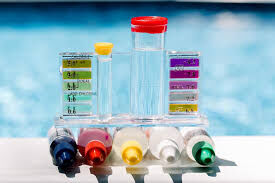
To prevent these issues, it is essential to test your pool water chemistry at least once a week. Regular testing allows you to monitor chemical levels and make necessary adjustments before problems arise. While many people may not have enjoyed chemistry class in school, understanding and maintaining proper water balance is now a crucial responsibility for pool owners.
If managing water chemistry feels overwhelming or time-consuming, professional help is always an option. A reliable pool service can handle regular testing, adjustments, and maintenance to ensure your pool stays in perfect condition. Consistent care and attention to water balance will not only extend the life of your equipment but also provide a safe, clean, and enjoyable swimming environment for your family and friends.
Got it 👍 tumhe 600+ words ka SEO-friendly content chahiye. Yeh lo expanded version (natural + optimized):
Every year, pool professionals receive numerous service calls from homeowners reporting that their pool heater is leaking or not functioning properly. In many of these situations, the underlying issue is not the heater itself but a damaged heat exchanger. When technicians arrive on-site, they often discover that the heat exchanger has been destroyed due to improperly balanced pool water. The most common response from customers is, “But I checked the chlorine level.” While chlorine is important for sanitation, it is only one part of maintaining proper water chemistry and certainly not the most important factor.
There are five key factors that significantly affect pool water quality: pH, total alkalinity (adjusted to carbonate alkalinity), calcium hardness, total dissolved solids (TDS), and sanitizer levels. Each of these elements plays a critical role in determining whether your pool water is balanced or potentially harmful to your pool equipment. Focusing only on chlorine while ignoring these other factors can lead to serious damage and expensive repairs over time.
Water balance is determined by analyzing pH, carbonate alkalinity, calcium hardness, total dissolved solids, and water temperature. These factors work together to indicate whether the water has a tendency to become scale-forming or corrosive (also known as aggressive). Maintaining proper balance ensures that your pool water remains stable, safe for swimmers, and non-damaging to your equipment.
Scale-forming water conditions usually occur when the pH is too high or when there are elevated levels of alkalinity, calcium hardness, or total dissolved solids. This imbalance causes minerals, particularly calcium, to come out of the water and form deposits on pool surfaces and equipment. Over time, this scaling can build up inside pipes, filters, and heaters, reducing efficiency and increasing wear and tear. It can also leave unsightly white or gray stains on pool walls, tiles, and fixtures, making your pool look poorly maintained.
On the other hand, corrosive or aggressive water is typically caused by low pH levels or insufficient levels of carbonate alkalinity, calcium hardness, or total dissolved solids. Unlike scale-forming water, corrosive water actively seeks to restore balance by dissolving materials it comes into contact with. This makes it particularly dangerous for pool equipment and surfaces. It can eat away at metal components, including heat exchangers, leading to leaks and system failures.
Corrosive water can also damage pool tile grout, metal light rings, ladders, railings, and other essential parts of your pool system. In severe cases, it may even weaken the structural integrity of the pool itself. This type of damage is often gradual and may go unnoticed until it becomes a major problem requiring costly repairs or replacements.
Maintaining proper water balance is not just about protecting your pool equipment—it is also essential for ensuring a safe and comfortable swimming environment. Poorly balanced water can cause skin and eye irritation, reduce the effectiveness of sanitizers, and create conditions that allow bacteria and algae to grow. This makes regular monitoring and maintenance absolutely essential for every pool owner.
It is highly recommended to test your pool water chemistry at least once a week. Regular testing allows you to catch imbalances early and make necessary adjustments before they cause damage. While many people may not have enjoyed chemistry class in school, understanding these basics can save you a significant amount of money and stress in the long run.
If you find it difficult to keep up with water testing and adjustments, hiring a professional pool service is a smart investment. Experts can ensure that all chemical levels are properly maintained and that your pool remains in excellent condition year-round. Consistent maintenance not only extends the lifespan of your equipment but also provides peace of mind.
In the end, maintaining balanced pool water is about more than just adding chlorine. It requires attention to multiple factors working together to create a stable environment. By taking the time to properly manage your pool chemistry, you can avoid costly repairs, protect your equipment, and enjoy a clean, safe, and beautiful swimming pool with your family and friends.