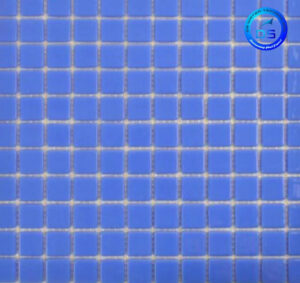

Swimming pool tiles play an important role in the appearance, durability, and maintenance of a swimming pool. From private residential pools to hotels, resorts, clubs, and commercial aquatic facilities, the right tiles can improve the overall finish while supporting long-term performance. When selecting swimming pool tiles, it is important to consider the material, water exposure, installation quality, cleaning requirements, and suitability for the intended application.
DS Water Technology provides swimming pool products and solutions for pool construction, renovation, and maintenance projects. Understanding the available tile options can help pool owners, contractors, and designers make informed decisions based on their project requirements.
Why Are Swimming Pool Tiles Important?
Pool tiles are used to finish selected interior surfaces, waterlines, steps, and decorative features. They contribute to the pool’s visual appeal and help create a finished surface that is easier to clean when properly installed and maintained.
The right tiles can offer several advantages:
- Visual appeal: Available colours, patterns, and finishes help create different pool designs.
- Water resistance: Suitable pool tile materials can withstand continuous exposure to water when installed with compatible adhesives and grouting systems.
- Durability: Tiles selected for swimming pool applications can provide long-lasting surface finishes.
- Maintenance: Smooth, properly installed tile surfaces are generally easier to clean than some porous finishes.
- Design flexibility: Different shapes, sizes, and colours allow customised designs for residential and commercial pools.
However, tile performance also depends on substrate preparation, waterproofing, installation methods, and routine maintenance.
Types of Swimming Pool Tiles
Choosing the appropriate material depends on the pool design, budget, and expected usage.
1. Glass Mosaic Tiles
Glass mosaic tiles are popular for decorative pool interiors because they are available in various colours and patterns. They can create reflective effects as light interacts with the water. These tiles are often used in residential pools, luxury properties, hotels, and decorative water features.
2. Ceramic and Porcelain Tiles
Ceramic and porcelain tiles designed for swimming pool use offer a range of finishes and colours. Porcelain options are often selected for their low water absorption and durability. Before installation, confirm that the particular product is rated for the intended pool application.
3. Decorative Pool Tiles
Decorative tiles can enhance pool borders, waterlines, steps, and feature walls. They help establish a consistent design across the pool area. When selecting tiles for steps or walking surfaces, check slip resistance and suitability for wet conditions rather than assuming every pool tile provides a safe grip.
How to Choose Swimming Pool Tiles for Your Project
Selecting tiles involves more than comparing colours or prices. Pool owners and contractors should evaluate the technical requirements of the project before purchasing materials.
Consider the following factors:
- Application: Determine whether the tiles will be installed underwater, along the waterline, on steps, or around the pool deck.
- Water absorption: Select products suitable for their intended exposure to water and pool chemicals.
- Chemical compatibility: Ensure the tile, adhesive, grout, and installation system can tolerate the expected pool-water conditions.
- Slip resistance: Choose appropriate finishes for steps, surrounding walkways, and other areas where people may walk barefoot.
- Installation quality: Use compatible waterproofing, adhesive, and grout systems recommended for swimming pool applications.
- Maintenance requirements: Consider how easily the finish can be cleaned and how frequently grout joints may need inspection.
For commercial pools, hotels, resorts, and public facilities, durability and ease of maintenance are particularly important because these installations may experience frequent use.
Maintenance Tips for Long-Lasting Pool Tiles
Regular maintenance helps preserve the appearance of tiled pool surfaces and identify potential problems early.
- Clean tiles periodically using products suitable for the tile and grout materials.
- Inspect grout joints for cracks, deterioration, or missing sections.
- Remove deposits using appropriate cleaning methods that will not damage the finish.
- Maintain balanced pool water according to recommended water-treatment guidelines.
- Investigate loose or cracked tiles promptly to determine whether repairs are required.
- Avoid harsh cleaning chemicals unless they are confirmed to be compatible with the tile, grout, and surrounding materials.
Proper water chemistry and timely repairs can help reduce avoidable deterioration and maintain the pool’s overall condition.
Swimming Pool Tiles for Residential and Commercial Applications
Swimming pool tiles are suitable for a variety of projects, including private homes, hotels, resorts, fitness clubs, apartment complexes, educational institutions, and public swimming facilities. They can also be incorporated into fountains and selected decorative water features when the materials are suitable for the application.
DS Water Technology supports swimming pool projects with relevant pool products and equipment. Customers planning a new pool or renovation can review their design, surface requirements, maintenance expectations, and material specifications before choosing suitable tiles.
Conclusion
Choosing the right swimming pool tiles helps create an attractive, durable, and maintainable pool finish. Material suitability, water exposure, installation quality, slip resistance, and cleaning requirements should all be considered before making a decision. DS Water Technology provides swimming pool products and solutions for residential and commercial pool projects, helping customers explore options according to their requirements.
FAQs
- Which tiles are suitable for swimming pools?
Glass mosaic, ceramic, and porcelain tiles designed for swimming pool applications are common options. The right choice depends on water absorption, chemical compatibility, durability, and the intended installation area.
- Are swimming pool tiles easy to maintain?
Properly installed tiles are generally straightforward to clean. Regular cleaning, grout inspections, and balanced pool water help maintain their appearance and condition.
- Can swimming pool tiles withstand pool chemicals?
Suitable pool tiles are designed for their intended environment, but the adhesive and grout must also be compatible with pool chemicals and water conditions. Always follow the manufacturer’s specifications.
- Can the same tiles be used inside the pool and around the deck?
Not necessarily. Underwater surfaces and walking areas have different requirements. Pool deck tiles should be selected specifically for outdoor exposure, wet conditions, and appropriate slip resistance.
- What should I check before buying swimming pool tiles?
Review the tile material, water absorption, intended application, chemical compatibility, surface finish, installation requirements, maintenance needs, and overall project budget.