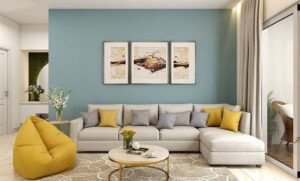

Sustainability is becoming increasingly important in modern interior design. Homeowners and businesses are looking for ways to create attractive interiors while making more responsible choices about materials, energy consumption, furniture, and waste.
Choosing Sustainable Materials
Materials have a significant impact on the environmental footprint of an interior. Designers can consider responsibly sourced wood, natural stone, recycled materials, low-impact finishes, and durable products.
Choosing long-lasting materials can also reduce the need for frequent replacement. Instead of following short-term trends, homeowners can invest in timeless designs that remain functional and attractive for longer.
Energy-Efficient Lighting
Lighting is another important part of sustainable interiors. Energy-efficient lighting solutions can reduce electricity consumption while providing effective illumination.
LED lighting is widely used in modern interiors because it can provide different levels of brightness and color temperatures. Smart lighting systems can also help users control lighting according to occupancy and daily routines.
Sustainable Furniture Choices
Furniture should be selected with durability and long-term usability in mind. High-quality furniture that lasts longer can reduce unnecessary consumption and replacement.
Reusing, restoring, or upcycling existing furniture can also add character to an interior. An old wooden table, chair, or cabinet may be refinished and incorporated into a contemporary design rather than being discarded.
Bringing Nature Indoors
Plants can enhance the appearance and atmosphere of an interior while creating a stronger connection with nature. Indoor plants can be incorporated into living rooms, offices, bedrooms, kitchens, and commercial spaces.
Natural materials, earthy colors, daylight, and greenery can create interiors that feel calm and comfortable.
Designing for Long-Term Value
Sustainable interior design is not simply about choosing environmentally friendly products. It is also about designing spaces that remain useful for many years.
Flexible layouts, timeless colors, durable materials, and adaptable furniture allow interiors to evolve with changing needs without requiring complete renovations.
Conclusion
Sustainable interior design combines beauty, functionality, durability, and responsible material choices. By selecting durable products, improving energy efficiency, reusing furniture, incorporating natural elements, and planning for long-term use, homeowners and businesses can create interiors that are both attractive and more environmentally responsible.
Sustainability is becoming increasingly important in modern interior design. Homeowners and businesses are looking for ways to create attractive interiors while making more responsible choices about materials, energy consumption, furniture, and waste.
Choosing Sustainable Materials
Materials have a significant impact on the environmental footprint of an interior. Designers can consider responsibly sourced wood, natural stone, recycled materials, low-impact finishes, and durable products.
Choosing long-lasting materials can also reduce the need for frequent replacement. Instead of following short-term trends, homeowners can invest in timeless designs that remain functional and attractive for longer.
Energy-Efficient Lighting
Lighting is another important part of sustainable interiors. Energy-efficient lighting solutions can reduce electricity consumption while providing effective illumination.
LED lighting is widely used in modern interiors because it can provide different levels of brightness and color temperatures. Smart lighting systems can also help users control lighting according to occupancy and daily routines.
Sustainable Furniture Choices
Furniture should be selected with durability and long-term usability in mind. High-quality furniture that lasts longer can reduce unnecessary consumption and replacement.
Reusing, restoring, or upcycling existing furniture can also add character to an interior. An old wooden table, chair, or cabinet may be refinished and incorporated into a contemporary design rather than being discarded.
Bringing Nature Indoors
Plants can enhance the appearance and atmosphere of an interior while creating a stronger connection with nature. Indoor plants can be incorporated into living rooms, offices, bedrooms, kitchens, and commercial spaces.
Natural materials, earthy colors, daylight, and greenery can create interiors that feel calm and comfortable.
Designing for Long-Term Value
Sustainable interior design is not simply about choosing environmentally friendly products. It is also about designing spaces that remain useful for many years.
Flexible layouts, timeless colors, durable materials, and adaptable furniture allow interiors to evolve with changing needs without requiring complete renovations.
Conclusion
Sustainable interior design combines beauty, functionality, durability, and responsible material choices. By selecting durable products, improving energy efficiency, reusing furniture, incorporating natural elements, and planning for long-term use, homeowners and businesses can create interiors that are both attractive and more environmentally responsible.
Sustainability is becoming increasingly important in modern interior design. Homeowners and businesses are looking for ways to create attractive interiors while making more responsible choices about materials, energy consumption, furniture, and waste.
Choosing Sustainable Materials
Materials have a significant impact on the environmental footprint of an interior. Designers can consider responsibly sourced wood, natural stone, recycled materials, low-impact finishes, and durable products.
Choosing long-lasting materials can also reduce the need for frequent replacement. Instead of following short-term trends, homeowners can invest in timeless designs that remain functional and attractive for longer.
Energy-Efficient Lighting
Lighting is another important part of sustainable interiors. Energy-efficient lighting solutions can reduce electricity consumption while providing effective illumination.
LED lighting is widely used in modern interiors because it can provide different levels of brightness and color temperatures. Smart lighting systems can also help users control lighting according to occupancy and daily routines.
Sustainable Furniture Choices
Furniture should be selected with durability and long-term usability in mind. High-quality furniture that lasts longer can reduce unnecessary consumption and replacement.
Reusing, restoring, or upcycling existing furniture can also add character to an interior. An old wooden table, chair, or cabinet may be refinished and incorporated into a contemporary design rather than being discarded.
Bringing Nature Indoors
Plants can enhance the appearance and atmosphere of an interior while creating a stronger connection with nature. Indoor plants can be incorporated into living rooms, offices, bedrooms, kitchens, and commercial spaces.
Natural materials, earthy colors, daylight, and greenery can create interiors that feel calm and comfortable.
Designing for Long-Term Value
Sustainable interior design is not simply about choosing environmentally friendly products. It is also about designing spaces that remain useful for many years.
Flexible layouts, timeless colors, durable materials, and adaptable furniture allow interiors to evolve with changing needs without requiring complete renovations.
Conclusion
Sustainable interior design combines beauty, functionality, durability, and responsible material choices. By selecting durable products, improving energy efficiency, reusing furniture, incorporating natural elements, and planning for long-term use, homeowners and businesses can create interiors that are both attractive and more environmentally responsible.
Sustainability is becoming increasingly important in modern interior design. Homeowners and businesses are looking for ways to create attractive interiors while making more responsible choices about materials, energy consumption, furniture, and waste.
Choosing Sustainable Materials
Materials have a significant impact on the environmental footprint of an interior. Designers can consider responsibly sourced wood, natural stone, recycled materials, low-impact finishes, and durable products.
Choosing long-lasting materials can also reduce the need for frequent replacement. Instead of following short-term trends, homeowners can invest in timeless designs that remain functional and attractive for longer.
Energy-Efficient Lighting
Lighting is another important part of sustainable interiors. Energy-efficient lighting solutions can reduce electricity consumption while providing effective illumination.
LED lighting is widely used in modern interiors because it can provide different levels of brightness and color temperatures. Smart lighting systems can also help users control lighting according to occupancy and daily routines.
Sustainable Furniture Choices
Furniture should be selected with durability and long-term usability in mind. High-quality furniture that lasts longer can reduce unnecessary consumption and replacement.
Reusing, restoring, or upcycling existing furniture can also add character to an interior. An old wooden table, chair, or cabinet may be refinished and incorporated into a contemporary design rather than being discarded.
Bringing Nature Indoors
Plants can enhance the appearance and atmosphere of an interior while creating a stronger connection with nature. Indoor plants can be incorporated into living rooms, offices, bedrooms, kitchens, and commercial spaces.
Natural materials, earthy colors, daylight, and greenery can create interiors that feel calm and comfortable.
Designing for Long-Term Value
Sustainable interior design is not simply about choosing environmentally friendly products. It is also about designing spaces that remain useful for many years.
Flexible layouts, timeless colors, durable materials, and adaptable furniture allow interiors to evolve with changing needs without requiring complete renovations.
Conclusion
Sustainable interior design combines beauty, functionality, durability, and responsible material choices. By selecting durable products, improving energy efficiency, reusing furniture, incorporating natural elements, and planning for long-term use, homeowners and businesses can create interiors that are both attractive and more environmentally responsible.