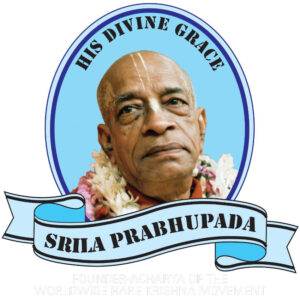

When the world was fast embracing materialism and modern progress in the 20th century, His Divine Grace A.C. Bhaktivedanta Swami Srila Prabhupada introduced a refreshing spiritual revolution, the Hare Krishna Movement, formally known as the International Society for Krishna Consciousness (ISKCON). His teachings not only revived ancient Vedic wisdom but also presented it in a modern, practical, and universal manner.
Through his innovative approach, Srila Prabhupada connected people across cultures, religions, and generations, reminding humanity that true happiness lies not in possessions or power, but in devotion, service, and divine love.
1. Simplifying the Path to God: The Power of the Holy Name
Srila Prabhupada’s core teaching was beautifully simple:
- Chant the Holy Name and be happy.
He taught that in this age of stress and confusion (Kali Yuga), the easiest way to connect with God is through the chanting of the Hare Krishna Maha-Mantra:
“Hare Krishna Hare Krishna, Krishna Hare Hare
Hare Rama Hare Rama, Rama Hare Hare”
This mantra, he explained, purifies the heart, uplifts consciousness, and reveals one’s eternal relationship with Krishna. Unlike elaborate rituals, this practice required no special qualifications, just sincerity. Through public kirtans, Srila Prabhupada made spiritual practice accessible to everyone, from students in New York to farmers in India.
2. Living Spirituality: Balancing Devotion and Duty
Srila Prabhupada’s teachings stood out because they were practical and relevant to daily life. He never advocated escaping from responsibilities; instead, he emphasized performing one’s duties in a spirit of devotion.
He explained that true spirituality does not mean renouncing the world, but living in it with Krishna-centered consciousness. Whether one is a teacher, parent, artist, or businessperson, every action can become an offering to Krishna when done with sincerity and gratitude.
This simple yet profound message made Krishna consciousness relatable to everyone, regardless of background, occupation, or culture.
3. Compassion as the Heart of Devotion
For Srila Prabhupada, real devotion meant serving others selflessly. He believed that love for God must naturally express itself as compassion for all living beings.
Two of ISKCON’s major humanitarian missions reflect this vision:
- Annadhanam (Food for Life): Distributing sanctified vegetarian meals (prasadam) to the needy, ensuring no one goes hungry.
- Gau Seva (Cow Protection): Promoting the sacred duty of protecting cows, who are seen as mothers in Vedic culture.
Through these initiatives, Srila Prabhupada transformed ancient values into powerful movements of social welfare. His philosophy of “simple living and high thinking” continues to inspire sustainable and compassionate living worldwide.
4. Reviving Vedic Knowledge for a Modern World
Srila Prabhupada was not only a spiritual leader but also a scholar and translator who brought the essence of India’s ancient scriptures to the global stage.
His English translations of the Bhagavad-gita As It Is, Srimad Bhagavatam, and Caitanya-caritamrta are now studied in universities and libraries around the world. These works present profound spiritual truths in clear, logical, and universal terms.
By bridging ancient philosophy with modern thought, Srila Prabhupada showed that the Vedic message is timeless and deeply relevant to today’s world of anxiety and confusion.
5. The Vision of a Global Spiritual Family
Perhaps Srila Prabhupada’s most revolutionary idea was that the whole world is one spiritual family, Vasudhaiva Kutumbakam. He saw beyond national, racial, and religious boundaries, uniting people through the common goal of serving Krishna and living in harmony.
Under his guidance, ISKCON grew from a small storefront temple in New York in 1966 to thousands of centers across continents. Today, the Hare Krishna Movement continues to inspire millions of devotees who live by principles of purity, peace, and compassion.
Srila Prabhupada’s vision of “spiritual globalization” brought Vedic culture to every corner of the world, proving that Krishna consciousness transcends all barriers.
6. Innovation Rooted in Tradition
While firmly grounded in the teachings of Lord Chaitanya and the Vaishnava tradition, Srila Prabhupada’s approach was highly innovative. He used modern tools, printing presses, music, film, and education– to spread Krishna’s message.
He founded the Bhaktivedanta Book Trust (BBT), the world’s largest publisher of Vedic literature, and inspired the creation of ISKCON farms, schools, and temples worldwide. These institutions continue to nurture spiritual learning, vegetarianism, environmental care, and holistic living.
In essence, Srila Prabhupada modernized the timeless, making spirituality both accessible and sustainable in the modern age.
7. A Legacy of Joy and Service
What truly sets the Hare Krishna Movement apart is its atmosphere of joyful devotion. Festivals, music, art, and community service all flow from the same source, love for Krishna.
From the Ratha Yatra festivals that fill streets with singing and dancing to prasadam feasts shared freely with the public, every act reflects Srila Prabhupada’s belief that spiritual life should be filled with happiness, harmony, and celebration.
Even today, devotees worldwide carry this message forward, offering the world a living example of spiritual joy in action.
Conclusion: The Timeless Message for Modern Humanity
Srila Prabhupada’s teachings remind us that spirituality is not a distant ideal, it’s a practical, joyful, and transformative way of life.
His innovative presentation of ancient wisdom reshaped global understanding of Indian philosophy and awakened countless hearts to the beauty of devotion. Through his movement, Srila Prabhupada created not just followers, but a global family united by love, humility, and service.
As the chanting of the Hare Krishna Maha-mantra continues to echo across the world, Srila Prabhupada’s vision shines brighter than ever, proving that the true essence of life lies in serving God and uplifting humanity.