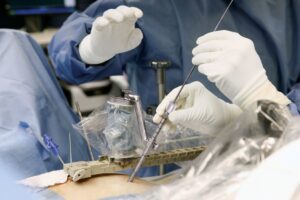

Spine surgery is one of the most significant medical decisions a person can make, and yet the period after the operation often catches patients completely off guard. Most people spend months researching surgeons and procedures but very little time preparing for recovery. The result? Anxiety, unrealistic expectations, and sometimes choices that slow healing down. Whether you are recovering from a discectomy, spinal fusion, or a minimally invasive decompression, the journey back to full function follows a fairly predictable arc – even if it does not always feel that way in the middle of it. This article walks you through what the recovery timeline actually looks like, clears up some stubborn myths, and offers practical aftercare advice that makes a genuine difference.
The Real Recovery Timeline: Week by Week
Recovery from spine surgery does not happen in one dramatic leap. It moves in phases, and understanding those phases removes a great deal of the fear around them.
The First Two Weeks: Rest, Observation and Small Wins
Immediately after surgery, the focus is on managing pain, preventing infection, and getting you safely mobile. Most patients are surprised to learn that their surgeon wants them walking – carefully, with support – within a day or two. Bed rest alone is not the goal. Short, supervised walks reduce the risk of blood clots and keep circulation moving. You will have restrictions on bending, lifting, and twisting, and those must be respected. Fatigue is normal and often heavier than expected. The body has been through considerable trauma and is working hard beneath the surface.
Weeks Three to Six: Gradual Return to Daily Activities
By the third or fourth week, many patients begin light physiotherapy. The exercises are gentle at first – breathing techniques, ankle pumps, controlled walking distances – but they are the foundation of everything that follows. Driving is usually restricted during this phase, as sudden braking can strain the spine. Most people can return to desk work within four to six weeks, depending on the surgery type and individual healing speed. Progress feels slow, and that frustration is completely understandable. Steady, however, is exactly the right pace.
Months Two to Six: Rebuilding Strength
This is when structured physiotherapy becomes more intensive. Core strengthening, posture correction, and gradually increasing activity form the heart of this phase. Swelling around the surgical site continues to reduce, which means nerve symptoms – tingling, numbness, mild pain – can actually fluctuate before they settle. This surprises many patients who expected a straight line to improvement. It is not a setback; it is biology doing its work.
Common Myths About Spine Surgery Recovery
Misinformation around spine surgery recovery is widespread and sometimes genuinely harmful. Here are the ones that come up most often.
Myth: Complete Bed Rest Speeds Up Healing
This is perhaps the most persistent and damaging misconception. Extended bed rest causes muscle weakness, increases stiffness, and raises the risk of complications like deep vein thrombosis. Modern spine surgery protocols emphasise early, graduated movement. If your surgeon has cleared you to walk, do it – consistently and carefully.
Myth: If the Pain Returns, the Surgery Has Failed
Pain during recovery is not evidence of surgical failure. Nerves that have been compressed for years take time to heal, and they do not follow a neat schedule. Temporary flare-ups during physiotherapy, or after a slightly more active day, are part of the process. Genuine red flags – fever, sudden weakness, loss of bladder or bowel control – require immediate medical attention. Ordinary aches during healing do not.
Myth: You Will Need a Second Surgery Eventually
Some patients approach recovery with a kind of fatalism, assuming the spine will simply deteriorate again. While adjacent segment disease is a real consideration after spinal fusion, the majority of patients who follow aftercare protocols and maintain a healthy lifestyle do not need revision surgery. Outcome depends heavily on what happens after the operation, not just during it.
Aftercare That Actually Makes a Difference
Good aftercare is not complicated, but it does require consistency. The habits you build in the months following surgery set the trajectory for the years ahead.
Physiotherapy: Non-Negotiable, Not Optional
A skilled physiotherapist, working in coordination with your spine specialist, is your most valuable recovery partner. Skipping sessions because you feel better is one of the most common mistakes patients make. The exercises are not just about reducing pain in the short term – they are rebuilding the muscular architecture that protects your spine.
Many clinics offering Spine Care and Surgery in Nagpur now integrate physiotherapy into the post-operative plan from day one, which reflects how seriously the medical community takes this piece of recovery.
Posture, Sleep Position and Ergonomics
How you sit, sleep, and move during recovery matters enormously. Sleeping on your back with a pillow under your knees, or on your side with a pillow between your legs, reduces strain on the surgical site. At work, a chair that supports the lumbar curve and a monitor at eye level prevent you from unconsciously hunching. These are not glamorous interventions, but they protect the surgical repair while your body heals around it.
Long-Term Spine Maintenance After Surgery
Recovery does not end when physiotherapy stops. The spine needs ongoing care to remain healthy, and the lifestyle adjustments made during recovery should largely become permanent habits.
Weight management is significant – every kilogram of excess body weight adds disproportionate load to the lumbar spine. Low-impact exercise, particularly swimming and walking, keeps the supporting muscles strong without jarring impact. Smoking is one of the most underappreciated risk factors for poor spinal outcomes; it reduces blood supply to the discs and slows bone healing after fusion, which is why surgeons strongly advise cessation before and after any
Spine Specialist Surgery.
Regular follow-up appointments allow your surgeon to monitor healing, adjust activity guidelines, and catch any concerns early. Do not skip these visits simply because you feel well. Imaging at key intervals may reveal changes that are best managed before they become symptomatic.
When to Seek Help During Recovery
Most recovery milestones are predictable, but some symptoms require prompt evaluation. A qualified Neurology Specialist in Nagpur should be consulted without delay if you experience sudden worsening of limb weakness, new or escalating numbness, loss of bladder or bowel control, high fever, or redness and discharge at the surgical wound site. These are not signs of normal recovery variation – they require clinical assessment. Early intervention almost always leads to better outcomes than waiting.
Conclusion
Spine surgery recovery is a journey with predictable milestones and a few unexpected detours. The patients who fare best are not necessarily those with the easiest surgeries – they are the ones who go in with realistic expectations, commit to their physiotherapy, build sensible habits, and stay in close contact with their medical team. Myths about bed rest and inevitable decline hold people back; the evidence points strongly in a more hopeful direction. If you or a family member are preparing for or recovering from spine surgery, speak honestly with your surgeon about the timeline ahead, ask every question you have, and treat the recovery phase with the same seriousness as the procedure itself. The effort you invest in the months after surgery determines the quality of life you enjoy in the years that follow.
Frequently Asked Questions
How long does it typically take to fully recover from spine surgery?
Full recovery depends on the type of surgery and the individual patient. Minimally invasive procedures may see functional recovery in six to twelve weeks, while spinal fusion can take six to twelve months for complete bone healing. Most patients experience significant improvement in daily function within three to four months when they follow their prescribed rehabilitation plan.
Is it normal to feel more pain in the first few weeks after spine surgery?
Yes, some increase in discomfort during the first two to three weeks is expected as the tissues heal and inflammation peaks. Nerve pain in particular can fluctuate before it improves. If the pain is severe, unmanaged, or accompanied by other symptoms like fever or new weakness, contact your surgeon promptly rather than waiting for a scheduled appointment.
When can I return to work after spine surgery?
Return-to-work timelines vary considerably. Patients with sedentary desk jobs may return within four to six weeks. Those in physically demanding roles – construction, manual labour, prolonged standing – may need three to six months or longer, depending on the surgery type and the specific demands of their work. Always get clearance from your surgeon before resuming occupational duties.
What exercises are safe during spine surgery recovery?
In the early phase, short, flat-surface walks are typically the safest and most recommended activity. As recovery progresses, a physiotherapist will introduce core stabilisation exercises, gentle stretching, and eventually low-impact activities like swimming. High-impact activities, heavy lifting, and contact sports are generally restricted until the surgeon confirms adequate healing, which may be six months or more post-surgery.
Can spine surgery be avoided with proper treatment?
In many cases, yes. Conservative treatments – physiotherapy, anti-inflammatory medications, injections, and lifestyle modifications – successfully manage a large proportion of spinal conditions. Surgery is typically recommended only when conservative care has not provided relief over an adequate period, or when there are neurological deficits such as progressive weakness or loss of bladder control. Your spine specialist is best placed to advise whether surgical intervention is genuinely necessary in your specific situation.
Source: evernote