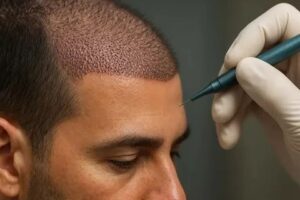

A hair transplant can be an exciting step toward improving hair coverage and restoring a natural-looking hairline. However, the procedure is only one part of the journey. The recovery period is equally important because the scalp needs time to heal while the transplanted follicles settle into their new locations.
Whether you have undergone Follicular Unit Extraction (FUE) or Follicular Unit Transplantation (FUT), following appropriate aftercare instructions can help you manage discomfort, protect the treated areas, and support healthy recovery. Although healing varies from person to person, a few simple habits can make the experience more comfortable and predictable.
Follow Your Surgeon’s Instructions
The most important recovery tip is to follow the instructions provided by your hair transplant surgeon. Every patient has different needs depending on the surgical technique, number of grafts, medical history, and healing progress.
Your clinic should explain how to wash your scalp, manage discomfort, protect the transplanted area, and gradually return to normal activities. Follow the recommended schedule for medications and attend all advised follow-up appointments.
Avoid experimenting with home remedies or using products that have not been approved by your medical team. Even products marketed for hair growth may irritate healing skin or interfere with your prescribed care plan.
If any instruction is unclear, contact your clinic for clarification rather than relying on advice from social media or other patients.
Keep Your Scalp Clean and Protected
Gentle scalp care is essential during the early recovery period. Small scabs, redness, and mild tenderness may develop around the transplanted follicles. These effects commonly improve as the scalp heals.
Your surgeon will tell you when to begin washing your hair and which products to use. When washing is permitted, handle the scalp gently and avoid rubbing or scratching the treated areas.
Do not pick at scabs, even if they become itchy. Removing them prematurely may disturb healing tissue. Avoid applying oils, gels, sprays, or other hair products until your specialist confirms that they are suitable.
Protect your scalp from accidental knocks and friction. If you need to wear a hat or cap, ask your clinic when it is safe and how to avoid putting pressure on the grafts.
Get Enough Rest During Recovery
Rest gives your body time to recover after surgery. During the first few days, try to maintain a comfortable routine and avoid unnecessary physical strain.
Your surgeon may recommend sleeping with your head slightly elevated for a short period to help manage swelling. Follow the clinic’s guidance on sleeping position and pillow arrangements.
Avoid sleeping in a position that puts direct pressure on the transplanted area. Clean bedding and a comfortable sleeping environment can also help you follow your postoperative instructions.
You do not need to remain completely inactive throughout recovery. Instead, gradually resume your usual routine according to your surgeon’s recommendations.
Avoid Strenuous Exercise Too Soon
Physical activity is beneficial for general health, but strenuous exercise immediately after hair transplantation may interfere with recovery. Heavy lifting, intense workouts, and activities that cause excessive sweating may increase irritation or put the healing scalp at risk.
Your surgeon will advise you when you can return to exercise. The timeline depends on the procedure, your healing progress, and the type of activity you want to resume.
Swimming and contact sports may require additional restrictions because of potential irritation, contamination, or accidental impact.
When you receive medical clearance, return to physical activity gradually. Stop and seek advice if an activity causes unexpected discomfort or bleeding around the treated areas.
Eat a Balanced Diet and Stay Hydrated
A nutritious diet supports general healing and normal hair growth. Include a variety of protein-rich foods, vegetables, fruits, whole grains, and healthy fats in your daily meals.
Protein is important for normal tissue maintenance, while a balanced diet provides vitamins and minerals needed for overall health. Drinking enough water also supports normal bodily functions.
However, no particular food or supplement can guarantee faster hair growth after transplantation. Supplements are most useful when a deficiency or specific need has been identified.
If you suspect a nutritional deficiency, consult a healthcare professional before taking high-dose vitamins or minerals. Some supplements may cause unwanted effects or interact with medications.
Protect Your Scalp From Sun Exposure
The scalp may be more sensitive to sunlight while healing. Excessive direct exposure can irritate the treated skin, so follow your surgeon’s recommendations about sun protection.
Avoid prolonged time in strong sunlight during the early recovery period. Ask your clinic when it is safe to wear a loose-fitting hat or use other protective measures.
Do not apply sunscreen directly to healing areas unless your medical team confirms that the product is appropriate.
As your scalp recovers, gradually return to your usual outdoor activities while following professional guidance. Protecting the skin is a useful part of maintaining scalp health beyond the initial healing period.
Be Patient With the Hair Growth Process
One of the most important recovery tips is to understand that visible results take time. Transplanted hairs commonly shed during the first few weeks after surgery. This is often an expected part of the process and does not necessarily mean the procedure has failed.
New growth develops gradually over the following months. Many patients notice visible improvement within six to twelve months, although final results may take longer.
Hair growth varies depending on donor hair quality, graft survival, individual healing, and the extent of hair loss. Some areas may develop more quickly than others.
Avoid comparing your progress too closely with other patients. Attend follow-up appointments so your specialist can assess your recovery and explain whether your progress is consistent with the expected timeline.
Recognize Signs That Need Medical Attention
Most patients experience some temporary effects after hair transplantation, such as mild swelling, redness, tenderness, and small scabs. However, certain symptoms require prompt medical attention.
Contact your clinic if you develop increasing pain, worsening swelling, spreading redness, fever, unusual discharge, or other unexpected symptoms. Seek urgent medical care if symptoms are severe or rapidly worsening.
Do not attempt to treat suspected complications with unprescribed medication or home remedies. Early assessment allows a healthcare professional to determine whether treatment is necessary.
Keeping your clinic’s contact details accessible can make it easier to obtain advice during recovery.
Choose a Clinic That Supports Your Recovery
A smooth recovery begins with choosing a qualified provider who offers clear instructions and appropriate follow-up care. Surgical expertise matters, but patients also need reliable guidance after leaving the clinic.
People searching for the best hair transplant in Islamabad should compare medical qualifications, safety standards, documented results, and postoperative support rather than focusing only on price.
Before selecting a clinic, ask whether it provides:
- Personalized recovery instructions.
- Guidance on washing and protecting the scalp.
- Clear recommendations about exercise and daily activities.
- Follow-up appointments to monitor healing.
- Access to professional advice if complications occur.
- Transparent information about treatment costs and aftercare.
A responsible clinic will explain potential risks, realistic results, and the expected recovery timeline without promising guaranteed outcomes.
Conclusion
A smooth hair transplant recovery depends on patience, gentle scalp care, adequate rest, balanced nutrition, and following your surgeon’s instructions. Avoiding strenuous activity when advised and protecting healing areas can help you manage the recovery period more comfortably.
Remember that transplanted hair grows gradually, and individual results vary. Attend follow-up appointments, report unusual symptoms promptly, and avoid unapproved products or treatments. With appropriate professional care and realistic expectations, you can take a positive and informed approach to your hair restoration journey.
Frequently Asked Questions (FAQs)
1. How long does hair transplant recovery take?
Initial healing generally occurs over the first days and weeks, although recovery varies by technique and individual circumstances. Visible hair growth commonly develops over six to twelve months or longer.
2. When can I wash my hair after a hair transplant?
Your surgeon will advise when to begin washing and explain how to clean your scalp gently. Follow the clinic’s instructions to avoid disturbing healing grafts.
3. Is hair shedding normal after a hair transplant?
Yes. Transplanted hairs commonly shed during the first few weeks before new growth begins. This is often normal, but contact your clinic if you have concerns about your recovery.
4. How can I find the best hair transplant in Islamabad for recovery support?
To find the best hair transplant in Islamabad for your needs, compare qualified surgeons, safety standards, postoperative guidance, follow-up care, documented results, and transparent pricing before choosing a clinic.
For more information visit Enfield royal clinic in islamabad