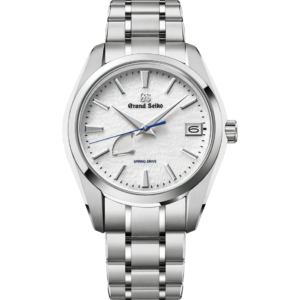

Few watch brands can claim to have genuinely reshaped an entire industry, but Seiko belongs on that short list. From humble beginnings as a small Tokyo clock and watch repair shop to becoming a global horological powerhouse, Seiko’s story is less about flashy reinvention and more about relentless, patient engineering. That approach has earned it a level of trust few competitors can match, spanning everyone from teenagers buying their first watch to serious collectors chasing rare vintage references.
Humble Origins, Enormous Ambition
Seiko traces its roots back to 1881, when Kintaro Hattori opened a small shop selling and repairing watches and clocks in Tokyo. Within a decade, the company was manufacturing its own clocks, and by 1895 it had produced its first pocket watch. What followed over the next century was a steady stream of firsts: Japan’s first wristwatch in 1913, the world’s first quartz wristwatch in 1969, and eventually the Spring Drive movement, a genuinely unique hybrid technology that took Seiko engineers over two decades to perfect.
That 1969 quartz release deserves particular attention, since its impact went far beyond Seiko itself. The introduction of the Astron, the world’s first quartz wristwatch, triggered what the watch industry still refers to as the “quartz crisis,” a period where dramatically more accurate and affordable quartz movements nearly wiped out traditional Swiss mechanical watchmaking entirely. Seiko didn’t just participate in that shift, it caused it.
A Brand That Refuses to Pick One Lane
What makes Seiko genuinely unusual among watch manufacturers is the sheer range it operates across. Most brands settle into a fairly narrow price and positioning band, but Seiko spans from sub-£100 quartz watches to Grand Seiko and Credor pieces that compete directly with high-end Swiss luxury. Very few manufacturers attempt to serve both markets under the same corporate umbrella, and fewer still manage to do it without one end damaging the credibility of the other.
The Seiko 5 line represents the accessible end of that spectrum, offering genuine automatic movements, day-date functionality, and rugged everyday reliability at prices that make it one of the most recommended first mechanical watches in the world. Moving up, the Prospex collection houses Seiko’s professional dive and sports watches, built around decades of accumulated expertise in water resistance and shock durability, worn by everyone from casual swimmers to actual working divers. Presage brings a more traditional, craft-oriented aesthetic, incorporating techniques like enamel dial work and Japanese lacquer art into wearable timepieces. At the top sits Grand Seiko, now operating as an independently positioned brand, representing the absolute peak of what Seiko’s manufacturing capability can produce.
Movement Technology Worth Understanding
Seiko’s in-house movement production is a major part of its credibility. Unlike many brands that rely on outsourced movements, Seiko manufactures the vast majority of its calibres itself, giving it tight control over quality and innovation. The 4R and 6R series automatic movements found in mid-range models have earned a reputation for durability that rivals movements costing significantly more elsewhere.
Spring Drive remains the standout technical achievement, though. Rather than choosing between mechanical and quartz technology, Seiko engineers spent over twenty years developing a movement that uses a traditional mechanical mainspring for power but regulates timekeeping through a quartz-controlled glide wheel, delivering both the romance of a wound mechanical watch and quartz-level accuracy, along with that famously smooth, sweeping second hand motion that has become something of a signature.
Why Collectors Take Seiko Seriously
Beyond casual buyers, Seiko has built a genuinely dedicated collector community, something not every mass-market brand manages to achieve. Vintage references from the 1960s through 1980s, particularly early divers and chronographs, have developed strong followings, with certain models now commanding significant premiums on the secondhand market. Limited editions and regional exclusives, particularly from Japan’s domestic market, have created an entire subculture of collectors tracking reference numbers and rare dial variants.
This collector enthusiasm speaks to something deeper about the brand’s design philosophy. Seiko watches tend to age well, both mechanically and aesthetically, favouring clean, purposeful design over trend-chasing. A dive watch from the 1970s often looks remarkably close to a modern Prospex release, not because the brand lacks creativity, but because the original design solved the problem correctly the first time.
A Legacy Still Being Written
More than 140 years after Kintaro Hattori opened that small Tokyo shop, Seiko remains one of the very few watchmakers capable of competing seriously at every level of the market simultaneously. That range, combined with a genuine track record of engineering innovation rather than marketing reinvention, is exactly why Seiko continues to earn trust from watch buyers who care more about what’s inside the case than what’s printed on the dial.