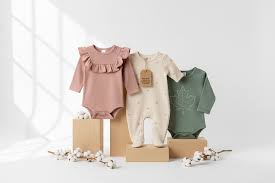

In today’s world, where parents are increasingly mindful about what their children are exposed to, choosing safe and non-toxic baby toys has become more important than ever. Babies explore the world through touch, taste, and movement, which means the toys they interact with must be free from harmful chemicals and designed with safety in mind. This guide will help conscious parents make informed decisions when selecting toys that are both safe and developmentally beneficial.
Why Non-Toxic Toys Matter
Babies frequently put toys in their mouths, chew on them, and carry them around for hours. If a toy contains toxic substances such as BPA, phthalates, lead, or PVC, prolonged exposure can pose health risks. These chemicals have been linked to developmental issues, hormonal disruptions, and allergic reactions. Choosing non-toxic toys minimizes these risks and ensures a healthier environment for your child.
Materials to Look For
One of the most important aspects of safe toys is the material they are made from. Opt for toys crafted from natural, organic, or food-grade materials. Some of the safest options include:
- Organic cotton: Soft, breathable, and free from harmful dyes or pesticides.
- Natural wood: Untreated or finished with non-toxic, water-based paints.
- Food-grade silicone: Durable, flexible, and safe for teething babies.
- Natural rubber: A great alternative to synthetic plastics, especially for teething toys.
Always check product labels and certifications to confirm that materials are genuinely non-toxic.
Certifications and Safety Standards
Certifications provide an extra layer of assurance when choosing baby toys. Look for labels such as:
- BPA-free
- Phthalate-free
- Lead-free
- ASTM or EN71 certified
These standards indicate that the toy has undergone safety testing and meets established guidelines. While certifications are helpful, they should complement—not replace—your own research.
Age-Appropriate Design
Safety isn’t just about materials; it’s also about design. Toys should match your baby’s developmental stage. Avoid toys with small parts that could pose a choking hazard. Ensure that all components are securely attached and cannot easily break off.
For infants, soft toys and simple rattles are ideal. As babies grow, they can benefit from stacking toys, sensory balls, and interactive items that encourage motor skills and cognitive development. Always follow the manufacturer’s recommended age guidelines.
Avoiding Common Hazards
Even seemingly harmless toys can have hidden dangers. Be cautious of:
- Sharp edges or rough surfaces
- Loose parts or weak seams
- Toxic paints or strong chemical smells
- Loud noises that may harm hearing
If a toy smells strongly of plastic or chemicals, it’s best to avoid it. Trust your instincts—if something feels off, it probably is.
Sustainable and Eco-Friendly Choices
Conscious parenting often goes hand in hand with environmental responsibility. Many non-toxic toys are also eco-friendly, made from sustainable materials and produced using ethical practices. Choosing such toys not only protects your baby but also contributes to a healthier planet.
Consider brands that use recyclable packaging, responsibly sourced materials, and fair labor practices. Wooden toys, cloth dolls, and biodegradable products are excellent options that align with both safety and sustainability goals.
DIY and Minimalist Toy Options
You don’t always need to buy expensive toys to keep your baby engaged. Simple, homemade items can be just as effective and often safer because you control the materials used. For example:
- A soft cloth with different textures
- Wooden spoons or kitchen utensils
- Fabric scraps for sensory play
Minimalist parenting emphasizes fewer, high-quality toys that encourage creativity and focus rather than overstimulation.
Maintenance and Hygiene
Keeping toys clean is essential for your baby’s health. Choose toys that are easy to wash and maintain. Cloth toys should be machine-washable, while silicone and rubber toys can often be sterilized.
Regularly inspect toys for wear and tear. Discard any items that are broken or damaged, as they may pose safety risks. Proper storage also helps prevent contamination and prolongs the life of the toys.
Making Informed Choices
With so many options available, selecting the right toys can feel overwhelming. Start by researching brands, reading reviews, and understanding product labels. Avoid impulse purchases and prioritize quality over quantity.
It’s also helpful to support companies that are transparent about their materials and manufacturing processes. Ethical brands are usually more committed to safety and sustainability.
Final Thoughts
Choosing safe and non-toxic baby toys is a vital part of conscious parenting. By focusing on natural materials, age-appropriate designs, and trusted certifications, you can create a safe and nurturing environment for your child to explore and grow.