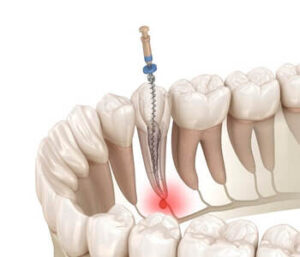

A healthy, natural smile is something many of us take for granted until tooth pain or dental problems start interfering with everyday life. One common dental procedure that helps preserve your natural teeth is root canal treatment. Despite its reputation, modern root canal therapy is a safe, effective, and often pain-free way to save teeth that would otherwise need extraction. In this blog, we’ll explore what root canal treatment is, why it’s necessary, what the procedure involves, and how it helps you maintain your natural smile.
What Is Root Canal Treatment?
Root canal treatment, also known as endodontic therapy, is a dental procedure used to treat infection or damage within the soft tissue inside a tooth, called the pulp. The pulp contains nerves, blood vessels, and connective tissue, all of which are essential during tooth development. However, once a tooth is fully developed, it can survive without the pulp as long as it remains healthy and properly treated.
When the pulp becomes infected due to deep decay, cracks, or trauma, it can cause severe pain, sensitivity, and swelling. If left untreated, the infection may spread to the surrounding bone and gums, ultimately leading to tooth loss. Root canal therapy removes the infected pulp, cleans and disinfects the tooth’s interior, and seals it to prevent further infection. This allows the tooth to function normally while preserving your natural smile.
Signs You May Need a Root Canal
Identifying the need for a root canal early can prevent more serious dental problems down the line. Common signs include:
-
Severe Tooth Pain – Persistent or intense pain, especially when chewing or applying pressure, may indicate pulp damage or infection.
-
Prolonged Sensitivity – Discomfort or sharp pain in response to hot or cold foods that lingers even after the stimulus is removed.
-
Swollen or Tender Gums – Inflammation, tenderness, or a pimple-like bump on the gums near a tooth could signify infection.
-
Discoloration of the Tooth – A darkening or greyish hue of the tooth may indicate nerve damage.
-
Cracked or Chipped Tooth – Trauma or injury that exposes the pulp can lead to infection, necessitating a root canal.
-
Recurring Abscess – A dental abscess, which is a pocket of pus caused by infection, may require immediate treatment.
If you experience any of these symptoms, it’s crucial to consult your dentist promptly. Early intervention increases the likelihood of saving your natural tooth.
The Root Canal Procedure: Step by Step
Modern root canal treatment is typically completed in one or two visits, depending on the complexity of the tooth and the severity of the infection. Here’s what you can expect:
-
Diagnosis and X-Rays
Your dentist will examine the affected tooth and take X-rays to determine the extent of the infection and check the surrounding bone structure. -
Anesthesia
Local anesthesia is administered to numb the tooth and surrounding area. Contrary to popular belief, most patients feel little to no pain during the procedure. -
Access Opening
A small opening is made in the crown of the tooth to reach the infected pulp chamber and root canals. -
Cleaning and Shaping
The dentist carefully removes the infected pulp, cleans the canals, and shapes them to prepare for filling. Antibacterial solutions may be used to disinfect the area thoroughly. -
Filling the Canals
The cleaned canals are filled with a biocompatible material, usually gutta-percha, to seal the space and prevent reinfection. -
Sealing and Restoration
The access opening is sealed with a temporary or permanent filling. Often, a dental crown is recommended to restore the tooth’s strength, function, and appearance.
Benefits of Saving Your Natural Tooth
Preserving your natural tooth through root canal treatment has several significant benefits:
-
Maintains Natural Function – Your natural tooth allows for normal biting, chewing, and speaking without the complications that may arise from missing teeth or bridges.
-
Prevents Bone Loss – Extracting a tooth can lead to jawbone deterioration over time. Retaining your natural tooth helps maintain the structural integrity of your jaw.
-
Improves Aesthetics – Keeping your original tooth ensures a natural appearance, especially for front teeth where cosmetic concerns are important.
-
Protects Neighboring Teeth – A missing tooth can cause neighboring teeth to shift or become misaligned. Saving your tooth helps maintain proper dental alignment.
-
Reduces Long-Term Costs – While root canal treatment can seem expensive upfront, preserving your natural tooth often avoids the higher costs of implants, bridges, or dentures in the future.
Common Myths About Root Canal Treatment
Despite its effectiveness, root canal treatment has a reputation for being painful. Modern dental techniques have debunked this myth:
-
Myth 1: Root Canals Are Painful – Modern anesthesia and techniques make the procedure no more uncomfortable than getting a routine filling.
-
Myth 2: Tooth Will Be Weak After Treatment – While the tooth may be more brittle without its pulp, a crown or proper restoration can make it strong and durable.
-
Myth 3: Extraction Is Better – Saving your natural tooth is almost always preferable to extraction because it preserves function and bone structure.
Understanding these facts can alleviate anxiety and encourage timely treatment.
If you’re looking for painless root canal treatment in Mysore, our clinic specializes in advanced, gentle root canal procedures that minimize discomfort while ensuring the best possible results at Murthy Dental Clinic.
Recovery and Aftercare
After a root canal, some mild discomfort or sensitivity is normal for a few days. Over-the-counter pain relievers and following your dentist’s care instructions usually manage it effectively. Here are some tips to promote healing:
-
Avoid chewing hard foods on the treated tooth until fully restored.
-
Maintain good oral hygiene, including brushing twice daily and flossing carefully.
-
Attend follow-up appointments to monitor the tooth’s healing.
-
Report any unusual swelling, persistent pain, or signs of infection immediately.
With proper care, a tooth treated with root canal therapy can last a lifetime.
Conclusion
Root canal treatment is a remarkable procedure that allows dentists to save teeth that would otherwise need extraction. By removing infection, sealing the tooth, and restoring its function, root canal therapy helps preserve your natural smile, protect your jawbone, and maintain proper dental function. Despite common misconceptions, the procedure is safe, effective, and usually pain-free.
If you’re experiencing tooth pain, prolonged sensitivity, or swelling, don’t delay. Consulting a qualified dentist promptly can make all the difference. Saving your natural tooth isn’t just about comfort it’s about preserving your long-term oral health and maintaining a confident, healthy smile.
Original Sources : – Root Canal Treatment: Saving Your Natural Tooth