
Root canal retreatment often comes with a truckload of anxiety – and most of that anxiety is built on outdated myths rather than medical reality. Whether you have already had a root canal and are wondering why discomfort returned, or a dentist has just recommended retreatment, it is natural to feel uncertain. The good news is that modern endodontic care has changed dramatically, and understanding what retreatment actually involves can make the entire experience far less intimidating. This article cuts through the noise, addresses the most persistent misconceptions, and gives you practical aftercare and maintenance advice so your treated tooth can last for many years to come.
Common Myths About Root Canal Retreatment – Debunked
Myth 1: Retreatment Means the First Procedure Failed
This is probably the most common misunderstanding. A root canal does not “fail” the way a machine breaks down. Tooth anatomy is extraordinarily complex – some roots have fine accessory canals that even skilled clinicians cannot detect on initial imaging. Over time, a tiny missed canal or a microscopic crack can allow bacteria to re-establish themselves. Retreatment is simply a second attempt to clean and seal the tooth more thoroughly, often with better tools and imaging than were available the first time. It is medicine adapting to complexity, not evidence of carelessness.
Myth 2: It Is More Painful Than the Original Treatment
Modern anaesthesia techniques mean that retreatment is no more uncomfortable than any routine dental procedure. Most patients report feeling pressure rather than pain during the procedure itself. Post-procedure soreness, if it occurs at all, typically resolves within two to three days. Dentists and endodontists use updated rotary instruments and apex locators that make the process faster and more precise than procedures performed even a decade ago.
Myth 3: Extraction Is a Better Option
Some patients assume that pulling the tooth and replacing it with an implant is simpler and more permanent. In reality, saving your natural tooth is almost always the preferred clinical goal. Natural teeth have a proprioceptive feedback mechanism – they sense biting pressure in ways implants cannot replicate. Retreatment, when performed by a qualified
Root canal treatment specialist, gives the tooth a strong chance of lasting decades, often at a lower overall cost than extraction followed by implant placement.
Why Does a Tooth Need Retreatment in the First Place?
Reinfection and Missed Canals
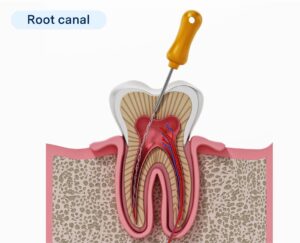
The pulp chamber of a molar can have three, four, or even five canals, and the curvature of roots varies from person to person. When a canal is not completely cleaned or sealed, residual bacteria multiply slowly. Symptoms may not appear for months or even years after the original procedure, which is why routine follow-up X-rays remain important even when you feel perfectly fine.
Coronal Leakage
A well-treated canal can be compromised if the crown or filling placed on top of the tooth develops a leak. Saliva and oral bacteria then seep down along the root, recontaminating the previously disinfected space. This is why your dentist insists on placing a permanent crown promptly after root canal therapy – delays significantly raise the risk of retreatment being needed later.
Cracks and Fractures
Teeth that have undergone root canal treatment are more brittle because they no longer receive nourishment from the pulp. A fracture – sometimes invisible on X-ray – can harbour bacteria and cause persistent periapical infection. In some cases retreatment can address this; in others, surgery or extraction may be the only option. Early diagnosis makes all the difference.
Aftercare: What to Do in the Days Following Retreatment
Managing Discomfort and Swelling
Mild tenderness for two to three days is entirely normal. Over-the-counter analgesics like ibuprofen or paracetamol, taken as directed, are usually sufficient. Apply a cold compress to the outside of your cheek for the first 24 hours if there is any swelling. Avoid hot foods and beverages immediately after the procedure, as the area may still be numb and you could inadvertently burn yourself.
Eating and Oral Hygiene
Stick to soft foods – curd rice, idli, mashed dal, or soup – for the first couple of days. Avoid chewing on the treated side until your dentist confirms that the permanent restoration is in place. Continue brushing twice daily, but be gentle around the treated tooth. Flossing is still important; simply guide the floss carefully rather than snapping it into place.
When to Call Your Dentist
Contact your clinic promptly if you experience severe, worsening pain beyond the third day, visible swelling that is spreading, fever, or a return of the pus or drainage that prompted retreatment. These signs could indicate that the infection needs further attention, including antibiotics or additional treatment.
Choosing a reliable Dental Hospital in Vijayawada that offers follow-up care makes monitoring straightforward and reassuring.
Long-Term Maintenance to Protect a Retreated Tooth
Crown Placement Is Non-Negotiable
A permanent crown seals the tooth, restores full chewing function, and prevents the coronal leakage discussed earlier. Have your crown fitted as soon as your endodontist gives the go-ahead – do not delay it because the tooth “feels fine.” A tooth that has undergone retreatment is structurally more vulnerable than a virgin tooth, and a crown is its primary shield against fracture.
Regular Radiographic Monitoring
Your dentist will want to take follow-up X-rays at six months and then annually for the next two to four years. These images track whether the periapical lesion – the area of bone infection around the root tip – is healing. Gradual resolution is a positive sign; any enlargement of the lesion signals that further intervention may be needed. Do not skip these appointments even when you are symptom-free.
Daily Habits That Make a Difference
Avoid using retreated teeth to crack nuts, open packaging, or chew ice. If you grind your teeth at night, a custom night guard is a worthwhile investment. Maintain excellent oral hygiene and attend six-monthly professional cleanings. These simple habits dramatically extend the life of any restored tooth.
Choosing the Right Specialist for Retreatment
Not every dental clinic is equally equipped for retreatment procedures. Endodontists are dentists who have completed additional postgraduate training specifically in root canal therapy and related surgeries. They have access to dental operating microscopes, cone beam CT imaging, and ultrasonic instruments that make retreatment considerably more predictable. If your general dentist recommends retreatment, asking for a referral to or directly seeking out the
Best endodontist in Vijayawada is a sensible next step, particularly for complex cases involving curved canals, calcified roots, or broken instruments.
Conclusion
Root canal retreatment is far less frightening than its reputation suggests. Once you strip away the myths, what remains is a logical, well-established procedure aimed at saving a tooth that your body has already invested years in building. Proper aftercare in the first few days, followed by consistent long-term habits and regular dental check-ups, gives a retreated tooth an excellent prognosis. If you are based in Andhra Pradesh and have been advised to consider retreatment, speaking with a qualified specialist sooner rather than later is always the right call. Timely intervention almost always leads to better outcomes and a healthier, longer-lasting smile.
Frequently Asked Questions
How long does root canal retreatment take?
Most retreatment procedures are completed in one or two appointments, each lasting between 60 and 90 minutes. The exact duration depends on the number of canals, the complexity of the root anatomy, and whether a post or crown needs to be removed before the canals can be accessed.
Is retreatment covered under dental insurance in India?
Coverage varies widely between policies. Some group health insurance plans and standalone dental insurance products do cover endodontic retreatment, while others exclude it. Check your policy documents carefully and ask your insurer to clarify what percentage of the procedure cost is reimbursable before you begin treatment.
What is the success rate of root canal retreatment?
Clinical studies suggest that retreatment has a success rate of around 75 to 85 percent when performed by a trained specialist under magnification. Success is defined as the resolution of infection and the absence of symptoms over a follow-up period of at least four years. Cases where infection is caught early tend to have the best outcomes.
Can retreatment be avoided with better aftercare the first time?
Good aftercare – getting a crown placed promptly, maintaining oral hygiene, and attending follow-up appointments – significantly lowers the risk of retreatment. However, some teeth require retreatment due to anatomical complexity that is beyond anyone’s control. Consistent maintenance gives your tooth the best possible chance of lasting without intervention.
What happens if retreatment does not work?
If retreatment is unsuccessful, the next option is typically endodontic surgery, specifically an apicoectomy, where the root tip is removed along with the infected tissue. If the tooth is still not salvageable after surgery, extraction followed by an implant or bridge becomes necessary. Your specialist will discuss all available options before recommending extraction.
Source: hackmd