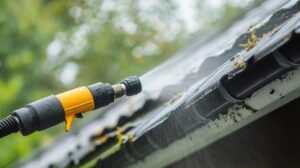

When it comes to roof cleaning, homeowners often opt for roof pressure washing as a quick and effective method to remove dirt, moss, and algae. However, many may not be aware of the potential risks, especially when it comes to the integrity of their roof’s shingles. While pressure washing can seem like an efficient way to maintain a clean roof, it can cause significant damage to shingle granules, which are crucial for protecting your roof. This article explores the relationship between roof pressure washing and shingle granules, why it matters, and what homeowners should consider before opting for this cleaning method.
The Role of Shingle Granules in Roof Protection
Shingles are the first line of defense against weather elements like rain, wind, and sun. They are covered in granules, which play a critical role in protecting the shingles and your home. These granules serve as a barrier, reflecting UV rays, preventing algae growth, and adding durability to the roof.
Granules also help with the water resistance of shingles, allowing rain to flow off the roof without penetrating the material. Over time, however, these granules naturally wear off due to weather exposure. But when roof pressure washing is used improperly, it can accelerate this process and cause more rapid granule loss.
Shingle Granules: Why They Matter
-
UV Protection: Granules reflect harmful UV rays, which helps prevent shingle degradation.
-
Water Resistance: Granules enhance the shingles’ ability to shed water, which reduces the risk of leaks.
-
Aesthetic Appearance: Granules help maintain the color and texture of shingles, contributing to the overall curb appeal of the home.
Without sufficient granules, shingles become vulnerable to UV rays and water damage, leading to premature roof deterioration. It’s crucial to understand the impact of cleaning methods on these protective granules.
How Roof Pressure Washing Affects Shingle Granules
While roof pressure washing is an efficient method for removing dirt and debris, the forceful stream of water can strip away these important granules. The high-pressure water used in this cleaning method can loosen the granules, causing them to wash away and leave the shingles exposed to the elements. Over time, this can lead to significant wear and tear on the roof, reducing its lifespan.
Granule Loss: What It Means for Your Roof
When pressure washing is done incorrectly or too aggressively, it can lead to:
-
Accelerated Wear: The loss of granules exposes the shingles to UV rays and weathering, which causes the roof to age prematurely.
-
Reduced Water Resistance: Without granules, shingles lose their ability to shed water, leading to leaks and water damage in the attic or walls.
-
Aesthetic Damage: Roofs that have lost granules can appear patchy, aged, or discolored, detracting from the overall curb appeal of the home.
For homeowners who are considering roof pressure washing, it’s important to weigh these risks and ensure that the service provider uses the correct techniques to protect the roof.
Roof Cleaning Methods: Pressure Washing vs. Soft Washing
While pressure washing is often the go-to option for cleaning concrete surfaces and other exterior areas, it’s not always the best method for roof cleaning. A gentler approach known as soft washing is generally safer for roofs, as it uses lower pressure combined with specialized cleaning solutions to remove dirt, algae, and moss without damaging the shingles or their granules.
Why Soft Washing Is a Better Option
Soft washing is a far more effective and safer method for roof cleaning, as it:
-
Protects Shingles: Soft washing uses lower water pressure, which minimizes the risk of granule loss.
-
Cleans Effectively: The cleaning solution used in soft washing kills algae, moss, and other growths at their root, ensuring that they don’t grow back.
-
Extends Roof Lifespan: By preserving the integrity of the shingles, soft washing helps extend the lifespan of the roof.
Soft washing is a gentler, more thorough cleaning method that doesn’t compromise the structural integrity of the shingles, making it the preferred choice for roof cleaning services.
The Importance of Gutter Cleaning for Roof Maintenance
In addition to roof cleaning, gutter cleaning plays a vital role in maintaining the overall health of your roof. Gutters that are clogged with leaves, twigs, and other debris can cause water to back up onto the roof, which may lead to leaks, water damage, and even mold growth. Clean gutters ensure that water flows away from the roof and foundation, reducing the risk of damage.
Gutter Cleaning and Roof Longevity
Regular gutter cleaning is essential because it:
-
Prevents Water Backup: Clogged gutters can cause water to pool on the roof, leading to moisture damage, especially around vulnerable areas like the edges of the roof.
-
Reduces Wear and Tear: Water that sits in the gutters for extended periods can cause rust and decay, weakening the gutters and affecting the roof.
-
Protects the Foundation: Properly functioning gutters direct water away from the roof and the foundation, preventing soil erosion and water seepage into the home.
For homeowners looking for gutter cleaning near me services, it’s essential to make sure that the gutter cleaning is done regularly to complement roof maintenance and ensure that water is properly channeled away from the home.
Concrete Cleaning and Roof Maintenance: An Overlooked Connection
While concrete cleaning may not seem directly related to roof maintenance, there is an important connection. Clean driveways, sidewalks, and patios help maintain the aesthetic appearance of your home, while preventing mold, mildew, and other organic growth from spreading to the roof. Organic growths that thrive on concrete surfaces can easily make their way to your roof, where they can damage shingles and reduce their lifespan.
Preventing the Spread of Organic Growth
-
Concrete Cleaning: Regular cleaning of concrete surfaces, especially in areas near the roof, prevents mold, algae, and moss from spreading to the shingles.
-
Roof Protection: Keeping the surrounding areas clean ensures that debris and organic matter are not transferred to the roof, reducing the chances of algae growth and shingle damage.
By maintaining both your roof and surrounding surfaces, you help create a cleaner, more protected environment that minimizes the risk of damage from organic growth.
Conclusion: Roof Pressure Washing and Granule Preservation
In conclusion, while roof pressure washing may seem like an easy solution for roof cleaning, homeowners should be cautious about its effects on shingle granules. These granules are vital for protecting the roof from UV rays, moisture, and weathering. High-pressure washing can cause granule loss, leading to accelerated wear and potential roof damage. Instead, opting for soft washing methods and ensuring proper gutter cleaning can help preserve the integrity of your roof and extend its lifespan. By combining regular roof cleaning, gutter maintenance, and concrete cleaning, you can safeguard your home’s exterior and avoid costly repairs down the road. Always prioritize service quality to ensure that your roof remains in top condition for years to come.