
Accurate pressure measurement is essential for maintaining safety, efficiency, and process reliability in steam systems. In industries such as power plants, chemical processing, refineries, and pharmaceutical manufacturing, steam pressure instruments are continuously exposed to high temperatures and condensable vapors.
Direct exposure of pressure transmitters and gauges to hot steam can damage sensitive instrumentation components and affect measurement accuracy. This is where Condensate Pots play a critical role.
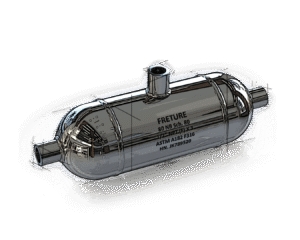
Condensate pots are specially designed accessories used in steam pressure measurement systems to collect and maintain condensate before it reaches pressure instruments. They help protect instrumentation equipment while ensuring stable and accurate pressure readings.
What is a Condensate Pot?
A condensate pot is a cylindrical vessel installed in impulse lines between the steam process line and pressure measuring instruments.
Its primary function is to:
- Collect condensate
- Prevent direct steam contact with instruments
- Maintain a consistent condensate column
- Protect pressure transmitters from excessive heat
Condensate pots are commonly used with:
- Differential pressure transmitters
- Pressure gauges
- Flow measurement systems
- Steam instrumentation assemblies
Why Condensate Pots are Important in Steam Systems
Steam systems operate at elevated temperatures that can damage sensitive instrumentation devices.
Without condensate pots:
- Steam may directly enter pressure transmitters
- Excessive heat can affect calibration
- Measurement accuracy may fluctuate
- Instrument lifespan may reduce
Condensate pots help create a stable liquid barrier between the steam line and the instrument, improving overall system reliability.
How a Condensate Pot Works
The working principle of a condensate pot is simple yet highly effective.
Step-by-Step Operation:
- Steam enters the impulse line.
- As steam cools, condensate forms naturally.
- The condensate pot collects this condensate.
- A stable condensate column is maintained in both impulse lines.
- The pressure instrument measures pressure through the condensate barrier rather than direct steam exposure.
This arrangement protects instruments from high-temperature steam and ensures balanced pressure transmission.
Key Functions of Condensate Pots
1. Protecting Pressure Instruments
Condensate pots prevent hot steam from directly reaching:
- Pressure transmitters
- Differential pressure transmitters
- Gauges
This significantly improves instrument durability.
2. Improving Measurement Accuracy
Balanced condensate levels in impulse lines help maintain:
- Stable pressure readings
- Accurate differential pressure measurements
- Reduced calibration drift
This is especially critical in steam flow measurement systems.
3. Reducing Thermal Shock
Sudden temperature fluctuations can damage instrumentation components.
Condensate pots help minimize:
- Thermal stress
- Temperature shock
- Instrument fatigue
This increases system reliability and equipment life.
4. Maintaining Equal Condensate Levels
In differential pressure applications, equal condensate levels on both sides are necessary for accurate readings.
Condensate pots help maintain:
- Pressure balance
- Consistent reference levels
- Stable process measurements
Applications of Condensate Pots
Condensate pots are widely used in:
- Power Plants
- Steam Boiler Systems
- Petrochemical Plants
- Refineries
- Pharmaceutical Industries
- Chemical Processing Facilities
- Steam Flow Measurement Systems
They are essential wherever steam pressure instrumentation is used.
Types of Condensate Pots
Vertical Condensate Pots
Installed vertically for standard steam applications.
Horizontal Condensate Pots
Used where installation space or piping configuration requires horizontal mounting.
Both types are available in various sizes and pressure ratings.
Materials Used for Condensate Pots
Material selection depends on process conditions and operating environments.
Common materials include:
- Stainless Steel
- Carbon Steel
- Alloy Steel
Stainless steel condensate pots are widely preferred due to their corrosion resistance and long service life.
Important Selection Factors
Before selecting a condensate pot, industries should evaluate:
- Operating pressure
- Steam temperature
- Material compatibility
- Connection type
- Installation orientation
- Process application requirements
Proper selection ensures reliable and long-lasting performance.
Advantages of Using Condensate Pots
Enhanced Instrument Protection
Protects pressure instruments from excessive heat.
Improved Process Reliability
Ensures stable and accurate pressure measurement.
Longer Instrument Life
Reduces thermal damage and maintenance frequency.
Better Measurement Stability
Maintains balanced condensate levels for consistent readings.
Increased Operational Safety
Helps prevent instrumentation failure in critical steam systems.
Why Choose Freture Techno Pvt. Ltd. for Condensate Pots?
Freture Techno Pvt. Ltd. provides high-quality condensate pots designed for demanding industrial steam applications.
Their condensate pot solutions offer:
- Precision-engineered construction
- High pressure capability
- Corrosion-resistant materials
- Reliable performance
- Long operational life
- Custom configurations for industrial requirements
Freture Techno focuses on delivering durable and efficient steam instrumentation accessories for critical process industries.
Conclusion
Condensate pots play a crucial role in protecting pressure instruments and maintaining accurate measurements in steam systems. By preventing direct steam exposure and maintaining stable condensate levels, they improve process reliability, operational safety, and instrumentation lifespan.
In modern industrial steam applications, condensate pots remain an essential component for ensuring efficient and accurate pressure measurement performance.
FAQ
What is the purpose of a condensate pot?
A condensate pot collects condensate and protects pressure instruments from direct steam exposure.
Where are condensate pots used?
They are commonly used in steam pressure and differential pressure measurement systems.
Why are condensate pots important in steam applications?
They improve measurement accuracy and protect instruments from excessive temperature.
Which industries use condensate pots?
Power plants, refineries, chemical plants, and steam processing industries widely use condensate pots.