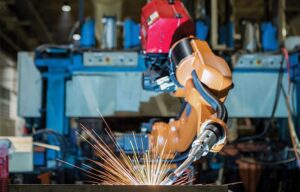

The rapid development of robotics and automation is transforming workplaces across the globe, especially in industries where hazardous conditions pose significant risks to employees. From construction and manufacturing to mining and chemical processing, advanced technologies are reshaping how dangerous tasks are executed. By taking on roles traditionally performed by humans—often in environments filled with heavy machinery, toxic substances, or extreme temperatures—robotic systems are proving to be powerful tools for reducing workplace injuries and creating safer, more efficient operations.
The Growing Need for Safer Work Environments
Workplace accidents continue to be a major concern for employers and regulatory bodies. Many of these incidents arise from tasks that expose workers to potential harm, such as handling hazardous materials, working at height, entering confined spaces, or performing repetitive motions that strain the body. While training and protective equipment remain essential, they cannot eliminate all risks.
This is where robotics and automation offer clear advantages. Machines are not affected by fatigue, stress, or human error. They can work precisely and continuously in environments that would otherwise be dangerous for people. Incorporating these technologies into safety strategies helps organisations protect their workforce while maintaining high productivity levels.
How Robotics Are Reducing Exposure to Hazards
Robotic systems are already being utilised in a variety of high-risk industries. Their ability to carry out complex tasks remotely or autonomously makes them ideal for reducing direct human contact with hazardous environments.
- Automation in Hazardous Material Handling
In chemical plants and manufacturing facilities, robots are increasingly used to handle toxic, corrosive, or volatile substances. They can pour, mix, transport, and package chemicals without risk of inhalation or skin exposure. This significantly reduces the likelihood of chemical burns, poisoning, and environmental contamination. - Robots in Confined Spaces
Confined spaces such as tanks, pipelines, and crawl spaces pose risks like low oxygen levels, toxic gases, and structural instability. Remote-controlled robots equipped with cameras and sensors can inspect, clean, or repair these spaces while workers remain at a safe distance. This eliminates the need for human entry in many situations. - Use of Drones for Working at Height
Traditional tasks such as roof inspections, surveying, or inspecting tall structures used to require workers to climb ladders or operate at height. Drones now perform these tasks quickly and safely, removing the need for workers to physically access elevated or unstable areas. - Automated Machinery in Construction
Construction remains one of the most accident-prone sectors. Automated bricklayers, excavation robots, and robotic welding systems are increasingly being adopted to minimise worker involvement in dangerous tasks. These machines can lift heavy materials, operate in unstable ground conditions, and perform repetitive tasks without exposing workers to mechanical hazards. - Robotics in Emergency Response
In scenarios involving fires, explosions, or hazardous gas leaks, robots can be deployed to assess risk, locate victims, or carry out initial containment. This allows emergency responders to make informed decisions without immediately placing themselves in harm’s way.
The Role of Automation in Enhancing Safety Culture
Automation is not only about replacing physical actions; it also supports better decision-making and safety planning. Smart sensors, AI-driven monitoring systems, and automated alerts help supervisors identify risks earlier and intervene before incidents occur.
For instance, wearable devices can monitor worker fatigue, posture, or environmental conditions. If a worker enters a dangerous area or shows signs of physical stress, automated alerts can prompt intervention. These technologies encourage proactive safety management and create awareness at every level of the workforce.
Automation also reduces repetitive tasks that contribute to fatigue-related mistakes—one of the leading causes of workplace accidents. When employees are relieved from monotonous or physically strenuous duties, they can focus more on supervision, planning, and skilled work that requires human judgment.
Challenges and Considerations
Despite their advantages, robotics and automation come with challenges that organisations must address:
- High upfront costs: While long-term savings are significant, budget constraints can delay adoption.
- Training requirements: Workers need new skills to operate and maintain robotic systems.
- Technology integration: Older facilities may require upgrades to accommodate automation.
- Dependence on digital systems: Connectivity issues or software failures can interrupt operations.
These challenges highlight the importance of strategic planning when integrating automation into safety programmes.
The Human Role in an Automated Future
Contrary to the fear that robots will replace jobs, automation often reshapes roles rather than eliminates them. Workers transition from high-risk physical tasks to supervisory, technical, or analytical roles. This enhances job satisfaction and provides opportunities for skill development.
Moreover, human oversight remains crucial. Robots may perform dangerous tasks efficiently, but they still require human judgment for quality control, problem-solving, and emergency decision-making. Collaboration between workers and machines creates a balanced, safer workplace.
Final Thoughts
Robotics and automation have become powerful tools in the mission to reduce worker exposure to hazards. By taking over dangerous, repetitive, or physically demanding tasks, they significantly decrease workplace accidents and improve operational efficiency. Organisations that embrace these technologies not only enhance worker safety but also position themselves at the forefront of innovation and productivity. As robotics continue to advance, industries must integrate them thoughtfully and responsibly, guided by strong safety principles and professional expertise such as that provided by Health and Safety hampshire.
Also Prefer our other Article :