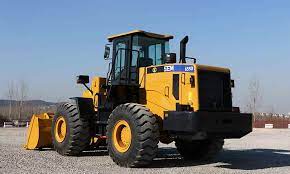

Ask anyone who has run a site in Doha in August, and they’ll tell you the same thing: the machine you choose matters less than how well you’ve planned around it. A bulldozer that arrives late, in the wrong size, or without a proper service history can cost you far more than the rental invoice ever shows.
If you’re weighing up whether to rent bulldozers in Qatar rather than buy, this guide covers what actually makes a difference on the ground, from sizing and heat to the questions worth asking a supplier before you sign.
Why renting makes sense for most projects
Buying a dozer ties up serious capital, and then you’re left with storage, servicing, insurance and a machine that sits idle between jobs. Qatar’s construction and infrastructure sector moves in bursts. A road-widening scheme finishes, a Lusail plot gets handed over, an industrial yard in Mesaieed needs levelling, and the demand for earthmoving equipment shifts overnight.
Renting lets you match equipment to the work in front of you. You pay for the weeks you need it, the supplier carries the maintenance burden, and if the scope changes halfway through, you can swap to a different size instead of making do with what you own.
The exception is long-term, continuous work. If a dozer will run daily for several years, the numbers may favour ownership. For almost everything else, hire wins.
Getting the size right
This is where most first-time renters slip. Bulldozers are usually grouped by weight and blade capacity, and each class suits different work.
Small dozers handle grading, backfilling and finishing work around buildings, compounds and landscaped areas. They’re nimble and easier to transport, but they struggle with heavy pushing.
Medium dozers are the workhorses of Qatar’s construction sites. They cope with general earthmoving, site clearance, road base preparation and moving large volumes of sand and aggregate without the transport headaches of the biggest machines.
Large dozers earn their place on major infrastructure, quarry-style excavation, industrial developments and big land reclamation jobs. They move serious material, but they cost more to hire and need proper low-loader transport and wider access routes.
Pick too small, and the job drags, burning operator hours and fuel. Pick too large, and you’re paying for power you can’t use, and you may struggle to get it onto site at all. If you’re unsure, describe the terrain, the volume of material and the access route to the supplier. A good one will talk you out of the wrong machine.
Heat, sand and what they do to equipment
Qatar’s summers are hard on machinery. Temperatures regularly climb above 45°C, and fine dust gets into everything. Both cause problems that a clean-looking machine in a yard won’t reveal.
Before you commit, ask about the following:
- Cooling system condition. Overheating is the most common breakdown on hot sites. Ask when the radiator and hoses were last serviced.
- Air filtration. Sand clogs filters quickly. Find out how often they’re changed and whether the supplier will replace them during a long hire.
- Undercarriage wear. Sandy ground wears tracks and rollers faster than you’d expect. Worn tracks mean downtime.
- Air conditioning in the cab. It sounds like a comfort feature, but a cool operator is a safer, more productive operator.
Many crews also shift heavy earthmoving to early morning and evening during peak summer. If your hire period overlaps with the hottest months, build that into your schedule from day one.
Questions to ask before you sign
Not every supplier works the same way, and the cheapest quote often hides the extras. Get clear answers on these:
- What’s included in the rate? Operator, fuel, transport to and from site, and insurance are often priced separately.
- How quickly can you replace a broken-down machine? Ask for a time, not a reassurance.
- Can I see the maintenance records? A reputable supplier will have them to hand.
- What are the minimum hire terms? Daily, weekly and monthly rates differ, and some suppliers set minimum periods.
- Who handles breakdowns on site? You want a supplier with their own technicians, not one who outsources every repair.
If a supplier gets defensive about any of these, treat it as useful information.
Operators, permits and safety
A bulldozer is only as safe as the person driving it. If you’re hiring an operated machine, confirm that the operator is experienced, properly licensed and familiar with the type of work you’re doing. Operating a dozer near live utilities or on a busy road project is very different from levelling an empty plot.
Requirements for site access, operator qualifications and equipment inspection can vary by project and client, particularly on projects linked to government bodies such as Ashghal or on industrial sites at Ras Laffan. Check what your main contractor or client expects before the machine is mobilised, not after it arrives at the gate.
Keeping the cost under control
Rental costs creep when jobs overrun, so the best way to control them is to plan the work tightly. Prepare the site before the machine arrives. Mark out the areas, clear access routes and agree where spoil will go. Every hour a dozer spends waiting for instructions is an hour you’re paying for.
It also pays to bundle your equipment needs. If you need a dozer, an excavator and a few trucks, many suppliers will offer better terms on a package than on separate hires.
The bottom line
Choosing to hire a bulldozer is a straightforward decision. Choosing the right machine, from the right supplier, on the right terms is where projects are won or lost. Match the size to the work, check the machine’s condition against Qatar’s climate, ask the awkward questions up front, and plan the site so the equipment never stands idle.
Do that, and renting a bulldozer in Qatar becomes one of the easiest parts of your project instead of one of the most stressful.