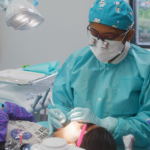
Wisdom teeth removal is one of the most common oral surgical procedures performed today. While the surgery itself is routine, proper care after the procedure is essential to ensure smooth healing and prevent complications. Following your dentist or oral surgeon’s instructions carefully can significantly reduce discomfort, promote faster recovery, and lower the risk of problems such as infection or dry socket. Understanding what to expect and how to care for the surgical site can make a big difference in your recovery process.
Understanding Wisdom Teeth Surgery
Wisdom teeth, also known as third molars, are the last set of teeth to develop and typically emerge between the ages of 17 and 25. In many cases, these teeth do not have enough space to grow properly, leading to impaction, infection, or crowding of nearby teeth. When this happens, dentists often recommend surgical removal.
During the procedure, the oral surgeon removes one or more wisdom teeth under local anesthesia, sedation, or general anesthesia. While the surgery itself is relatively straightforward, the healing process requires attention and care to avoid complications.
Common Post-Surgery Complications
Although most patients recover without issues, some complications can occur if proper aftercare is not followed. These include:
-
Dry socket: A painful condition where the blood clot at the extraction site becomes dislodged or dissolves before the wound heals.
-
Infection: Bacteria entering the extraction site can cause swelling, pain, and delayed healing.
-
Excessive bleeding: While minor bleeding is normal initially, prolonged bleeding may require attention.
-
Swelling and bruising: Some swelling is expected but can worsen if not managed properly.
-
Nerve irritation: Rarely, temporary numbness in the lips, tongue, or chin may occur if nearby nerves are affected.
Fortunately, most of these complications can be avoided by following proper post-operative care guidelines.
Follow Your Dentist’s Instructions Carefully
After wisdom teeth removal, your dentist or oral surgeon will provide detailed instructions for recovery. These guidelines are tailored to your specific procedure and should be followed closely. Ignoring these instructions or returning to normal activities too quickly can increase the risk of complications.
Take prescribed medications exactly as directed and attend any follow-up appointments scheduled by your dental professional.
Protect the Blood Clot
The blood clot that forms in the extraction site is essential for proper healing. It protects the bone and nerve endings underneath and helps new tissue form. If the clot becomes dislodged, a dry socket can develop, which causes severe pain and delays healing.
To protect the clot:
-
Avoid using straws for at least a week after surgery
-
Do not spit forcefully
-
Avoid vigorous rinsing during the first 24 hours
-
Refrain from smoking or using tobacco products
These activities create suction or pressure in the mouth that can dislodge the clot.
Manage Bleeding Properly
Some bleeding is normal for the first several hours after surgery. Your dentist will usually place gauze over the extraction site to control bleeding.
To manage bleeding:
-
Bite gently but firmly on gauze for 30–45 minutes
-
Replace the gauze if it becomes soaked with blood
-
Keep your head elevated when resting
If bleeding continues heavily after several hours, contact your dentist or oral surgeon for guidance.
Control Swelling and Discomfort
Swelling is a natural response to surgery and typically peaks within the first 48 hours. Applying ice packs to the outside of your face can help minimize swelling and discomfort.
Recommended practices include:
-
Apply ice packs for 15–20 minutes at a time during the first 24 hours
-
Use prescribed or over-the-counter pain relievers as directed
-
Rest and avoid strenuous activity for a few days
After the first 48 hours, warm compresses may help reduce lingering swelling.
Maintain Proper Oral Hygiene
Keeping your mouth clean after surgery is important to prevent infection, but it must be done gently to avoid disturbing the surgical site.
Helpful tips include:
-
Wait 24 hours before rinsing your mouth
-
Use a warm saltwater rinse to keep the area clean
-
Brush your teeth carefully, avoiding the extraction site
-
Avoid mouthwashes containing alcohol unless recommended by your dentist
Good oral hygiene helps reduce bacteria and supports faster healing.
Follow a Soft Food Diet
Eating the right foods after wisdom teeth surgery can prevent irritation and promote recovery. During the first few days, stick to soft foods that require minimal chewing.
Examples include:
-
Yogurt
-
Applesauce
-
Mashed potatoes
-
Smoothies (without a straw)
-
Scrambled eggs
-
Soup or broth
Avoid hard, crunchy, spicy, or sticky foods that could irritate the surgical site or become trapped in the wound.
Stay Hydrated
Drinking plenty of fluids is important for healing. Water is the best option, and it helps keep your mouth clean and hydrated.
However, avoid carbonated beverages, alcohol, and hot drinks during the early recovery period, as they can irritate the extraction site.
Avoid Smoking and Alcohol
Smoking significantly increases the risk of dry socket and infection after wisdom teeth surgery. Tobacco slows blood flow and interferes with the healing process. Dentists typically recommend avoiding smoking for at least 72 hours after surgery, though longer is even better.
Alcohol should also be avoided while taking pain medications or antibiotics, as it can interfere with healing and medication effectiveness.
Recognize Warning Signs
While mild discomfort, swelling, and limited jaw movement are normal after surgery, certain symptoms may indicate complications. Contact your dentist if you experience:
-
Severe or worsening pain several days after surgery
-
Persistent bleeding that does not improve
-
Fever or chills
-
Pus or foul odor from the extraction site
-
Difficulty swallowing or breathing
Prompt treatment can prevent minor issues from becoming serious complications.
Give Yourself Time to Heal
Recovery from wisdom teeth surgery varies from person to person. Most people begin to feel significantly better within three to five days, though complete healing of the gums may take several weeks.
Getting plenty of rest, maintaining a healthy diet, and avoiding strenuous activity during the early recovery period will help your body heal properly.
The Bottom Line
Wisdom teeth surgery is a common and generally safe procedure, but the recovery process plays a crucial role in preventing complications. Protecting the blood clot, maintaining gentle oral hygiene, managing swelling, and following your dentist’s instructions can greatly improve healing and reduce the risk of infection or dry socket.
By taking the right precautions and allowing your body time to recover, you can ensure a smoother healing process and return to normal activities with minimal discomfort. Proper aftercare not only protects your oral health but also helps you avoid unnecessary pain and additional dental treatments in the future.