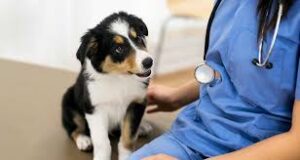

Desexing — the surgical removal of reproductive organs in dogs and cats — is one of the most common procedures performed in veterinary clinics. It’s routine, but routine doesn’t mean it should be treated casually. The days and hours before surgery matter just as much as the operation itself, and the choice between a traditional open procedure and a laparoscopic (keyhole) technique can shape your pet’s recovery. This guide covers what you need to know before admission day, in plain terms.
Why Fasting Matters Before Anaesthesia
General anaesthesia relaxes the muscles that normally keep stomach contents where they belong, including the valve at the top of the stomach. If a pet has food in its stomach when anaesthesia is induced, there’s a risk of regurgitation, and if that material enters the airway or lungs, it can cause aspiration pneumonia — a serious and sometimes life-threatening complication. Fasting reduces stomach volume and acidity, lowering this risk substantially.
For decades, the standard instruction was simply “nothing after midnight,” regardless of what time the surgery was actually scheduled. Veterinary anaesthesia guidance has moved on from that blanket rule. Prolonged fasting doesn’t make surgery safer — past a certain point it can work against your pet, particularly in small or young animals.
Current Fasting Guidelines
For adult dogs and cats
- Solid food: withhold for roughly 6–8 hours before the admission time given by your vet. A light evening meal the night before a morning admission is generally appropriate — a full fast from midnight for a midday or afternoon procedure is usually unnecessary and not recommended.
- Water: fresh water should stay available right up until you leave for the clinic, unless your vet specifically instructs otherwise. Water restriction is largely outdated practice and can leave a pet needlessly dehydrated before anaesthesia.
- Treats and scraps: stop these along with the main meal. It’s easy to forget a small treat counts, but any food in the stomach carries the same risk.
For puppies, kittens, and small-breed animals
Young and small-bodied animals have limited glycogen reserves and can become hypoglycaemic (dangerously low blood sugar) if fasted too long. Your vet may recommend a small meal only 3–4 hours before the appointment rather than an overnight fast. This is a case where more caution about fasting duration is the safer choice, not less. Never withhold food from a young or small pet for an extended period without specific guidance from your vet.
For pets with existing health conditions
Diabetic pets, animals on regular medication, and those with conditions such as reflux or megaoesophagus need an individually tailored plan. Always tell the clinic about any existing diagnoses or medications when you book, and follow their specific written instructions over any general rule of thumb.
Whatever the timing you’re given, the golden rule is the same: follow your own clinic’s instructions exactly. Fasting protocols vary between practices based on their anaesthetic drugs, admission times, and each patient’s individual risk factors, so a generic guideline is a starting point for conversation with your vet, not a replacement for it.
The Night Before and Morning Of Surgery
- Feed a normal-sized dinner the evening before, unless told otherwise.
- Remove access to other pets’ food bowls, bins, and any food left lying around overnight.
- Leave water down until you leave the house.
- Give a short toilet break before travelling, since your pet may not be walked again until the anaesthetic has fully worn off.
- Bathe dogs 1–2 days beforehand if needed, not on the morning of surgery — arriving wet can make it harder for them to maintain body temperature under anaesthesia. Bathing isn’t usually necessary for cats.
Laparoscopic vs. Traditional Desexing: What’s the Difference?
Once fasting is sorted, the other major decision — mainly relevant for female dogs, since cats and male animals of both species are almost always desexed via a small traditional incision — is which surgical technique your vet will use.
Traditional (open) surgery
This is the long-established method. The vet makes a single incision along the midline of the abdomen, through which the ovaries (and sometimes the uterus) are located, ligated, and removed. It’s well understood, doesn’t require specialised equipment, and is available at virtually every veterinary practice. The trade-off is a larger incision and more handling of internal tissue, which generally means a somewhat longer recovery and a higher chance of mild post-operative swelling or bruising.
Laparoscopic (keyhole) surgery
Here, the surgeon works through one to three small incisions, typically under a centimetre or two each, using a camera and fine instruments to visualise and remove the ovaries. Because the abdominal wall is disturbed far less and tissue handling is more precise, many pets experience less post-operative pain and a faster return to normal activity. It also gives the surgeon a magnified, well-lit view of the internal organs, which can be useful in animals with a more challenging body shape or in overweight patients.
The main considerations are cost and availability. Laparoscopic surgery requires specialised equipment and additional surgeon training, so it isn’t offered everywhere, and it typically costs more than the traditional approach. Procedure time can also be slightly longer, particularly while a surgeon is building experience with the technique, though this evens out over time.
Side-by-Side Comparison
|
Factor |
Traditional Surgery |
Laparoscopic Surgery |
|---|---|---|
|
Incision size |
One incision, 4–8 cm depending on pet size |
1–3 small incisions, typically 0.5–1.5 cm each |
|
Tissue trauma |
More handling of internal tissue |
Minimal handling; magnified visual guidance |
|
Typical recovery |
Standard, several days of restricted activity |
Often faster, less visible discomfort |
|
Availability |
Offered at nearly all clinics |
Limited to clinics with the equipment and training |
|
Cost |
Generally lower |
Generally higher |
|
Best suited to |
Most healthy pets, including cats and male animals |
Female dogs, particularly larger or overweight patients |
Which Option Is Right for Your Pet?
Neither approach is universally “better” — both are safe, established procedures when performed by a qualified vet. Laparoscopic surgery tends to appeal to owners of larger female dogs, working or highly active dogs that need to return to exercise sooner, or anxious owners who want to minimise visible wound care at home. Traditional surgery remains an excellent, well-proven choice for the vast majority of pets, and is the only realistic option for cats and for male dogs, where the procedure is already minimally invasive by nature.
The best approach is to ask your vet directly which technique they offer, what it costs, and what recovery will look like for your particular pet’s age, breed, and temperament. A good clinic will walk you through the reasoning rather than defaulting to one method without discussion.
Final Checklist Before Surgery Day
- Confirm the exact fasting window and admission time with your clinic in writing.
- Flag any medications, allergies, or existing conditions before the day.
- Ask which surgical technique will be used and why.
- Arrange a quiet, confined space at home for recovery, away from stairs and other pets.
- Keep the clinic’s after-hours number handy in case you notice swelling, discharge, or unusual behaviour post-surgery.
Desexing day can feel stressful for a pet owner, even when the procedure itself is routine for the clinic team. Getting the fasting window right and understanding your surgical options in advance are two of the simplest ways to walk in feeling prepared — and to help your pet have the smoothest possible recovery.