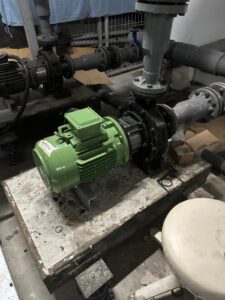

A swimming pool pump works quietly behind the scenes, but it plays one of the most important roles in keeping your pool clean and comfortable. It moves water through the filtration system, supports proper chemical circulation and helps prevent stagnant areas where dirt and algae can build up.
When the pump starts making unusual noises, loses pressure or stops circulating water properly, many pool owners face the same question: should the pump be repaired, or is it time for a pool pump replacement?
For homeowners, condominium management teams and commercial property managers in Singapore, understanding the difference can help prevent unnecessary costs while keeping the pool system operating reliably.
Why Is Your Swimming Pool Pump So Important?
Think of the pool pump as the heart of the circulation system.
Water is drawn from the swimming pool and moved through the filtration equipment before being returned to the pool. When this process works properly, debris can be filtered out and treated water can circulate evenly throughout the swimming area.
A faulty pump can quickly affect the entire system.
You may notice weaker circulation, cloudy water, difficulty maintaining water quality or increasing pressure on other pool equipment. Addressing these problems early can often prevent a relatively small pump issue from becoming a more expensive repair.
Common Signs Your Pool Pump Needs Attention
Pool pumps rarely fail without warning. There are usually signs that something is beginning to go wrong.
One of the most common problems is unusual noise. Grinding, rattling, buzzing or humming sounds can indicate worn bearings, a struggling motor or an obstruction inside the pump.
Weak water flow is another warning sign. If the return jets appear weaker than normal, the pump may have difficulty maintaining proper circulation.
Other problems to watch for include:
- Water leaking around the pump housing
- Pump repeatedly switching off or tripping
- Difficulty getting the pump to start
- Air bubbles appearing in the circulation system
- Excessive vibration
- Pump overheating during operation
- Inconsistent water pressure
If these symptoms appear, arranging professional swimming pool pump repair early can help identify the actual cause before further damage occurs.
When Is Swimming Pool Pump Repair the Better Choice?
Not every faulty pump needs to be replaced.
In many cases, one damaged component may be responsible for the problem while the rest of the pump remains in good condition.
For example, technicians may discover worn seals, damaged bearings, faulty gaskets, blocked impellers or minor electrical problems. Repairing or replacing the affected component can restore normal operation without requiring a completely new pump.
Professional diagnosis is important because similar symptoms can have different causes.
Weak circulation, for instance, could come from the pump itself, but it may also be related to a blockage, damaged component or another part of the filtration system.
A proper inspection allows the technician to identify the root cause rather than simply replacing parts based on guesswork.
When Should You Consider Pool Pump Replacement?
There comes a point when repeatedly repairing an ageing pump becomes less practical.
A pool pump replacement may be worth considering when the motor has suffered major damage, the pump housing is cracked, important replacement components are difficult to obtain or previous repairs have failed to provide reliable performance.
Replacement can also make sense when an older pump requires increasingly frequent servicing.
Instead of looking only at the immediate repair price, consider the longer-term cost. Paying for several repairs over a short period may eventually cost more than installing a suitable replacement pump.
The best decision therefore depends on several factors:
- Age and condition of the existing pump
- Type and severity of the fault
- Availability of replacement components
- Frequency of previous breakdowns
- Repair cost compared with replacement
- Compatibility of a new pump with the existing pool system
A qualified pool technician should assess these factors before recommending replacement.
What Happens During a Professional Pump Inspection?
Reliable pump servicing should begin with diagnosis rather than immediate replacement.
A technician may inspect the pump housing, seals and impeller for visible damage or blockage. The system can also be checked for leaks, corrosion and abnormal operating sounds.
Pressure and water flow should then be tested to determine whether the pump is circulating water effectively.
Depending on the problem, damaged components such as bearings, seals or gaskets may be replaced before the complete system is tested again.
This structured process helps determine whether repair will provide a dependable solution or whether replacement offers better long-term value.
Choosing a Pool Pump Service in Singapore
Singapore’s warm climate means swimming pools may be used throughout much of the year, making dependable circulation particularly important.
When choosing a contractor for swimming pool pump repair, look for a team that can properly diagnose the system rather than immediately recommending expensive replacement work.
Clear communication matters as well. You should understand what has failed, what can be repaired, what needs replacing and the expected cost before work begins.
KCN Pool Services provides pool pump inspection, repair and replacement services for swimming pools in Singapore. The team assesses pump condition and circulation performance before recommending the appropriate solution for the system.
Keep Small Pump Problems From Becoming Bigger Ones
Ignoring a noisy or underperforming pump can affect more than the equipment itself. Poor circulation can eventually contribute to cloudy water, filtration problems and additional strain on the swimming pool system.
Early inspection gives you more options.
If the pump is still in reasonable condition, targeted repairs may restore its performance. If repairs are no longer economical, a properly planned pool pump replacement can provide a more reliable long-term solution.
If your swimming pool pump is leaking, making unusual noises or struggling to maintain proper circulation, contact KCN Pool Services for a professional assessment and find out whether repair or replacement is the right next step for your pool.