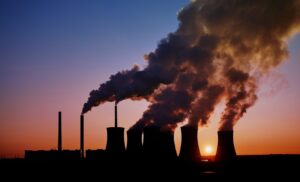

Air pollution is made up of many different particles, but PM2.5 and PM10 are two of the most commonly discussed because of their direct impact on human health. PM stands for “particulate matter,” and the numbers refer to the particle size in micrometers. Although both are harmful, PM2.5 is generally considered more dangerous due to its ability to penetrate deeper into the lungs and even enter the bloodstream. Understanding the difference between these two pollutants is crucial for protecting your health, improving indoor air quality, and making informed choices about air purification.
Understanding the Difference Between PM2.5 and PM10
Particle Size and Composition
PM10 refers to particles that are 10 micrometers or smaller. These include dust, pollen, mold spores, and other large airborne particles. While PM10 can still cause breathing problems, it is easier for the body to filter and block because of its larger size.
PM2.5, on the other hand, consists of extremely tiny particles—2.5 micrometers or smaller. These particles are often released from vehicle emissions, industrial activities, burning of fuels, smoke, and chemical reactions in the atmosphere. Because they are microscopic, PM2.5 particles can bypass the body’s natural defenses and settle deep inside the lungs.
How Far They Travel in the Air
PM10 particles are heavier and tend to settle quickly, especially indoors where air circulation is limited. PM2.5 particles are so light that they can stay suspended in the air for hours or even days, spreading across large distances. This means that even if you live far from industrial zones or busy roads, you can still be exposed to PM2.5 pollution from surrounding areas.
Health Risks Associated with PM2.5 and PM10
Effects of PM10 on the Body
PM10 particles mainly irritate the upper respiratory system. People exposed to high levels of PM10 may experience sneezing, runny nose, coughing, and throat irritation. Those with asthma, allergies, or sinus problems are especially sensitive. While PM10 can worsen pre-existing conditions, it is less likely than PM2.5 to cause severe long-term health damage because it does not penetrate deeply into the lungs.
Why PM2.5 Is Considered More Dangerous

PM2.5 is dangerous because of its small size and chemical composition. These particles enter the lungs, and in many cases, pass directly into the bloodstream. Once inside, they can travel to the heart, brain, and other organs, increasing the risk of serious diseases. PM2.5 exposure is linked to heart attacks, strokes, lung cancer, chronic bronchitis, and reduced lung function. Children, elderly individuals, and those with weakened immune systems are especially vulnerable.
These tiny particles also cause inflammation throughout the body, leading to fatigue, headaches, difficulty breathing, and reduced focus. Long-term exposure can shorten life expectancy and increase the likelihood of chronic health issues.
How to Reduce Exposure to PM2.5 and PM10
Improve Indoor Air Quality
Most people believe outdoor pollution is the main problem, but indoor air can contain high levels of PM2.5 and PM10 due to cooking, smoking, dust buildup, candles, and poor ventilation. Improving indoor air quality is essential, especially for homes with children or elderly family members. Regular cleaning, proper ventilation, and minimizing dust-producing items can greatly reduce exposure.
The Role of Air Purifiers in Reducing Pollution
One of the most effective ways to reduce particulate pollution indoors is by using a high-quality air purifier. Air purifiers equipped with HEPA filtration technology can capture both PM2.5 and PM10 particles, removing harmful pollutants from the air you breathe. This helps reduce respiratory issues, improve sleep, enhance productivity, and create a healthier living environment.
In conclusion, both PM2.5 and PM10 are harmful, but PM2.5 poses a greater risk due to its size and ability to enter the bloodstream. To protect your health and improve indoor air quality, an efficient air purifier is essential. Airofry Purifier provides powerful solutions to help reduce airborne pollutants and create a safer, cleaner home environment.