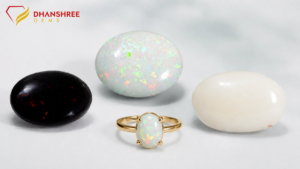

Opal is one of the most fascinating gemstones in the world, admired for its vibrant play of color and natural beauty. Known as the “Queen of Gemstones,” Opal has been treasured for centuries for its elegance, rarity, and astrological significance. Whether you’re purchasing an Opal for jewelry, as a collectible, or for Vedic astrology, choosing a genuine stone is essential. This Opal Stone Buying Guide (2026) explains the most important factors to consider before making your purchase, helping you invest in an authentic gemstone with confidence.
What Is an Opal Stone?
Opal is a naturally occurring gemstone formed from hydrated silica. Unlike diamonds, rubies, or sapphires, Opal is famous for its unique “play-of-color,” where flashes of multiple colors appear when viewed from different angles. Every natural Opal has a distinctive color pattern, making each stone completely unique.
Opal is associated with the planet Venus in Vedic astrology and is believed to symbolize creativity, harmony, luxury, love, and emotional balance. It is commonly recommended for people born under the Libra and Taurus zodiac signs.
1. Verify That the Opal Is Natural
The first and most important step is confirming that the gemstone is natural. The market contains synthetic Opals, imitation stones, and treated varieties that may resemble genuine Opal but do not have the same value.
Ask the seller whether the stone is natural and request a certificate from a recognized gemological laboratory. Certification confirms the authenticity, origin, and quality of the gemstone.
2. Examine the Play-of-Color
The defining characteristic of an Opal is its play-of-color. High-quality Opals display bright flashes of colors such as blue, green, orange, red, and violet that change as the stone moves.
A gemstone with vivid, evenly distributed colors is generally more valuable than one with a dull or limited color display. Always examine the Opal under natural light whenever possible.
3. Understand Different Types of Opal
Natural Opals are available in several varieties, each with its own characteristics.
- White Opal
- Black Opal
- Fire Opal
- Crystal Opal
- Boulder Opal
- Ethiopian Opal
- Australian Opal
Black Opals are among the rarest and most valuable due to their dramatic color contrast. White Opals remain popular because of their affordability and classic appearance.
4. Check Clarity and Surface Condition
Although minor natural inclusions are acceptable, a quality Opal should have a smooth surface without obvious cracks, chips, or deep scratches. Surface damage can reduce both the beauty and durability of the gemstone.
Inspect the stone carefully using good lighting before making a purchase.
5. Compare Opal Stone Price
The Opal stone price depends on several important factors, including:
- Origin
- Brightness of color
- Pattern
- Transparency
- Body tone
- Carat weight
- Shape and cut
- Certification
Instead of focusing only on the lowest price, compare the overall quality and authenticity of different gemstones. A genuine Opal offers better long-term value than a cheaper imitation.
6. Buy Certified Gemstones Only
Certification provides confidence that the gemstone has been professionally evaluated. A certificate typically includes information about the gemstone’s weight, dimensions, natural origin, and any treatments.
Buying certified gemstones also increases trust when purchasing online.
7. Choose a Trusted Seller
A reputable gemstone dealer provides detailed product information, transparent pricing, genuine photographs, customer support, and proper certification.
Before purchasing, review the seller’s reputation, customer feedback, return policy, and available certifications. Buying from an experienced gemstone retailer significantly reduces the risk of receiving imitation stones.
8. Consider Your Purpose
Not every Opal is purchased for the same reason.
If you’re buying an Opal for jewelry, focus on appearance, durability, and craftsmanship. If you’re purchasing for astrology, consult a qualified astrologer regarding the recommended weight and suitability according to your birth chart.
Knowing your purpose helps you choose the right gemstone.
9. Proper Care and Maintenance
Natural Opals are softer than many other gemstones and require careful handling.
To keep your Opal looking beautiful:
- Store it separately from harder gemstones.
- Clean it using a soft cloth and mild soap.
- Avoid harsh chemicals and ultrasonic cleaners.
- Protect it from sudden temperature changes.
- Remove Opal jewelry before heavy physical activities.
Proper maintenance helps preserve its natural brilliance for years.
Why More Buyers Choose Certified Opals in 2026
As online gemstone shopping continues to grow, buyers are becoming more aware of authenticity and certification. They increasingly prefer transparent sellers who provide high-quality images, detailed specifications, and laboratory certification.
Choosing a certified natural Opal not only protects your investment but also ensures you’re receiving a gemstone with genuine beauty and lasting value.
For those seeking authentic gemstones, Dhanshree Gems offers a carefully selected collection of certified natural Opals suitable for jewelry and astrological purposes. Purchasing from a trusted gemstone specialist gives buyers greater confidence in the authenticity and quality of every stone.
Final Thoughts
Buying an Opal is more than selecting a beautiful gemstone—it’s about making an informed decision. By checking authenticity, certification, play-of-color, clarity, origin, and overall quality, you can confidently choose a gemstone that matches your needs and budget.
Use this Opal Stone Buying Guide (2026) as your reference before purchasing. A genuine natural Opal combines exceptional beauty, individuality, and long-term value, making it a timeless addition to any gemstone collection.