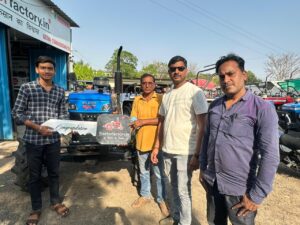

There’s a certain sound a tractor makes early in the morning that people from farming families instantly recognize. It’s not just engine noise. It’s routine, responsibility, and honestly… survival for many homes. I grew up watching tractors do everything from ploughing fields to carrying sugarcane, bricks, water tanks, even wedding tents once. In villages, a tractor is rarely treated like a vehicle. It becomes part of the family business.
Over the years, farming methods have changed fast. Weather patterns feel less predictable now, labor costs keep rising, and landowners want work done quicker than before. Still, one thing hasn’t lost its importance — a reliable tractor. Whether it’s a small 20 HP machine for narrow fields or a heavy-duty model pulling loaded trolleys on rough village roads, tractors continue to sit right at the center of Indian agriculture.
The Tractor Changed Farming in Ways People Don’t Always Notice
Older farmers still talk about the days of bullock ploughing. Work that now takes three hours once consumed an entire day. And if rain arrived unexpectedly, crops suffered because land preparation simply couldn’t happen fast enough. The arrival of tractors didn’t just reduce physical effort; it changed timing. That’s the part many people overlook.
A farmer who prepares land on time usually gets better sowing conditions. Better sowing often means stronger crop growth. The difference starts right from the soil.
Modern tractors also help in tasks beyond cultivation. Rotavators, seed drills, cultivators, threshers — all these attachments save enormous labor. In many villages, one tractor serves multiple farms. People rent them by the hour during peak season, especially during wheat sowing or paddy harvesting periods.
And honestly, if you’ve ever seen a tractor working through wet soil after the first monsoon shower, you understand why farmers depend on them so heavily. There’s urgency in agriculture. Delays cost money.
Indian Roads Tell Their Own Tractor Story
One funny thing about tractors in India is that they rarely stay inside farms. You’ll spot them everywhere — highways, mandi roads, village lanes, construction sites. Sometimes overloaded, sometimes decorated with colored ribbons or political stickers.
That versatility is one reason tractors remain such a practical investment.
In smaller towns, tractors are used to transport sand, crops, pipes, animal feed, and sometimes entire families during festivals. Many owners earn extra income during off-season months by attaching trollies and taking transport work. A good tractor doesn’t remain idle for long.
I once met a farmer near Jabalpur who laughed while saying, “My tractor works more than I do.” He was joking, obviously, but there was truth behind it. The machine had become the backbone of his yearly income.
Choosing the Right Tractor Is Not as Simple as Horsepower
People who’ve never used tractors usually think bigger horsepower means better performance. That’s only partly true. In real farming conditions, the “right” tractor depends on land size, soil type, crop pattern, and even road conditions nearby.
For example, a compact tractor works better in orchards or smaller plots because turning space matters. But in larger wheat fields, farmers usually prefer higher horsepower machines that can pull wider implements and finish work faster.
Fuel efficiency matters too. Farmers notice diesel consumption very carefully. A tractor that saves fuel over several years can make a massive financial difference. That’s why experienced buyers don’t only listen to brochures. They ask neighbors. They observe local mechanics. They see which tractor starts easily during winter mornings.
And maintenance… that part becomes critical after a few years.
A machine may look attractive in the showroom, but if spare parts are difficult to find locally, owners suffer later. Rural buyers are practical people. Flashy features don’t impress them for long.
Second-Hand Tractors Have a Huge Market for a Reason
There’s something interesting about the used tractor market in India — demand rarely disappears. Even older tractors, if maintained properly, continue working for years. In fact, some farmers trust old machines more than newer models because repairs feel simpler and cheaper.
A well-maintained used tractor can still perform heavy-duty farm work without major trouble. That’s why many first-time buyers start with second-hand options. It reduces financial pressure while still improving farm productivity.
You can often tell how a tractor was treated just by looking at the tires, hydraulic lift response, engine smoke, and clutch feel. Experienced farmers inspect machines almost like doctors examining patients. They notice sounds immediately.
One mechanic I spoke to once tapped a tractor engine lightly and said, “This one has worked hard but honestly.” Strange sentence, but I understood exactly what he meant.
Technology Is Entering Tractors Slowly, But Surely
Modern tractors today look very different compared to older models from fifteen or twenty years ago. Power steering, oil-immersed brakes, comfortable seats, digital instrument panels — many features once considered luxury are becoming common now.
Some premium tractors even include GPS guidance and precision farming support. Though these technologies are more common in larger farms, the shift has started.
Still, Indian farmers usually value durability over fancy electronics. Dust, heat, muddy conditions, and rough roads test every machine harshly. Features matter, yes, but reliability matters more.
That’s probably why tractors with strong service networks continue performing well in the market. Farmers want peace of mind. They need mechanics nearby during urgent agricultural seasons.
And honestly, when harvest time is approaching, nobody wants software complications. They just want the tractor to start on the first self.
Tractor Ownership Carries Emotional Value Too
This part doesn’t get discussed enough.
For many rural families, buying a tractor represents progress. It’s often one of the biggest purchases they ever make. Some farmers remember the exact date their tractor arrived home. Families distribute sweets. Kids climb onto the seat immediately. Photos get taken from every angle.
There’s pride attached to ownership.
In villages, tractors sometimes symbolize independence because farmers no longer depend entirely on rented equipment. They can work according to their own schedule. That freedom changes confidence levels too.
I’ve seen owners wash tractors carefully after muddy fieldwork, almost the way people clean personal cars in cities. They repaint faded body panels, replace lights, polish mirrors. Machines develop personality after years of use. Sounds odd maybe, but rural India understands this attachment well.
Farming Challenges Are Growing, and Tractors Are Adapting
Agriculture today isn’t easy. Rising fuel prices, uncertain rainfall, labor shortages, and fluctuating crop prices create constant pressure. Farmers need machines that reduce effort while improving efficiency.
This is where tractors continue evolving.
Manufacturers are now building models designed for specific farming conditions — narrow tractors for vineyards, lightweight tractors for soft soil, powerful tractors for commercial haulage. There’s more specialization than before.
Electric tractors are also slowly entering conversations, though widespread adoption may take time due to charging infrastructure and cost concerns. Still, the idea is gaining attention, especially as diesel expenses rise every year.
At the same time, many farmers remain cautious about rapid change. Rural buyers usually trust proven performance over marketing promises. And honestly, that caution makes sense. A tractor is not a casual purchase. It’s a long-term working partner.
The Bond Between Farmers and Tractors Feels Different
If you spend enough time in farming communities, you realize tractors are woven into daily life in ways outsiders may never fully notice. They stand beside tube wells during summer afternoons, carry harvests during busy seasons, and sometimes remain parked quietly under neem trees after years of loyal work.
People remember the tractors that helped them through difficult seasons.
They remember machines that kept running during unexpected rain, during late-night harvesting, during financial struggles. That kind of reliability creates emotional connection. Maybe that sounds dramatic for a machine, but rural life often builds relationships with tools differently.
And despite all the technological change happening around agriculture, the tractor still remains one of the few machines that genuinely transformed farming at ground level. Not through advertisements. Through actual work. Day after day.
You can replace many things in agriculture. But replacing the role of a dependable tractor? That’s still hard to imagine.