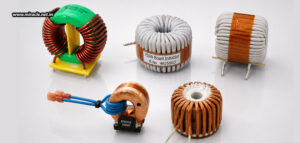

Inductors are essential components in modern electronic systems, supporting energy storage, current regulation, filtering, and electromagnetic interference suppression. While standard inductors suit many general applications, specialized industries often require customized solutions to meet unique electrical, thermal, and mechanical demands. Custom inductor design enables engineers to optimize magnetic performance, dimensions, thermal characteristics, and material selection for specific operating conditions. Used in sectors such as aerospace, medical electronics, renewable energy, telecommunications, and electric vehicles, custom inductors help ensure reliable and efficient performance. Developing these inductors requires expertise in magnetic design, precision manufacturing, advanced materials, and rigorous testing to achieve consistent operation in demanding environments.
Why specialized applications require custom inductor design
Modern electronic systems are becoming increasingly compact, powerful, and application-specific. As a result, the operating conditions for inductors vary significantly across industries. A standard inductor may not provide the required combination of current handling capacity, thermal stability, durability, and performance for a specialized application. For example, an inductor designed for an electric vehicle powertrain is required to tolerate high currents, vibration, and elevated temperatures over long operating periods. On the other hand, inductors for medical electronics may require low electromagnetic interference, precision performance, and operational reliability in sensitive diagnostic equipment. Both these scenarios may not be adequately supported by standard inductors, making custom inductor design essential for achieving application-specific performance and reliability. Custom inductor design enables manufacturers to optimize the component for these exact operating conditions, rather than forcing the system to adapt to a standard product.
Understanding the design challenges in specialized applications
- Electrical performance requirements
Different applications have different electrical demands to be fulfilled. Some systems require very stable inductance, while others focus more on reducing power losses or handling high currents without reaching magnetic saturation. In high-current applications, inductors must continue operating efficiently under heavy electrical loads without overheating or losing inductance. In high-frequency circuits, reducing core losses and winding losses becomes important to maintain efficiency and stable performance. These requirements must also be balanced with factors such as ripple current, switching frequency, voltage requirements, DC bias conditions, and electromagnetic compatibility.
- Thermal and environmental conditions
Temperature has a direct influence on magnetic permeability, winding resistance, and insulation integrity. Specialized applications often expose inductors to extreme thermal environments where standard designs may fail. For example, automotive electronics experience continuous thermal cycling, industrial systems operate in high ambient temperatures, and outdoor renewable energy equipment faces variable environmental conditions. All of these have different inductor requirements. Moreover, other environmental conditions like humidity, dust, vibration, and mechanical shock also need to be considered.
- Space and integration constraints
Most modern systems are compact and call for miniaturized components. This places pressure on inductor manufacturers to reduce component size without compromising performance. Miniaturization introduces several design challenges – reduced core size raises magnetic flux density, limited winding space affects current handling capability, and higher power density increases heat concentration. A balance between size, efficiency, and thermal performance is thus required.
Material selection in custom inductor design
Material selection is one of the most critical aspects of custom magnetic component engineering.
- Different magnetic materials offer specific advantages depending on the application requirements. Ferrite materials are commonly used for high-frequency circuits, powdered iron cores improve DC bias tolerance, while nanocrystalline and amorphous materials support low core losses and high efficiency.
- The winding conductor directly affects copper losses and thermal behaviour within the inductor. High-purity copper is commonly preferred because of its low electrical resistance, while specialized conductor configurations help reduce AC losses in high-frequency applications.
- Insulation materials must be carefully selected to withstand thermal stress, voltage demands, and environmental exposure during operation. In specialized applications, reliable insulation is equally important for maintaining safety, durability, and long-term electrical performance.
Optimizing geometry and coil structure
The physical geometry of an inductor significantly affects its electrical, magnetic, and thermal characteristics. For instance, toroidal cores are often used when low electromagnetic interference and efficient magnetic containment are required, while planar inductors are used in compact power electronics as they provide low-profile construction and efficient thermal paths. Custom geometry design allows manufacturers to optimize magnetic flux distribution, heat dissipation, mechanical stability, space utilization, and mounting compatibility.
Thermal management
Excessive heat affects efficiency, accelerates insulation aging, and alters magnetic properties, while extremely low temperatures can reduce material flexibility and affect magnetic performance. Heat management is therefore important for maintaining reliable and stable inductor operation. Custom thermal design focuses on minimizing losses while improving heat dissipation. This may involve optimized winding layouts, improved airflow paths, thermally conductive encapsulation materials, and PCB-integrated thermal transfer solutions. Effective thermal management ensures stable operation and extends the operational lifespan of the inductor.
Partnering with the right manufacturer
Selecting the right manufacturer is an important part of developing custom inductors for specialized applications. A reliable manufacturing partner should have expertise in magnetic design, material selection, thermal management, and precision production processes to ensure consistent electrical performance and long-term reliability. Equally important are testing capabilities, quality control standards, and the ability to adapt designs according to specific application requirements. Manufacturers serving industries like power electronics, automotive systems, telecommunications, and industrial equipment must also ensure consistency across production volumes. Miracle Electronics is recognized as an inductor manufacturer in India exporter to USA, supporting global industries with custom magnetic components designed for specialized applications. Our focus on engineering precision and consistent manufacturing helps meet the evolving demands of modern electronic systems.
Custom inductor design plays a critical role in meeting the evolving demands of specialized electronic applications. As industries continue to push toward higher efficiency, greater power density, compact integration, and improved reliability, standard magnetic components are often no longer sufficient. By tailoring material selection, geometry, thermal performance, and electrical characteristics to specific operating conditions, manufacturers can develop inductors that deliver optimized and dependable performance in even the most demanding environments. Successful custom inductor development requires a combination of advanced engineering, precision manufacturing, and rigorous testing. When these elements are carefully integrated, custom inductors become essential enablers of innovation across modern power electronics, industrial systems, transportation technologies, and advanced electronic infrastructure.