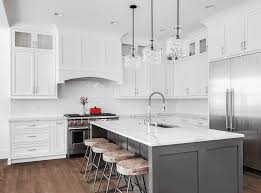

A kitchen renovation is one of the most rewarding home improvement projects you can undertake. The kitchen is often the heart of the home, where meals are prepared, families gather, and memories are created. Renovating your kitchen can improve functionality, enhance the appearance of your home, and even increase property value. However, without proper planning, a kitchen renovation can quickly become stressful and expensive.
To ensure a smooth and successful renovation, homeowners should focus on three key factors: setting a realistic budget, creating a functional design, and establishing a practical timeline. Understanding these elements will help you manage your project effectively and achieve the kitchen you envision.
Setting a Realistic Renovation Budget
Budget planning is the foundation of any successful kitchen renovation. Costs can vary widely depending on the size of the kitchen, the materials used, and the complexity of the renovation.
When building your renovation budget, consider the following major expenses:
-
Cabinets and storage solutions
-
Countertops
-
Appliances
-
Flooring
-
Lighting and electrical upgrades
-
Plumbing improvements
-
Labor and installation costs
It is also wise to set aside an additional 10–20% of your budget for unexpected expenses. During renovations, issues such as outdated wiring, hidden water damage, or structural adjustments may arise. A contingency fund ensures that these problems do not derail your project.
Prioritizing essential upgrades over cosmetic changes can also help keep costs under control while still improving the functionality of your kitchen.
Designing a Functional Kitchen Layout
Design is one of the most exciting parts of a kitchen renovation, but it should go beyond aesthetics. A well-designed kitchen must be practical and efficient for everyday use.
A commonly used design concept is the kitchen work triangle, which focuses on the optimal positioning of the three most important kitchen areas: the sink, stove, and refrigerator. Proper spacing between these elements allows for easier movement and more efficient cooking.
Popular kitchen layouts include:
L-Shaped Kitchen
This layout uses two connected walls and works well in open-concept homes. It offers flexibility and allows space for a dining area or kitchen island.
U-Shaped Kitchen
A U-shaped layout surrounds the user with cabinets and countertops on three sides, providing ample storage and workspace.
Galley Kitchen
This layout features two parallel counters with a walkway between them. It is ideal for smaller kitchens because it maximizes efficiency in compact spaces.
Island Kitchen
Adding a kitchen island provides extra counter space, additional storage, and sometimes seating. Islands are especially popular in modern kitchen designs.
Choosing the right layout depends on the size of your kitchen, your cooking habits, and how the space connects with the rest of your home.
Choosing Quality Materials
The materials you select will influence both the appearance and durability of your kitchen. Investing in high-quality materials ensures that your kitchen remains attractive and functional for many years.
Cabinets
Cabinets are often the most significant expense in a kitchen renovation. Options include stock cabinets, semi-custom designs, and fully custom cabinets. Solid wood and plywood constructions tend to offer greater durability.
Countertops
Popular countertop materials include quartz, granite, marble, and laminate. Quartz and granite are especially popular due to their durability and low maintenance.
Flooring
Kitchen flooring should be able to withstand heavy foot traffic, spills, and moisture. Tile, vinyl, laminate, and engineered hardwood are common choices.
Backsplash
A backsplash protects the wall from splashes while adding style to the kitchen. Tile backsplashes are widely used because they are durable and easy to clean.
Selecting materials that balance style, durability, and maintenance requirements will help ensure long-term satisfaction with your renovation.
Creating a Practical Renovation Timeline
Kitchen renovations involve multiple stages, and understanding the typical timeline helps homeowners plan accordingly. Depending on the size and complexity of the project, renovations can take several weeks or even a few months.
A typical renovation timeline may include:
1. Planning and Design (2–4 weeks)
This phase includes setting the budget, finalizing the layout, choosing materials, and hiring contractors.
2. Ordering Materials (2–6 weeks)
Cabinets, appliances, and custom items often require time for manufacturing and delivery.
3. Demolition (1 week)
Old cabinets, countertops, flooring, and appliances are removed to prepare for construction.
4. Construction and Installation (4–8 weeks)
This stage includes plumbing and electrical work, cabinet installation, flooring, countertops, and appliance placement.
5. Finishing Touches (1–2 weeks)
Painting, backsplash installation, lighting fixtures, and final inspections are completed.
Delays can occur due to supply shortages or unexpected repairs, so it is important to maintain flexibility in your schedule.
Hiring the Right Professionals
Although some homeowners attempt DIY renovations, hiring experienced professionals often leads to better results. Kitchen designers, contractors, electricians, and plumbers bring valuable expertise to the project.
A professional kitchen designer can help optimize your layout and recommend materials that suit your style and budget. Contractors coordinate construction tasks and ensure that all work meets building codes and safety standards.
Working with reliable professionals helps prevent costly mistakes and ensures that the renovation progresses smoothly.
Planning for Storage and Organization
Storage is one of the most important aspects of a functional kitchen. During your renovation, consider adding smart storage solutions to make your kitchen more organized and efficient.
Some popular storage features include:
-
Pull-out pantry shelves
-
Deep drawers for pots and pans
-
Corner cabinet organizers
-
Built-in recycling bins
-
Vertical storage for baking sheets and trays
These solutions help maximize available space while keeping countertops clutter-free.
Adding Personal Style
While functionality is essential, your kitchen should also reflect your personal taste. Color schemes, cabinet finishes, lighting fixtures, and decorative elements all contribute to the overall style of the space.
Many homeowners choose neutral tones such as white, gray, or natural wood for a timeless look, while accent colors and decorative lighting add personality.
Combining classic design elements with modern features can create a kitchen that feels both stylish and comfortable.
Conclusion
A successful toronto kitchen renovation requires thoughtful planning and careful decision-making. By focusing on three key factors—budget, design, and timeline—homeowners can manage their renovation project more effectively.
Setting a realistic budget, selecting durable materials, designing a functional layout, and working with experienced professionals can help ensure a smooth renovation process. With proper planning and attention to detail, a kitchen renovation can transform your space into a beautiful and highly functional area that enhances your home and daily life for years to come.