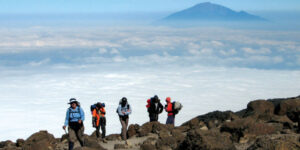

Mount Kilimanjaro is one of the world’s most iconic trekking destinations. Rising to 5,895 meters (19,341 feet) above sea level, this freestanding volcanic mountain in Tanzania attracts thousands of climbers every year. One of the most important decisions for anyone planning a Kilimanjaro expedition is selecting the right route.
Each Kilimanjaro route offers a unique combination of scenery, difficulty, acclimatization opportunities, summit success rates, and overall trekking experience. Understanding the differences between these routes can help climbers choose the option that best matches their fitness level, schedule, and adventure goals.
Why Choosing the Right Kilimanjaro Route Matters
While climbing Mount Kilimanjaro does not require technical mountaineering skills, the trek is physically demanding due to altitude gain and changing weather conditions. The route you select significantly impacts your chances of reaching Uhuru Peak successfully.
Factors to consider include:
- Route length
- Altitude acclimatization profile
- Scenic diversity
- Crowd levels
- Physical difficulty
- Cost and logistics
- Camping versus hut accommodations
A well-chosen route can improve comfort, safety, and summit success rates.
Overview of the Main Kilimanjaro Routes
There are seven primary routes used to climb Mount Kilimanjaro:
- Marangu Route
- Machame Route
- Lemosho Route
- Shira Route
- Rongai Route
- Northern Circuit Route
- Umbwe Route
Each route approaches the mountain from a different direction and offers distinct experiences.
Marangu Route
The Marangu Route is often called the “Coca-Cola Route” because it is the oldest and most established path on Kilimanjaro.
Key Features
- Approaches from the southeast
- Typically completed in 5–6 days
- Only route with hut accommodations
- Moderate terrain
- Popular among first-time climbers
Advantages
- Comfortable sleeping huts
- Simpler logistics
- Suitable for trekkers who prefer not to camp
Disadvantages
- Lower acclimatization time
- Lower summit success rates on the 5-day itinerary
- Heavy traffic during peak seasons
The Marangu Route is ideal for climbers seeking basic comfort and a shorter trek.
Machame Route
The Machame Route is one of the most popular and scenic Kilimanjaro routes.
Key Features
- Approaches from the southwest
- Usually completed in 6–7 days
- Camping route
- Excellent scenery and acclimatization
Advantages
- High summit success rates
- Diverse landscapes
- Good balance of challenge and reward
Disadvantages
- More physically demanding
- Can become crowded during high season
The Machame Route is often recommended for reasonably fit climbers looking for a strong chance of reaching the summit.
Lemosho Route
Many experienced guides consider the Lemosho Route one of the best overall Kilimanjaro routes.
Key Features
- Starts on the western side of the mountain
- Usually takes 7–8 days
- Excellent acclimatization profile
- Spectacular scenery
Advantages
- High summit success rates
- Lower initial crowd levels
- Diverse ecosystems and panoramic views
Disadvantages
- Slightly higher cost
- Longer itinerary required
The Lemosho Route is frequently regarded as the best option for climbers prioritizing success, scenery, and overall experience.
Shira Route
The Shira Route closely resembles the Lemosho Route after the initial stages.
Key Features
- Begins at a higher elevation
- Western approach
- Usually completed in 7–8 days
Advantages
- Beautiful landscapes
- Good acclimatization opportunities after the first day
Disadvantages
- Higher starting altitude can affect acclimatization
- Less suitable for beginners
Because climbers begin at a relatively high elevation, the Shira Route is generally better suited for experienced trekkers.
Rongai Route
The Rongai Route approaches Kilimanjaro from the northern side near the border with Kenya.
Key Features
- Less crowded route
- Typically completed in 6–7 days
- Drier conditions than southern routes
Advantages
- Quieter trails
- Unique northern scenery
- Good option during rainy seasons
Disadvantages
- Less scenic overall
- Fewer dramatic landscape changes
The Rongai Route is ideal for climbers seeking solitude and a less congested trekking experience.
Northern Circuit Route
The Northern Circuit is the longest route on Mount Kilimanjaro and offers exceptional acclimatization.
Key Features
- Usually completed in 8–9 days
- Circumnavigates much of the mountain
- Excellent altitude profile
Advantages
- Highest summit success rates
- Minimal crowds
- Extensive scenic diversity
Disadvantages
- Longer commitment
- Higher expedition cost
For climbers focused on maximizing summit success and enjoying a less crowded adventure, the Northern Circuit is often considered the premier choice.
Umbwe Route
The Umbwe Route is the steepest and most challenging route on Kilimanjaro.
Key Features
- Direct southern approach
- Usually completed in 5–6 days
- Rapid altitude gain
Advantages
- Dramatic scenery
- Very low traffic
Disadvantages
- Difficult acclimatization
- Lower summit success rates
- Recommended only for experienced trekkers
The Umbwe Route is best suited for strong hikers with prior high-altitude trekking experience.
Comparing Kilimanjaro Routes
| Route | Duration | Difficulty | Crowds | Acclimatization | Summit Success |
|---|---|---|---|---|---|
| Marangu | 5–6 Days | Moderate | High | Fair | Moderate |
| Machame | 6–7 Days | Moderate-High | High | Good | High |
| Lemosho | 7–8 Days | Moderate | Moderate | Excellent | Very High |
| Shira | 7–8 Days | Moderate | Moderate | Good | High |
| Rongai | 6–7 Days | Moderate | Low | Good | High |
| Northern Circuit | 8–9 Days | Moderate | Very Low | Excellent | Very High |
| Umbwe | 5–6 Days | High | Very Low | Poor | Lower |
Best Kilimanjaro Route for Different Travelers
Best for Beginners
The Lemosho Route and Machame Route provide excellent acclimatization and high summit success rates.
Best for Comfort
The Marangu Route is the only route offering hut accommodations.
Best for Summit Success
The Northern Circuit and Lemosho Route consistently rank among the highest for successful ascents.
Best for Solitude
The Rongai Route and Northern Circuit attract fewer trekkers.
Best for Experienced Hikers
The Umbwe Route offers a challenging and rewarding adventure.
Preparing for a Kilimanjaro Climb
Regardless of route selection, proper preparation is essential.
Important preparation steps include:
- Building cardiovascular fitness
- Practicing multi-day hiking
- Using proper trekking gear
- Understanding altitude sickness symptoms
- Following guide instructions carefully
- Staying hydrated throughout the climb
Most successful climbers focus more on pacing and acclimatization than speed.
Conclusion
Choosing the right Kilimanjaro route can dramatically influence your overall climbing experience. While every route leads to Uhuru Peak, the journey differs significantly in terms of scenery, comfort, difficulty, and summit success rates.
For most climbers, the Lemosho Route and Northern Circuit provide the best combination of acclimatization, stunning landscapes, and successful summit opportunities. Those seeking comfort may prefer the Marangu Route, while adventurous and experienced hikers might enjoy the challenge of the Umbwe Route.
By understanding the strengths and limitations of each path, climbers can select the Kilimanjaro route that aligns best with their goals and maximize their chances of standing on the Roof of Africa.
Frequently Asked Questions (FAQs)
1. Which Kilimanjaro route has the highest success rate?
The Northern Circuit generally offers the highest summit success rates due to its longer itinerary and superior acclimatization profile.
2. What is the easiest route on Kilimanjaro?
The Marangu Route is often considered the easiest in terms of terrain, although its shorter schedule can make acclimatization more challenging.
3. Which Kilimanjaro route is the most scenic?
Many climbers and guides consider the Lemosho Route the most scenic because it passes through diverse ecosystems and offers spectacular panoramic views.
4. How many days are needed to climb Kilimanjaro?
Most routes require between 5 and 9 days, with longer itineraries generally providing better acclimatization and higher success rates.
5. Do I need technical climbing skills for Kilimanjaro?
No. Mount Kilimanjaro is a trekking peak, and climbers do not need ropes, ice axes, or advanced mountaineering skills under normal conditions.
6. Which route is best for beginners?
The Lemosho Route and Machame Route are often recommended for beginners because they provide good acclimatization opportunities and relatively high summit success rates.
7. What is the least crowded Kilimanjaro route?
The Northern Circuit and Rongai Route are among the least crowded options available.
8. Can altitude sickness occur on any route?
Yes. Altitude sickness can affect climbers on any Kilimanjaro route, regardless of fitness level. Proper acclimatization is essential.
9. Which route has hut accommodations?
The Marangu Route is the only Kilimanjaro route that uses mountain huts instead of tents.
10. What is the best overall Kilimanjaro route?
Many trekking experts consider the Lemosho Route the best overall choice because it combines excellent scenery, strong acclimatization, moderate crowds, and high summit success rates.