
One of the most important factors influencing the success of In Vitro Fertilization (IVF) is age. While IVF has helped millions of couples achieve pregnancy, the chances of success vary significantly depending on the woman’s age, egg quality, overall reproductive health, and other medical factors.
Understanding IVF success rates by age can help you set realistic expectations, make informed treatment decisions, and determine the best time to begin your fertility journey.
In this guide, we’ll explain how age affects IVF success, what the average success rates look like, and how you can improve your chances of a successful pregnancy.
Why Does Age Matter in IVF?
As women age, both the quantity and quality of eggs naturally decline. This reduces the chances of fertilization, healthy embryo development, implantation, and a successful pregnancy.
The most significant decline in fertility typically begins after the age of 35, with a more noticeable drop after 40.
However, age is only one factor. IVF success also depends on:
- Egg quality
- Sperm quality
- Embryo quality
- Uterine health
- Lifestyle habits
- Underlying fertility conditions
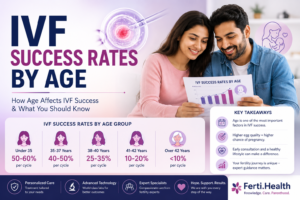
IVF Success Rates by Age
Although success rates vary between fertility clinics and individual cases, the following ranges provide a general overview.
Women Under 35
Women under 35 generally have the highest IVF success rates because their eggs are usually healthier and more likely to develop into high-quality embryos.
Estimated Success Rate: 50%–60% per IVF cycle
Women in this age group often require fewer treatment cycles to achieve pregnancy.
Women Aged 35–37
Fertility begins to decline gradually, but IVF remains highly effective for many women.
Estimated Success Rate: 40%–50% per IVF cycle
Early treatment can improve the likelihood of success.
Women Aged 38–40
At this stage, egg quality and ovarian reserve begin to decline more rapidly.
Estimated Success Rate: 25%–35% per IVF cycle
Some women may require multiple IVF cycles to achieve pregnancy.
Women Aged 41–42
Success rates decrease significantly due to age-related changes in egg quality.
Estimated Success Rate: 10%–20% per IVF cycle
Doctors may discuss additional options such as donor eggs if appropriate.
Women Over 42
Natural egg quality declines considerably after age 42.
Estimated Success Rate: Below 10% per IVF cycle
While pregnancy is still possible, many women in this age group may benefit from individualized treatment plans or donor egg IVF.
IVF Success Rate Table by Age
| Age Group | Estimated IVF Success Rate |
|---|---|
| Under 35 | 50%–60% |
| 35–37 Years | 40%–50% |
| 38–40 Years | 25%–35% |
| 41–42 Years | 10%–20% |
| Over 42 Years | Less than 10% |
These figures are approximate and may vary depending on individual health conditions and fertility clinic protocols.
Factors That Affect IVF Success Besides Age
Age is important, but several other factors influence IVF outcomes.
Egg Quality
Healthy eggs have a better chance of producing healthy embryos.
Sperm Quality
Good sperm count, motility, and morphology improve fertilization rates.
Embryo Quality
High-quality embryos are more likely to implant successfully.
Uterine Health
A healthy uterus increases the chances of embryo implantation.
Lifestyle
Healthy habits can positively influence fertility.
These include:
- Maintaining a healthy weight
- Eating a balanced diet
- Avoiding smoking
- Limiting alcohol
- Exercising regularly
- Managing stress
- Getting enough sleep
Can IVF Success Be Improved?
While age cannot be changed, several steps may improve the chances of a successful IVF cycle.
You can:
- Start treatment early
- Follow your fertility specialist’s recommendations
- Maintain a healthy lifestyle
- Take prescribed medications as directed
- Attend all monitoring appointments
- Manage stress during treatment
Your fertility specialist may also recommend advanced techniques such as ICSI, embryo freezing, or genetic testing (PGT) based on your individual situation.
Does IVF Guarantee Pregnancy?
No. IVF significantly increases the chances of pregnancy, but no fertility treatment can guarantee success.
Some couples conceive during their first IVF cycle, while others may require multiple attempts depending on age, fertility diagnosis, and overall reproductive health.
When Should You Consider IVF?
You should consider consulting a fertility specialist if:
- You’ve been trying to conceive for one year without success.
- You’re over 35 and have been trying for six months.
- You have blocked fallopian tubes.
- You have severe male infertility.
- You have endometriosis or unexplained infertility.
- Previous fertility treatments have not been successful.
Early evaluation often leads to better treatment outcomes.
Frequently Asked Questions
What age has the highest IVF success rate?
Women under 35 years of age generally have the highest IVF success rates due to better egg quality and ovarian reserve.
Does IVF work after 40?
Yes. IVF can still be successful after 40, but success rates are lower compared to younger women because of age-related fertility decline.
Can lifestyle improve IVF success?
Healthy eating, maintaining a healthy weight, avoiding smoking, limiting alcohol, exercising regularly, and reducing stress may help support fertility and overall reproductive health.
How many IVF cycles are usually needed?
Some couples achieve pregnancy in their first cycle, while others may need multiple IVF cycles depending on their fertility condition and age.
Does embryo quality matter?
Yes. High-quality embryos have a better chance of successful implantation and pregnancy.
Final Thoughts
Age plays a significant role in determining IVF success rates, but it is not the only factor. Egg quality, embryo development, overall health, and the expertise of your fertility clinic also contribute to treatment outcomes.
If you’re considering IVF treatment, consulting a fertility specialist early can help you understand your fertility status, explore the best treatment options, and improve your chances of building the family you desire.
At Ferti.Health, we’re committed to providing trusted, evidence-based fertility information to help you make informed decisions throughout your parenthood journey.