
Undergoing a colonoscopy can feel intimidating, especially if you’re worried about discomfort. Many people ask, “Is a colonoscopy painful?” Understanding what to expect can help ease your anxiety and prepare you for the procedure.
This article will explore what a colonoscopy feels like, the types of sedation used, potential discomfort, tips for minimizing pain, and answers to common questions.
What a Colonoscopy Involves
A colonoscopy is a medical procedure that examines your colon using a flexible tube with a camera. It allows your doctor to detect polyps, inflammation, and early signs of colorectal cancer. The test is highly effective in preventing cancer when done regularly.
During the procedure, you will lie on your side while the colonoscope is gently guided through your rectum into the colon. Most patients are sedated, which significantly reduces awareness of discomfort.
Pain and Discomfort: What to Expect
Sedation Levels
Colonoscopy is usually performed with either moderate sedation or deep sedation:
- Moderate Sedation: You remain awake but relaxed and may feel minimal pressure or cramping.
- Deep Sedation: You are fully asleep and typically have no memory of the procedure.
The sedation type impacts how much discomfort you experience. Most patients report very little pain, especially with sedation.
Sensations During the Procedure
Common sensations include:
- Pressure or fullness in the abdomen
- Mild cramping from air introduced into the colon
- Urge to pass gas, which is normal and helps reduce discomfort
These sensations are usually brief and manageable. Communication with your doctor ensures your comfort is prioritized.
After the Procedure
Post-procedure discomfort is usually minimal. You may experience:
- Bloating or gas for a few hours
- Mild abdominal cramping
- Temporary fatigue from sedation
These side effects typically resolve quickly and do not require medication in most cases.
Tips to Minimize Pain
- Follow your bowel prep instructions carefully to ensure a smooth procedure
- Discuss sedation options with your doctor
- Relaxation techniques, such as deep breathing, can help reduce anxiety and perceived discomfort
- Arrange for someone to drive you home after sedation
Preparation is key to minimizing discomfort and ensuring an effective colonoscopy.
FAQ: Is a Colonoscopy Painful?
- Is a colonoscopy very painful?
No, most patients experience minimal discomfort due to sedation. - Can I be fully asleep during the procedure?
Yes, deep sedation ensures you are unconscious and pain-free. - Will I feel cramping afterward?
Mild cramping or bloating is common but usually resolves quickly. - Is bowel prep painful?
No, but the process can cause temporary urgency and bloating. - Can I take pain medication before the procedure?
Consult your doctor; some medications may need adjustment. - How long does the discomfort last?
Typically a few hours after the procedure. - Is colonoscopy more painful for first-timers?
Sedation levels minimize differences; anxiety may increase perceived discomfort. - Can polyps removal cause pain?
No, removal is done during sedation with minimal sensation. - Can I eat immediately after colonoscopy?
Yes, start with light foods unless your doctor advises otherwise. - Are there alternatives if I fear pain?
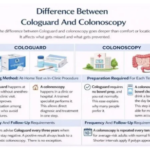
Non-invasive tests like Cologuard exist, but they may require follow-up colonoscopy if positive.