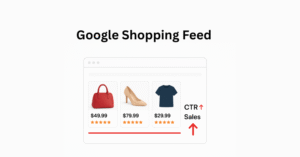

In today’s fast-paced eCommerce landscape, visibility is everything. Customers rely on Google Shopping to find, compare, and purchase products faster than ever before. However, simply having great products isn’t enough; how you present them to Google determines how effectively they reach your audience.
That’s where a Google Shopping Data Feed comes in. It serves as the bridge between your online store and Google Merchant Center, helping Google understand what you sell and who to show it to. When optimized correctly, it can elevate your online visibility, attract high-intent buyers, and significantly increase sales across multiple regions.
Quick Summary
Your product feed is the backbone of your Google Shopping campaigns. A clean, structured, and optimized feed helps Google display your products for the most relevant searches, ensuring customers see accurate information, competitive pricing, and localized availability.
Learn how to improve your Google Shopping Data Feed for higher visibility, accurate listings, and better conversion rates.
Why Your Data Feed Matters
Your Google Shopping Feed is more than just a technical requirement; it’s the foundation of your entire product marketing strategy. Every piece of information in your feed helps Google decide when and where to show your products.
An optimized feed improves product relevance, minimizes disapprovals, and ensures your listings appear for the right audience at the right time. It also enables your products to perform better in both paid campaigns and free listings, expanding your reach across different devices and markets.
Key Components of an Optimized Google Shopping Data Feed
1. Product Titles that Match User Intent
Your product titles must be clear, keyword-rich, and reflective of real search behavior. For instance:
“Apple iPhone 15 Pro Max 256GB Silver” is far more effective than “Latest iPhone Pro.”
Use relevant terms customers are likely to search for, keeping titles under 150 characters and placing important keywords first.
2. Engaging and Informative Descriptions
Descriptions should focus on features and benefits, using natural language that aligns with search intent. Avoid promotional language and maintain a consistent tone that builds trust.
3. High-Quality Product Images
Images play a critical role in conversion. Use high-resolution visuals with neutral backgrounds. Ensure the product shown matches what’s listed on your site; consistency builds credibility and prevents disapproval.
4. Consistent Pricing and Availability
Your prices and stock levels must always match between your website and feed. Even a small mismatch can result in product suspension. Include real-time availability to build buyer confidence.
5. Structured and Complete Attributes
Include essential attributes such as:
- Brand
- GTIN / MPN
- Color, Size, and Material
- Product Category and Type
These elements help Google correctly classify your products and display them in more relevant searches.
Enhancing Visibility Through Localization
If you’re targeting multiple markets, localization is key. Adapt your feed to each region by:
- Displaying prices in the correct local currency.
- Translating product titles and descriptions where necessary.
- Using country-specific shipping and tax information.
- Highlighting local delivery options such as “Free Next-Day Delivery in Dubai” or “Cash on Delivery in Karachi.”
Localized feeds resonate better with users and improve both trust and click-through rates in international campaigns.
The Impact of a Well-Optimized Feed
An optimized Google Shopping Feed can dramatically improve your marketing performance. It helps:
- Increase visibility in high-intent searches
- Boost ad relevance and Quality Score.
- Reduce wasted ad spend on irrelevant clicks.
- Improve conversion rates by ensuring accurate, engaging product details.
When your data feed is optimized for both users and Google’s algorithms, you create a seamless shopping experience that turns searches into sales.
Step-by-Step Optimization Plan
- Audit your current feed using Google Merchant Center diagnostics.
- Refine your product titles and descriptions with relevant search terms.
- Add missing attributes like GTIN, brand, and color for better categorization.
- Ensure consistency between product pages and feed data.
- Localize your feed for currency, shipping, and regional preferences.
- Update regularly to maintain data freshness and accuracy.
- Monitor results and fine-tune underperforming products based on insights.
Regular optimization ensures your feed remains compliant, relevant, and competitive across all active markets.
Common Mistakes to Avoid
- Using vague or incomplete titles.
- Leaving out essential identifiers like GTIN or brand.
- Uploading low-quality or watermarked images.
- Allowing outdated pricing or unavailable stock to remain live.
- Ignoring localization requirements for global campaigns.
Avoiding these errors ensures your products remain eligible for both paid ads and free listings, maximizing visibility.
Conclusion
Your Google Shopping Data Feed is the engine that powers your online sales potential. By optimizing every element from titles and images to localization and pricing, you help Google better understand your products and connect them with buyers who are ready to purchase.
Whether you’re running global campaigns or focusing on a specific region, refining your Google Shopping Feed ensures your listings stand out, attract the right audience, and convert clicks into lasting customers.
FAQs
- What is a Google Shopping Data Feed?
It’s a file that contains detailed information about your products, such as titles, descriptions, images, and prices that Google uses to display your items in Shopping Ads and free listings. - How often should I update my feed?
Update it whenever your product data changes, especially price, stock, or images. Daily or automated updates help maintain accuracy and eligibility. - Why is feed optimization important?
It improves product visibility, increases click-through rates, and ensures your ads appear for relevant, high-intent searches. - What are the key elements of a good feed?
Accurate product titles, complete attributes (GTIN, brand, category), high-quality images, consistent pricing, and localized content. - Can feed optimization help with international sales?
Yes. Localizing your feed with region-specific language, currency, and shipping details helps reach and convert audiences in different countries effectively.