

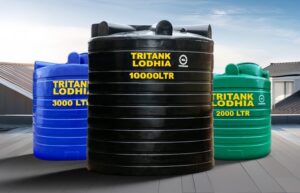

Clean and properly maintained water tanks in Tanzania play a vital role in ensuring safe, hygienic, and reliable water storage for homes, businesses, farms, and industrial facilities. In many parts of the country, water tanks are the primary storage solution due to inconsistent municipal supply and the need for rainwater harvesting. Because of Tanzania’s warm climate, dust levels, and seasonal rains, regular maintenance is not just recommended—it is essential for protecting water quality and extending the lifespan of your tank.
Neglecting routine care can lead to sediment buildup, algae growth, bacterial contamination, unpleasant odors, and even structural damage. With the right cleaning schedule and preventive measures, however, water tanks can provide safe service for many years.
Why Regular Cleaning Is Important
Over time, dirt, sand, rust particles, and organic matter can accumulate at the bottom of a tank. Even if the water appears clear, invisible bacteria and microorganisms may still be present. In warmer regions, exposure to sunlight and heat can accelerate algae growth, especially if the tank is not tightly sealed.
For households and businesses relying on water tanks in Tanzania for drinking, cooking, cleaning, or production processes, maintaining hygiene is critical. Regular cleaning ensures that stored water remains safe and free from harmful contaminants. It also helps prevent clogging of pipes, taps, and pumps connected to the system.
As a general guideline, tanks should be inspected every three to six months and thoroughly cleaned at least twice a year. In areas with high dust levels or heavy rainfall, more frequent inspections may be necessary.
Step by Step Cleaning Process
Cleaning water tanks Tanzania properly involves a systematic approach to ensure both safety and effectiveness.
1. Drain the Tank Completely
Turn off the water supply and empty the tank fully. Open the outlet valve and allow all stored water to flow out. This step ensures that sediment and debris can be accessed easily.
2. Remove Debris and Sediment
Once empty, remove visible dirt, sludge, or settled particles from the base of the tank. Use a bucket or vacuum pump if needed.
3. Scrub Interior Surfaces
Using a soft brush or non abrasive cleaning tool, scrub the interior walls and floor of the tank. Avoid sharp or metallic brushes that could damage the inner lining, especially in plastic tanks.
4. Disinfect the Tank
Prepare a mild chlorine solution by mixing an appropriate amount of chlorine with clean water. Apply the solution evenly to all internal surfaces and allow it to sit for several hours. This process eliminates bacteria, viruses, and other harmful microorganisms.
5. Rinse Thoroughly
After disinfection, rinse the tank multiple times with clean water to remove any chemical residue. Ensure the water runs clear before refilling the tank for use.
For large commercial or industrial water tanks Tanzania, hiring professional cleaning services may be advisable. Professionals use specialized equipment and follow strict hygiene standards to ensure complete sanitation.
Inspecting for Damage and Wear
Cleaning is only one part of proper maintenance. Regular inspections help identify early signs of damage that could lead to leaks or contamination.
Check for cracks, leaks, or weak joints in the tank body. For plastic tanks, look for signs of UV degradation such as fading, brittleness, or surface cracks. Steel tanks should be inspected for rust, corrosion, or peeling protective coatings.
Also examine inlet and outlet pipes, valves, overflow systems, and seals. Loose fittings can cause leakage or allow contaminants to enter the tank. Addressing minor issues early prevents expensive repairs or full tank replacement.
Preventive Maintenance Tips
Preventive care significantly reduces the need for frequent deep cleaning and prolongs the service life of water tanks Tanzania.
-
Keep the lid tightly sealed to prevent dust, insects, birds, and debris from entering.
-
Install a mesh screen or filter at the inlet point to reduce sediment accumulation.
-
Place the tank on a stable, level platform to prevent structural stress or tilting.
-
Ensure proper drainage around the base to avoid standing water that could weaken the foundation.
-
Monitor water quality regularly, especially if the tank stores drinking water.
For outdoor installations, choosing UV stabilized tanks or applying protective coatings helps withstand prolonged sun exposure.
Importance of Professional Support
While routine cleaning can often be handled by property owners, professional inspection is beneficial for large capacity systems or tanks used in industrial applications. Experts can test water quality, assess structural integrity, and recommend appropriate maintenance schedules based on usage and environmental conditions.
Reliable suppliers of water tanks Tanzania also provide guidance on proper installation and after sales support, ensuring optimal performance throughout the product’s lifespan.
Ensuring Long Term Performance
Consistent maintenance protects both your health and your investment. Clean tanks prevent contamination, reduce repair costs, and maintain steady water flow. By following proper cleaning procedures, conducting routine inspections, and applying preventive measures, water tanks Tanzania can deliver dependable and safe water storage for many years.
A proactive approach to maintenance ensures that whether for residential, commercial, or agricultural use, your water storage system remains efficient, durable, and ready to meet daily demands.