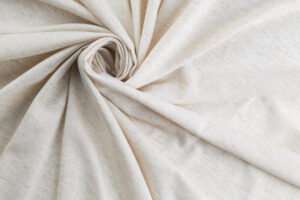

To choose the right cotton fabric for your clothing brand, evaluate four key factors: cotton type (Pima, Egyptian, or Upland), thread count and weave, fabric weight (GSM), and sustainable sourcing. Match these to your product type and budget, then test samples from suppliers before committing to bulk orders.
Cotton remains one of the most popular fabric choices for clothing brands, and for good reason. It’s breathable, soft, durable, and works across nearly every product category—from t-shirts to tailored dresses. But not all cotton is equal. The type you select directly affects your product quality, customer comfort, and brand reputation.
Picking the wrong cotton fabric can lead to shrinking garments, poor color retention, and unhappy customers. The right choice builds trust and repeat business. That’s why fabric sourcing deserves serious attention early in your production process.
This guide walks you through the key factors to consider when selecting cotton fabric—cotton types, thread count, weight, sustainability, and how to vet suppliers. Whether you plan to buy fabric online or source cotton fabric wholesale, these fundamentals will help you make informed decisions.
What Are the Different Types of Cotton Fabric?
Cotton comes in several varieties, and each affects the feel, durability, and cost of your final product.
- Pima cotton: Known for its extra-long staple fibers, Pima cotton is soft, strong, and resistant to pilling. It’s a solid choice for premium t-shirts and casual wear. It costs more than standard cotton but delivers noticeably better quality.
- Egyptian cotton: This variety also uses long-staple fibers, producing a smooth, luxurious feel. Egyptian cotton is ideal for high-end apparel where softness is a selling point. Expect a higher price tag.
- Upland cotton: The most widely grown type, Upland cotton makes up roughly 90% of global cotton production. It’s affordable and versatile, making it a practical option for everyday garments and larger production runs.
The cotton type you choose sets the baseline for product quality. Premium fibers like Pima and Egyptian justify higher retail prices, while Upland cotton keeps costs manageable for volume-focused brands. Match the fiber to your positioning and your customers’ expectations.
How Do Thread Count and Weave Affect Fabric Quality?
Thread count refers to the number of threads woven into one square inch of fabric. A higher thread count usually means a denser, smoother, and more durable material. But higher isn’t always better—it also raises the price and can reduce breathability.
The weave structure matters just as much:
- Plain weave: Simple over-under construction. It’s lightweight, breathable, and common in shirting and lightweight garments.
- Twill: Recognizable by its diagonal ribbing. Twill is durable and resists wrinkles, which makes it popular for denim, chinos, and workwear.
- Sateen: Produces a soft, slightly shiny surface. Sateen suits dresses and garments where drape and sheen add value.
To balance thread count with your budget, focus on the product’s purpose. A basic t-shirt doesn’t need a premium thread count, but a signature button-up shirt might. Prioritize spending where quality is most visible to your customer.
What Fabric Weight (GSM) Should You Choose?
GSM stands for grams per square meter, and it measures how heavy a fabric is. Fabric weight affects comfort, durability, and how a garment performs across seasons.
Here’s a general guide for common clothing types:
- Lightweight (below 150 GSM): Summer shirts, blouses, and lightweight dresses.
- Medium weight (150–250 GSM): Standard t-shirts and everyday wear.
- Heavyweight (above 250 GSM): Hoodies, workwear, and structured jackets.
Season plays a big role too. Lighter fabrics keep customers cool in warm months, while heavier weights provide warmth and structure for fall and winter lines. If you sell year-round, plan your fabric weights around your seasonal collections. Getting GSM right prevents complaints about garments that feel too thin or too bulky.
Why Does Sustainable Cotton Sourcing Matter?
Sustainability is no longer optional for many brands. Customers increasingly want to know where their clothes come from and how they were made. Ethical cotton sourcing can strengthen your brand and build lasting customer loyalty.
Look for these certifications when selecting cotton suppliers:
- GOTS (Global Organic Textile Standard): Confirms the cotton is organic and processed with environmental and social responsibility.
- Fair Trade: Verifies fair wages and safe working conditions for the people who grow and produce the cotton.
Choosing certified cotton fabric signals to customers that your brand takes responsibility seriously. It also protects you from reputational risks tied to unethical supply chains. For modern brands, sustainable sourcing is both an ethical choice and a smart business move.
How Do You Choose a Reliable Cotton Fabric Supplier?
Your supplier relationship can make or break your production. Before you commit, ask the right questions and test the product.
Key questions to ask potential suppliers:
- What is your minimum order quantity (MOQ)?
- Can you provide certifications for sustainable or organic cotton?
- What are your lead times and delivery guarantees?
- Do you offer customization, dyeing, or printing?
Always request fabric samples before placing a bulk order. Test them for shrinkage, color retention, softness, and durability. A sample that looks good on paper may not hold up after a wash. This step protects you from costly mistakes.
Once you find a supplier who delivers consistent quality, work on building a long-term relationship. Reliable partners offer better pricing, priority service, and steady stock. When you buy fabric online or source cotton fabric wholesale, a trusted supplier becomes one of your most valuable assets.
Build Your Brand on the Right Fabric
Choosing the right cotton fabric comes down to balancing quality, sustainability, and cost. Start by selecting the cotton type that fits your brand positioning. Match your thread count, weave, and GSM to each product’s purpose. Prioritize certified, ethically sourced cotton to protect your reputation. And never skip the sample and testing stage when vetting suppliers.
Fabric selection is the foundation of every garment you sell. Invest the time upfront, and you’ll build a brand customers trust. Take these factors into your next fabric sourcing conversation and set your clothing brand up for long-term success.
Frequently Asked Questions
What is the best cotton fabric for t-shirts?
Pima cotton and medium-weight Upland cotton (150–250 GSM) are strong choices for t-shirts. Pima offers premium softness and pilling resistance, while Upland keeps costs lower for high-volume production.
What does GSM mean in cotton fabric?
GSM stands for grams per square meter and measures fabric weight. Lower GSM means a lighter, thinner fabric, while higher GSM means a heavier, denser one. It directly affects comfort and seasonal suitability.
Is higher thread count always better for clothing?
No. Higher thread count usually means a smoother, more durable fabric, but it also costs more and can reduce breathability. Match thread count to the product’s purpose rather than always choosing the highest number.
What certifications should I look for when sourcing cotton?
Look for GOTS (Global Organic Textile Standard) for organic and responsibly processed cotton, and Fair Trade for verified fair wages and safe labor conditions.
How do I buy cotton fabric wholesale for my brand?
Start by identifying suppliers who offer the cotton type and MOQ that fit your needs. Request samples, test them for quality, and confirm certifications and lead times before placing a bulk order.