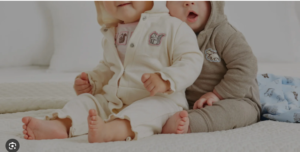

The baby apparel market continues to grow as parents prioritize comfort, safety, and quality when purchasing clothing for their children. For fashion entrepreneurs and established brands alike, selecting the right baby clothing manufacturer is one of the most important steps in building a successful infant apparel line.
Unlike adult garments, baby clothing requires higher safety standards, softer materials, and more precise construction. Choosing the wrong manufacturer can lead to production delays, compliance issues, or inconsistent quality. This complete buying guide will help you understand what to look for in a baby clothing manufacturer and how to make the best decision for your brand.
Why Choosing the Right Baby Clothing Manufacturer Matters
Baby clothing is not just a smaller version of adult apparel. It requires:
-
Skin-safe fabrics
-
Secure fastenings and stitching
-
Accurate sizing
-
Compliance with safety regulations
-
Comfort-focused construction
Infants have sensitive skin, and poorly constructed garments can cause irritation or safety concerns. This makes the selection of a qualified manufacturer even more critical.
Step 1: Understand Your Brand’s Production Needs
Before contacting manufacturers, clarify your business requirements.
Ask yourself:
-
What type of baby clothing are you producing (newborn, toddler, organic basics, luxury, etc.)?
-
What fabrics do you plan to use?
-
What are your estimated order quantities?
-
Do you need full-service development or only garment production?
-
What is your target price range?
Having clear answers will help you filter manufacturers more efficiently.
Step 2: Look for Experience in Baby Apparel Production
Not all clothing manufacturers specialize in baby apparel. Infant garments require specific knowledge of:
-
Baby sizing and grading
-
Snap placement and secure fastenings
-
Soft seam construction
-
Stretch and comfort considerations
An experienced baby clothing manufacturer understands the importance of comfort, safety, and durability in infant garments.
Step 3: Verify Safety and Compliance Standards
Baby clothing must comply with strict safety regulations in the United States and other markets. Manufacturers should understand and adhere to guidelines related to:
-
Flammability standards
-
Lead content limits
-
CPSIA (Consumer Product Safety Improvement Act) compliance
-
Secure attachment of trims and embellishments
Always ask about compliance documentation and testing processes. A reliable manufacturer should be transparent about safety standards.
Step 4: Evaluate Fabric Sourcing Capabilities
Fabric is especially important in baby apparel. Softness, breathability, and skin safety are top priorities.
Common fabrics used in baby clothing include:
-
Organic cotton
-
Bamboo blends
-
Soft jersey knit
-
Hypoallergenic fabrics
Ask manufacturers:
-
Do they source fabrics directly?
-
Do they offer organic or certified materials?
-
Can they provide fabric samples before production?
High-quality fabric sourcing ensures comfort and durability.
Step 5: Review Sampling and Development Process
Sampling is a critical phase in baby clothing production. You should evaluate how the manufacturer handles:
-
Prototype development
-
Fit adjustments
-
Fabric testing
-
Construction refinement
Request sample garments before committing to bulk production. Carefully inspect stitching, snap strength, stretch recovery, and overall finish.
A structured sampling process often indicates a professional production system.
Step 6: Understand Minimum Order Quantities (MOQs)
Many manufacturers require minimum order quantities. For startups, high MOQs can create financial strain.
When selecting a baby clothing manufacturer, ask:
-
What is the minimum order per style?
-
Can they support small-batch production?
-
Do they offer scaling options as your brand grows?
Flexible MOQs are especially important for new brands testing the market.
Step 7: Assess Production Capacity and Scalability
As your brand grows, your production needs will increase. It’s important to choose a manufacturer that can scale with you.
Consider:
-
Current production capacity
-
Lead times for larger orders
-
Ability to handle seasonal demand
Scalability ensures that you won’t need to switch manufacturers once your business expands.
Step 8: Evaluate Communication and Transparency
Clear communication is essential in apparel production. Misunderstandings about sizing, fabrics, or timelines can delay launches and increase costs.
A strong baby clothing manufacturer should:
-
Respond promptly to inquiries
-
Provide clear production timelines
-
Offer realistic scheduling
-
Maintain transparency about challenges
Working with a collaborative production partner reduces stress and improves outcomes.
Step 9: Compare Domestic vs Overseas Manufacturing
When choosing baby clothing manufacturers, brands must decide between domestic and overseas production.
Domestic Manufacturing Benefits:
-
Shorter lead times
-
Easier communication
-
Greater quality oversight
-
Compliance transparency
Overseas Manufacturing Benefits:
-
Potentially lower per-unit costs
-
Large production capacity
Each option has advantages, but safety, compliance, and quality control are especially critical for baby apparel.
Step 10: Request References or Case Studies
A reputable manufacturer should be able to provide references, portfolio examples, or case studies of previous baby apparel projects.
Look for:
-
Clean stitching and finishing
-
Consistent sizing
-
High-quality fabrics
-
Professional presentation
Past performance often predicts future reliability.
Common Mistakes to Avoid
When choosing a baby clothing manufacturer, avoid these common errors:
-
Selecting based on price alone
-
Skipping the sampling stage
-
Ignoring compliance requirements
-
Overlooking communication quality
-
Choosing a manufacturer without baby-specific experience
Cutting corners at the production stage can damage brand reputation.
Questions to Ask Before Signing a Contract
Before finalizing your agreement, ask:
-
What are the estimated lead times?
-
How do you handle production errors?
-
What quality control processes are in place?
-
Can production volumes increase over time?
-
What payment terms do you require?
Clear answers help prevent misunderstandings later.
Building a Long-Term Production Partnership
The best manufacturing relationships are collaborative and long-term. When both parties communicate clearly and share goals, production becomes smoother and more efficient over time.
Strong partnerships result in:
-
Faster sampling
-
Better quality consistency
-
Priority scheduling
-
Greater flexibility
Rather than viewing manufacturing as transactional, approach it as a strategic partnership.
Final Thoughts
Choosing the right baby clothing manufacturer is one of the most important decisions for any infant apparel brand. Safety, fabric quality, construction precision, and communication should all be prioritized over low pricing.
By carefully evaluating experience, compliance standards, sampling processes, and scalability, brands can build a strong foundation for growth. A reliable baby clothing manufacturer not only produces garments but also supports your brand’s long-term success.
Investing time in selecting the right production partner will ultimately lead to safer products, happier customers, and a more sustainable business model.