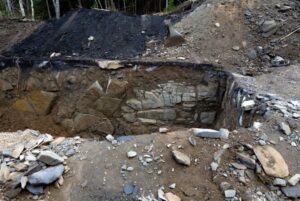

Homeowners in Spencer, Massachusetts, and surrounding Worcester County areas often dream of adding a new garage, expanding their backyard, or installing a septic system. Yet the ground beneath their feet can turn those plans into complex projects. Local soil and geology—shaped by ancient glaciers—create unique challenges that demand careful, expert handling from the start.
Groundscapes Inc., a trusted local provider of residential excavation services Spencer MA, has helped countless homeowners navigate these conditions successfully. Understanding how Worcester County’s soils behave makes the difference between smooth progress and costly surprises.
The Glacial Legacy: What Makes Worcester County Soil Unique
Worcester County sits in a region heavily influenced by the last Ice Age. Glaciers scraped across the landscape, depositing glacial till—a dense, unsorted mix of clay, sand, gravel, cobbles, and boulders. This material forms the backbone of many local soils.
The Paxton soil series, Massachusetts’ official state soil, dominates much of the area. Named after the town of Paxton in Worcester County, it consists of well-drained loamy soils formed in lodgment till. These soils feature a compact layer (densic contact) at moderate depths and often contain significant stones and rocks.
Other common soils include:
- Canton and Montauk fine sandy loams (extremely stony in many cases).
- Ridgebury and Whitman (poorly drained, with high water tables).
- Chatfield-Hollis-Rock outcrop complexes (shallow to bedrock with frequent rock exposures).
- Sandy outwash soils in lower areas, like the Worcester series.
This variability means no two residential lots behave exactly the same. A site just a few hundred feet away can shift from rocky till to wet, mucky ground or ledge close to the surface.
Key Soil Challenges for Residential Excavation
Rocky Content and Boulders Glacial till often hides boulders and cobbles that equipment operators must work around or remove. This slows excavation, increases wear on machinery, and raises the risk of damaging underground utilities or neighboring structures. Homeowners planning foundations, driveways, or pools frequently encounter more rock than expected.
Variable Depth to Bedrock Bedrock depth fluctuates dramatically across Worcester County—sometimes just a few feet down, other times much deeper. Shallow bedrock requires specialized techniques like controlled blasting or rock hammering, which add time and expense. Depth-to-bedrock models show high spatial variability, underscoring the need for site-specific testing.
Drainage and High Water Tables Poorly drained soils like Ridgebury or Whitman can hold water, leading to unstable trench walls, equipment bogging down, or flooded excavations. Seasonal high water tables complicate septic system installation and foundation work, requiring dewatering or enhanced drainage solutions.
Frost Heave and Seasonal Changes Massachusetts building codes set the frost line at about 48 inches in Worcester County. Soils that retain moisture expand when they freeze, potentially shifting foundations or utilities if not dug deep enough. Winter planning must account for frozen ground that’s harder to excavate.
Compaction and Erosion Risks Disturbed glacial till can compact unevenly, affecting long-term stability for slabs, patios, or retaining walls. Slopes with stony soils erode easily during heavy rains if not properly stabilized.
How These Conditions Shape Excavation Planning
Successful residential excavation starts long before equipment arrives. Experienced teams like those at Groundscapes Inc. follow a proven process tailored to local realities.
1. Thorough Site Assessment Professional excavators begin with soil borings, test pits, and review of USDA soil surveys or Web Soil Survey data. This reveals expected soil types, rock content, drainage, and bedrock depth. Skipping this step often leads to change orders and delays.
2. Equipment Selection and Techniques
- Standard backhoes work well in loamy areas but struggle in dense till or rocky zones.
- Mini-excavators or specialized attachments (rock buckets, thumbs) handle boulders efficiently.
- For ledge, hydraulic breakers or selective blasting may be necessary, always with proper permits and safety measures.
3. Safety and Shoring OSHA standards require proper sloping, benching, or shoring for trenches deeper than 5 feet, especially in unstable glacial soils prone to collapse.
4. Material Management Excavated material is often stockpiled and reused for backfill or grading where suitable. Stony till may need screening or off-site disposal. Responsible contractors separate topsoil for later landscaping use.
5. Integration with Other Site Work Excavation rarely stands alone. It coordinates with septic design, utility installation, grading for drainage, and erosion control (silt fences, seeding). Local knowledge ensures compliance with Worcester County and Spencer regulations.
Real-World Example: A Spencer Residential Project
Consider a typical Groundscapes Inc. project in Spencer: a homeowner wanted to build a detached garage and update their septic system on a sloped lot with Paxton soils. Initial test pits revealed dense till with numerous cobbles at 2–4 feet and bedrock approaching in one corner.
The team adjusted the foundation footprint slightly to avoid the shallowest bedrock, used a rock hammer for selective removal, and installed a French drain system to manage seasonal groundwater. They salvaged suitable material for backfill and regraded the site for positive drainage. The project finished on time and on budget, with a stable, usable space that has performed well through multiple winters.
Without local expertise, the homeowner might have faced equipment breakdowns, extra rock disposal fees, or foundation issues later. This case highlights why choosing proven residential excavation services Spencer MA delivers better results.
Best Practices for Homeowners Planning Excavation
- Hire Local Experts Early: Teams familiar with Worcester County soils can anticipate issues and provide accurate quotes.
- Budget for the Unexpected: Add 15–25% contingency for rock removal, dewatering, or bedrock work.
- Schedule Smartly: Spring and fall often offer optimal ground conditions; avoid muddy spring thaws when possible.
- Combine Projects: Excavate for foundations, utilities, and landscaping in one mobilization to save costs.
- Focus on Long-Term Stability: Proper compaction, drainage, and backfill prevent future settling or frost damage.
- Permits and Utilities: Always call Dig Safe (811) and secure necessary town permits.
Why Partner with Groundscapes Inc. for Your Project
Groundscapes Inc. brings well-experienced crews, modern equipment, and deep knowledge of Spencer and Worcester County conditions to every job. Whether it’s a small residential foundation, driveway installation, or full site preparation, they deliver reliable, results-driven work that accounts for local soil realities from day one.
Their commitment to clear communication, safety, and quality helps homeowners achieve durable, attractive outdoor spaces without unnecessary stress.
Soil conditions in Worcester County don’t have to derail your plans. With the right planning and a trusted partner, they become manageable factors that lead to stronger, longer-lasting results.