
In today’s ever-changing business environment, organizations that can learn, adapt, and innovate quickly are the ones that succeed. Traditional management structures often struggle to keep pace with change, but the Scrum framework offers a powerful solution. Originally designed for software development, Scrum has evolved into a universal approach to agility—enabling teams and entire organizations to learn faster, collaborate better, and deliver value continuously.
Scrum isn’t just a project management method; it’s a mindset that transforms how people think, work, and improve together. Here’s how Scrum helps build organizations that thrive on continuous learning and rapid adaptation.
1. Creating a Culture of Continuous Feedback
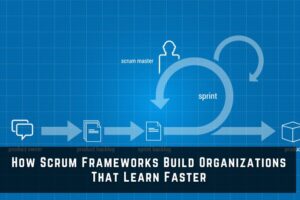
One of the key ways Scrum accelerates organizational learning is through continuous feedback loops. Each Scrum cycle, known as a Sprint, provides structured opportunities for teams to inspect and adapt their work. During events like the Sprint Review and Sprint Retrospective, teams reflect on what worked well, what didn’t, and what can be improved in the next cycle.
This constant rhythm of reflection promotes a learning culture—where experimentation and improvement become part of the daily workflow. Mistakes are no longer failures; they’re data points that drive smarter decisions.
Moreover, by engaging stakeholders in regular feedback sessions, organizations ensure that teams stay aligned with customer needs and evolving priorities. Over time, this leads to better-quality outcomes, reduced waste, and a culture that values transparency and adaptability.
Scrum teaches that progress is built through small, consistent improvements. This incremental learning approach helps organizations evolve faster than those locked into rigid, top-down processes.
2. Empowering Teams to Think and Act Independently
Another reason Scrum organizations learn faster is that the framework empowers self-organizing teams. Instead of waiting for direction from upper management, Scrum teams take ownership of their work and decisions.
The Scrum Master, Product Owner, and Development Team work collaboratively within defined roles, ensuring clarity without micromanagement. This autonomy fosters creativity, problem-solving, and accountability—qualities that accelerate learning and innovation.
Empowered teams are also more responsive to change. When challenges arise, they can pivot quickly, experiment with new approaches, and share lessons across the organization. This decentralized model ensures that learning happens at every level, not just at the top.
In essence, Scrum turns teams into learning engines. Each iteration generates insights, which are shared and refined in real-time. Over time, this creates a compounding effect—an organization that doesn’t just adapt but anticipates change.
3. Building Agility Through Transparency and Collaboration
Scrum’s foundation rests on three pillars: transparency, inspection, and adaptation. These principles ensure that learning isn’t confined to individuals or departments—it becomes an organizational habit.
Transparency allows everyone to see progress, challenges, and priorities clearly. Tools like product backlogs, sprint boards, and burndown charts make work visible, fostering trust and shared understanding.
Inspection ensures that outcomes are regularly evaluated, keeping teams aligned with business goals. Adaptation enables quick adjustments, helping organizations pivot with minimal disruption.
Collaboration is the glue that holds all this together. Cross-functional teams in Scrum combine diverse skills and perspectives, leading to richer insights and innovative solutions. By working together closely and communicating openly, teams shorten the feedback loop between idea and execution—creating a truly agile organization that learns and evolves continuously.
Organizations that embrace Scrum often find that agility becomes a competitive advantage. They respond faster to customer feedback, innovate more efficiently, and maintain a culture where learning never stops.
Empower Your Agile Journey with Tromenz Learning
If you’re ready to transform your organization into a fast-learning, agile powerhouse, Tromenz Learning offers world-class training in Scrum and Agile frameworks. Their expert-led courses help professionals master Scrum principles, roles, and practices—preparing them to lead teams that thrive on collaboration, adaptability, and continuous improvement.
Whether you’re new to Agile or looking to deepen your expertise, Tromenz Learning provides the best Scrum certification and training programs designed for real-world impact.
Build teams that think faster, learn smarter, and deliver better—start your Agile journey with Tromenz Learning today.
In today’s ever-changing business environment, organizations that can learn, adapt, and innovate quickly are the ones that succeed. Traditional management structures often struggle to keep pace with change, but the Scrum framework offers a powerful solution. Originally designed for software development, Scrum has evolved into a universal approach to agility—enabling teams and entire organizations to learn faster, collaborate better, and deliver value continuously.
Scrum isn’t just a project management method; it’s a mindset that transforms how people think, work, and improve together. Here’s how Scrum helps build organizations that thrive on continuous learning and rapid adaptation.
1. Creating a Culture of Continuous Feedback
One of the key ways Scrum accelerates organizational learning is through continuous feedback loops. Each Scrum cycle, known as a Sprint, provides structured opportunities for teams to inspect and adapt their work. During events like the Sprint Review and Sprint Retrospective, teams reflect on what worked well, what didn’t, and what can be improved in the next cycle.
This constant rhythm of reflection promotes a learning culture—where experimentation and improvement become part of the daily workflow. Mistakes are no longer failures; they’re data points that drive smarter decisions.
Moreover, by engaging stakeholders in regular feedback sessions, organizations ensure that teams stay aligned with customer needs and evolving priorities. Over time, this leads to better-quality outcomes, reduced waste, and a culture that values transparency and adaptability.
Scrum teaches that progress is built through small, consistent improvements. This incremental learning approach helps organizations evolve faster than those locked into rigid, top-down processes.
2. Empowering Teams to Think and Act Independently
Another reason Scrum organizations learn faster is that the framework empowers self-organizing teams. Instead of waiting for direction from upper management, Scrum teams take ownership of their work and decisions.
The Scrum Master, Product Owner, and Development Team work collaboratively within defined roles, ensuring clarity without micromanagement. This autonomy fosters creativity, problem-solving, and accountability—qualities that accelerate learning and innovation.
Empowered teams are also more responsive to change. When challenges arise, they can pivot quickly, experiment with new approaches, and share lessons across the organization. This decentralized model ensures that learning happens at every level, not just at the top.
In essence, Scrum turns teams into learning engines. Each iteration generates insights, which are shared and refined in real-time. Over time, this creates a compounding effect—an organization that doesn’t just adapt but anticipates change.
3. Building Agility Through Transparency and Collaboration
Scrum’s foundation rests on three pillars: transparency, inspection, and adaptation. These principles ensure that learning isn’t confined to individuals or departments—it becomes an organizational habit.
Transparency allows everyone to see progress, challenges, and priorities clearly. Tools like product backlogs, sprint boards, and burndown charts make work visible, fostering trust and shared understanding.
Inspection ensures that outcomes are regularly evaluated, keeping teams aligned with business goals. Adaptation enables quick adjustments, helping organizations pivot with minimal disruption.
Collaboration is the glue that holds all this together. Cross-functional teams in Scrum combine diverse skills and perspectives, leading to richer insights and innovative solutions. By working together closely and communicating openly, teams shorten the feedback loop between idea and execution—creating a truly agile organization that learns and evolves continuously.
Organizations that embrace Scrum often find that agility becomes a competitive advantage. They respond faster to customer feedback, innovate more efficiently, and maintain a culture where learning never stops.
Empower Your Agile Journey with Tromenz Learning
If you’re ready to transform your organization into a fast-learning, agile powerhouse, Tromenz Learning offers world-class training in Scrum and Agile frameworks. Their expert-led courses help professionals master Scrum principles, roles, and practices—preparing them to lead teams that thrive on collaboration, adaptability, and continuous improvement.
Whether you’re new to Agile or looking to deepen your expertise, Tromenz Learning provides the best Scrum certification and training programs designed for real-world impact.
Build teams that think faster, learn smarter, and deliver better—start your Agile journey with Tromenz Learning today.