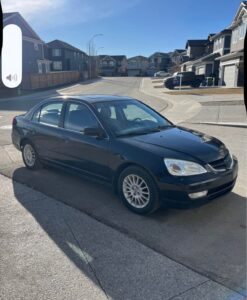

You call a cash-for-cars service on Monday and get quoted $600. You call the same company three weeks later for the same car — and the offer drops to $450. Nothing about the car changed. So what happened?
The answer lives in a market most car sellers never think about: the global scrap metal market. Behind every cash offer for your vehicle sits a web of steel prices, aluminum futures, catalytic converter values, and international demand. Understanding how this works can literally put hundreds of extra dollars in your pocket — if you know when to sell.
Let’s pull back the curtain.
Your Car Isn’t Just a Car — It’s a Bundle of Commodities
When a cash-for-cars buyer looks at your vehicle, they’re not seeing transportation. They’re seeing raw materials. A typical car contains around 65% steel, 10% aluminum, 9% plastics, 7% rubber, and smaller portions of copper, glass, lead, and precious metals.
Each of those materials has its own market price that fluctuates daily. When steel is booming, cars are worth more as scrap. When copper spikes, wiring harnesses and radiators become gold mines. When platinum-group metals rally, catalytic converters alone can be worth more than the whole car.
Your cash offer is essentially a live quote based on what all these materials are trading for that week — minus the buyer’s costs and profit margin.
The Big Four: Metals That Determine Your Offer
Steel is the heavyweight. It makes up most of your car’s structure, so its price has the biggest single impact on your offer. When global steel demand rises — driven by construction booms in Asia, infrastructure spending, or supply shortages — scrap steel prices climb, and cash offers climb with them.
Aluminum matters more than most sellers realize. Modern cars use aluminum in wheels, engine blocks, transmission housings, and body panels. Because aluminum is lightweight and endlessly recyclable, its price stays relatively strong. Cars with aluminum-heavy construction consistently fetch higher offers.
Copper is where the real value hides. A single vehicle contains 50 to 100 pounds of copper in wiring, motors, radiators, and electronics. Copper prices are notoriously volatile, and when they spike, cash-for-cars offers often jump within days.
Platinum, palladium, and rhodium live inside your catalytic converter. These precious metals filter emissions and can be extraordinarily valuable. Rhodium alone has traded above gold prices in recent years. A single catalytic converter from certain models can be worth $200 to $1,500 on its own.
Why Prices Move — The Forces Behind the Numbers
Scrap metal prices aren’t random. They respond to real-world events that most people never connect to their old vehicle. Here’s what actually moves the market:
Global manufacturing demand. When factories in China, India, or the US ramp up production, they consume enormous amounts of recycled steel and aluminum. Higher demand means higher scrap prices.
Construction cycles. Building booms drive steel demand upward. Recessions or housing slumps push prices down.
Automotive production trends. Ironically, when new car manufacturing slows, scrap prices sometimes rise because recycled metal becomes a bigger part of the supply chain.
Energy costs. Melting and processing scrap metal requires huge amounts of energy. When oil, gas, or electricity prices surge, scrap processors offer less to sellers to protect their margins.
International trade policies. Tariffs, export bans, and shipping disruptions all reshape the scrap market. When major exporters restrict shipments, domestic scrap prices often spike.
Currency fluctuations. Metals are globally traded, so a weakening local currency often means better prices for scrap sellers because international buyers can pay more.
Timing Your Sale: When to Move and When to Wait
Now for the practical question — when is the best time to sell your car for cash?
Spring and early summer are traditionally the strongest seasons. Construction activity peaks, factories run at full capacity, and demand for raw materials climbs. Scrap prices typically firm up between March and June, translating to better cash offers.
Late fall and winter often see softer prices. Construction slows in colder regions, industrial activity dips around holidays, and buyers become more cautious. If you can wait until spring, you may earn more.
Watch for commodity news. When major headlines mention rising steel prices, copper rallies, or catalytic converter theft waves (which signal high precious metal values), that’s your window. Cash-for-cars offers usually follow within a week or two.
Avoid selling right after a market crash. When metal prices tumble, buyers slash offers immediately — but they wait weeks to raise them again when prices recover. Selling during a dip locks in the worst price.
Your Specific Car Matters Too
Not every vehicle benefits equally from rising scrap prices. Certain factors affect how much of the market gain you actually capture:
Weight. Heavier vehicles contain more metal, so they gain more when prices rise. A large SUV or truck sees bigger price swings than a compact car.
Age and condition. Older cars are often valued purely for scrap and parts, making them more sensitive to metal prices. Newer cars with resale or parts value are less affected by scrap fluctuations.
Catalytic converter type. Vehicles with high-value catalytic converters — often larger engines, hybrids, and certain luxury models — command premium offers regardless of the general scrap market.
Complete vs. stripped. A vehicle with all its original parts is worth more than one missing its catalytic converter, wheels, battery, or electronics. Never remove valuable components before getting quotes unless you know their individual market value.
Getting the Best Offer: A Practical Playbook
Here’s how to maximize your cash offer using market awareness:
Get quotes from multiple buyers on the same day. Different companies have different customer bases — some export to specific markets, others focus on parts resale, others straight-line scrap. Prices can vary by hundreds of dollars for the same car.
Ask what’s driving the offer. A knowledgeable buyer will mention current scrap prices, catalytic converter values, or specific parts demand. If they can’t explain the number, they’re not offering their best.
Time your call strategically. Get quotes at the start of a week and end of a week. Market movements often show up in offers within days.
Highlight valuable components. If your car has an intact catalytic converter, aluminum wheels, or a working engine, mention them. Some buyers price these separately and offer more.
Don’t rush. If prices are climbing, a two-week wait might mean 10% to 20% more cash. If they’re falling, sell immediately before offers drop further.
Red Flags in the Quote Process
Some buyers use scrap market fluctuations as an excuse for shady tactics. Watch out for:
- Quotes that drop dramatically on pickup day with vague excuses about “market changes”
- Refusal to explain how the offer was calculated
- Pressure to accept immediately before you can compare
- Offers significantly higher than everyone else — often a bait tactic
A legitimate buyer’s offer stays consistent from quote to pickup, and they can clearly explain what drives the price.
The Bottom Line
Your car’s cash value isn’t a random number — it’s a real-time reflection of global commodity markets. Steel demand in Shanghai, copper mining strikes in South America, or a rally in platinum futures can all quietly affect the offer sitting in your inbox.
You don’t need to become a commodities trader to benefit from this knowledge. Just pay attention to timing, get multiple quotes, understand what’s inside your vehicle, and act when the market moves in your favor.
A little market awareness can turn a mediocre offer into a great one — and put hundreds of extra dollars in your pocket for the same car sitting in your driveway.