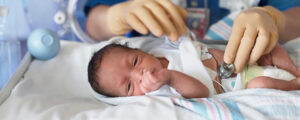

The birth of a baby is one of the most joyful moments in a family’s life. However, when a baby arrives earlier than expected or faces medical complications at birth, parents may experience fear, uncertainty, and emotional stress. In such situations, the Neonatal Intensive Care Unit (NICU) becomes a lifeline for both newborns and their families. Equipped with advanced medical technology and staffed by highly trained healthcare professionals, NICUs play a vital role in helping premature and critically ill babies survive, grow, and thrive.
Understanding Premature Birth
A premature baby, often called a preterm baby, is born before completing 37 weeks of pregnancy. Since these babies arrive earlier than expected, many of their organs, including the lungs, brain, digestive system, and immune system, may not be fully developed. Premature infants often face challenges such as breathing difficulties, low birth weight, feeding problems, infections, and trouble maintaining body temperature.
The earlier a baby is born, the greater the need for specialized medical care. This is where the NICU provides critical support, ensuring newborns receive round-the-clock monitoring and treatment tailored to their unique needs.
What Is a Neonatal Intensive Care Unit?
A Neonatal Intensive Care Unit is a specialized hospital department designed to care for premature, low birth weight, and critically ill newborns. NICUs are equipped with advanced medical devices such as incubators, ventilators, cardiac monitors, and feeding support systems that help babies receive the care they need during the earliest and most vulnerable stage of life.
The NICU team typically includes neonatologists, neonatal nurses, respiratory therapists, pediatric specialists, nutritionists, and other healthcare professionals who work together to support a baby’s development and recovery.
Specialized Breathing Support
One of the biggest challenges premature babies face is underdeveloped lungs. Many preterm infants cannot breathe properly on their own because their lungs have not yet produced enough surfactant, a substance that helps keep the lungs open.
NICUs provide various forms of respiratory support, including oxygen therapy, Continuous Positive Airway Pressure (CPAP), and mechanical ventilation. These treatments help babies breathe more comfortably while their lungs continue to mature.
Advanced monitoring systems also ensure healthcare providers can quickly respond to changes in oxygen levels or breathing patterns, reducing the risk of serious complications.
Maintaining Body Temperature
Premature babies have very little body fat, making it difficult for them to regulate their body temperature. Even small drops in temperature can lead to health complications.
NICUs use incubators and radiant warmers to maintain a stable and safe environment for newborns. These controlled settings protect babies from infections while helping conserve energy needed for growth and development.
The carefully regulated temperature and humidity levels inside incubators create conditions similar to the mother’s womb, promoting comfort and healing.
Nutritional Support for Healthy Growth
Nutrition is essential for a premature baby’s development. However, many preterm infants are unable to feed normally because their sucking and swallowing reflexes are not fully developed.
In the NICU, babies may receive nutrition through feeding tubes or intravenous lines until they are strong enough to breastfeed or bottle-feed independently. Breast milk is especially valuable because it contains antibodies and nutrients that strengthen the baby’s immune system and support healthy growth.
NICU nutrition specialists closely monitor weight gain, fluid intake, and nutritional needs to ensure each baby receives the right balance of nutrients for optimal development.
Protection Against Infections
Premature babies have weaker immune systems, making them more vulnerable to infections. Even minor illnesses can become serious if not treated promptly.
NICUs follow strict hygiene and infection control measures to protect newborns from harmful bacteria and viruses. Healthcare staff maintain high standards of cleanliness, and visitors may need to follow special precautions such as hand sanitization and protective clothing.
Continuous monitoring also helps doctors detect early signs of infection, allowing immediate medical intervention when needed.
Monitoring Brain and Heart Development
Premature birth can affect the development of the brain and heart. NICUs use advanced imaging and monitoring technologies to track a baby’s neurological and cardiovascular health.
Heart rate monitors, ultrasound scans, and specialized assessments help identify potential issues early. Early diagnosis and treatment can significantly improve long-term outcomes and reduce the risk of developmental complications.
In many cases, early therapies and interventions started in the NICU can help babies achieve healthier developmental milestones as they grow.
For families searching for a dependable neonatal intensive care unit (NICU) in Sikar, choosing a trusted healthcare provider like Arihant Hospital & IVF Center can offer peace of mind and expert newborn care. With the right medical attention and family support, even the tiniest babies can grow stronger and lead healthy lives.
Family-Centered Care in the NICU
While medical care is the primary focus of the NICU, emotional support for families is equally important. Having a newborn in intensive care can be overwhelming for parents, especially when they are separated from their baby for extended periods.
Modern NICUs encourage family involvement through practices such as kangaroo care, where parents hold their baby skin-to-skin. This close contact promotes bonding, stabilizes the baby’s heart rate and breathing, and can even improve weight gain.
Healthcare teams also educate parents about their baby’s condition, treatment plans, feeding techniques, and ways to participate in daily care. This support helps families feel more confident and connected during a difficult time.
The Importance of Advanced Technology
Medical advancements have greatly improved survival rates for premature babies. Today’s NICUs use cutting-edge technology to provide precise and personalized care.
From sophisticated monitoring systems to advanced respiratory therapies, these innovations allow healthcare professionals to respond quickly to emergencies and support healthy development. Many babies who once had little chance of survival now grow into healthy children thanks to modern neonatal care.
Life After the NICU
Leaving the NICU is a major milestone for families. Before discharge, healthcare teams ensure babies can breathe independently, maintain body temperature, feed properly, and gain weight consistently.
Some premature babies may continue to need follow-up care, including pediatric checkups, physical therapy, or developmental assessments. Early intervention programs can help address any delays and support continued growth.
With proper medical care, family support, and regular monitoring, many premature babies go on to lead healthy and fulfilling lives.
Conclusion
Neonatal Intensive Care Units provide hope and healing during one of the most delicate stages of life. Through specialized medical care, advanced technology, and compassionate support, NICUs help premature and critically ill newborns overcome early challenges and thrive.
For parents, the NICU journey may feel emotionally demanding, but it is also a place filled with dedication, resilience, and countless success stories. Every day, NICU teams work tirelessly to give the smallest patients the strongest possible start in life.
Original Sources : – How Neonatal Intensive Care Units Help Premature Babies Thrive