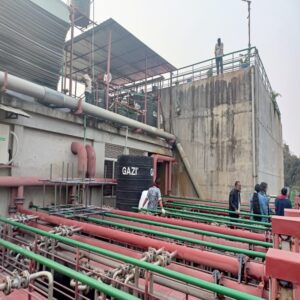

Effluent treatment plants play a crucial role in maintaining environmental sustainability by treating wastewater before it is discharged back into the environment. These plants are essential for industries, municipalities, and other facilities to ensure that their effluents do not harm the ecosystem. In this article, we will delve into the working process of an effluent treatment plant, its components, importance, types, challenges, innovations, and future trends.
What is an Effluent Treatment Plant?
An effluent treatment plant is a facility designed to treat industrial, municipal, or domestic wastewater to remove contaminants and pollutants before releasing it back into the environment. The primary goal of these plants is to reduce the environmental impact of wastewater discharge and protect water bodies from pollution.
Components of an Effluent Treatment Plant
Effluent treatment plants consist of three main treatment stages: primary, secondary, and tertiary treatment. Each stage employs different processes to remove various pollutants from the wastewater effectively.
Working Process of an Effluent Treatment Plant
The working process of an effluent treatment plant begins with the inflow of effluent into the plant. The effluent undergoes preliminary treatment to remove large debris and solids. It then moves on to primary treatment, where physical processes like sedimentation and filtration are used to separate suspended solids. The effluent then undergoes secondary treatment, where biological processes like activated sludge or trickling filters are employed to remove organic matter. Finally, tertiary treatment further refines the effluent using processes like filtration, disinfection, or nutrient removal before it is discharged.
Importance of Effluent Treatment Plants
Effluent treatment plants play a vital role in preserving the environment by reducing pollution levels in water bodies. They also help industries and municipalities comply with environmental regulations, avoid fines, and protect public health by ensuring that the water bodies remain clean and safe for various uses.
Types of Effluent Treatment Plants
There are different types of effluent treatment plants, including biological treatment plants that use microorganisms to break down pollutants, physico-chemical treatment plants that rely on chemical and physical processes, and combined treatment plants that integrate both biological and physico-chemical methods for efficient treatment.
Challenges Faced by Effluent Treatment Plants
Effluent treatment plants face challenges such as high operating costs, meeting stringent regulatory requirements, and handling toxic pollutants that require specialized treatment processes. Overcoming these challenges is crucial to ensure the effective operation of the plants and prevent environmental harm.
Innovations in Effluent Treatment
Advancements in effluent treatment include the adoption of advanced oxidation processes, membrane bioreactors for enhanced treatment efficiency, and zero liquid discharge systems that minimize water wastage. These innovations help improve the treatment quality and sustainability of effluent treatment plants.
Future Trends in Effluent Treatment
The future of effluent treatment is moving towards more sustainable practices, such as resource recovery from wastewater, smart monitoring systems for real-time data analysis, and a circular economy approach that promotes the reuse of treated effluent. These trends aim to make effluent treatment more efficient, cost-effective, and environmentally friendly.
Effluent Treatment Plants (ETP)
Effluent Treatment Plants, on the other hand, are focused on treating industrial wastewater discharged from manufacturing processes, chemical plants, and other industrial activities. The wastewater treated in ETPs contains a higher concentration of pollutants, such as heavy metals, chemicals, and toxins. ETPs utilize advanced treatment processes like physico-chemical treatment, membrane filtration, and advanced oxidation to remove these contaminants and ensure compliance with discharge standards.
Key Differences Between STP and ETP
Nature of Wastewater: STPs treat domestic sewage with a lower pollutant load, while ETPs handle industrial effluents containing higher concentrations of pollutants and chemicals.
Treatment Processes: STPs primarily use biological treatment methods like activated sludge and trickling filters, whereas ETPs employ physico-chemical processes, advanced oxidation, and membrane technologies for treating complex industrial effluents.
Regulatory Requirements: ETPs are subject to stricter regulatory standards due to the presence of hazardous substances in industrial effluents, requiring more advanced treatment processes and monitoring compared to STPs.
Discharge Standards: The discharge standards for ETPs are more stringent to protect the environment from industrial pollutants, while STPs focus on removing organic matter and pathogens to safeguard public health and water quality.
End Use of Treated Water: Treated water from STPs is often discharged into water bodies or reused for non-potable purposes like irrigation, landscaping, or industrial cooling, while water from ETPs may undergo further treatment for specific industrial processes or discharged according to regulatory requirements.
Conclusion
Effluent treatment plants are essential for maintaining environmental quality and public health by treating wastewater effectively. By understanding the working process, components, importance, types, challenges, innovations, and future trends of effluent treatment plants, we can appreciate their significance in preserving our water resources and promoting sustainable development in the long run.