

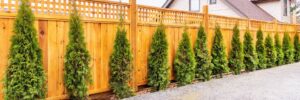

Creating a private and comfortable outdoor space is an important goal for many homeowners in Cumming, GA. Privacy hedges offer a natural way to separate your yard from neighboring properties, busy streets, and surrounding homes while adding greenery and visual interest. Unlike solid walls or fences, plants can create a softer landscape boundary that blends naturally with gardens, lawns, patios, and other outdoor features.
Choosing Reputable Privacy Hedges Services in Cumming, GA can make the process easier by helping homeowners select suitable plants, determine appropriate spacing, prepare the planting area, and establish a practical maintenance plan. A professionally planned privacy hedge can provide attractive screening while supporting the long-term health and appearance of the landscape.
What Are Privacy Hedges?
Privacy hedges are rows or groups of shrubs and plants that are strategically planted to create a natural visual barrier. Depending on the species selected, hedges can provide partial screening or a dense barrier.
They can be used around property boundaries, patios, pools, gardens, driveways, decks, and outdoor entertainment areas. Their versatility makes them suitable for many different residential landscape designs.
The appearance of a hedge can also be customized through plant selection and regular pruning. Homeowners can choose a formal, neatly maintained appearance or a more natural landscape style.
Why Are Privacy Hedges Popular in Cumming, GA?
Privacy hedges can help homeowners create a more secluded backyard without making the property appear overly enclosed. A carefully planned hedge can blend into the landscape while providing separation from neighboring properties.
Cumming homeowners may also appreciate the aesthetic benefits of adding more greenery to their yards. Hedges can provide structure, depth, and visual balance when incorporated into a broader landscape design.
Because plant performance depends on growing conditions, selecting suitable varieties for the property is an important part of the process.
What Are the Benefits of Privacy Hedges?
Privacy hedges can provide several benefits for residential landscapes. One of the primary benefits is visual screening. Dense foliage can help reduce views between neighboring properties and create a stronger sense of privacy.
Hedges can also define different areas of a yard. For example, a row of shrubs can separate a patio from the lawn or create a natural boundary around a garden.
Additional benefits can include:
- Natural visual screening
- Improved landscape appearance
- Defined outdoor spaces
- Added greenery and texture
- Potential shade depending on plant size
- Support for local wildlife
- Flexible landscape design
- Long-term landscape value
How Should You Choose Privacy Hedge Plants?
Choosing the correct plant species is essential for a successful privacy hedge. A plant that works well in one location may not perform as expected in another.
Homeowners should consider the plant’s mature height, mature width, growth rate, sunlight requirements, soil preferences, watering needs, and pruning requirements.
It is also important to determine whether year-round privacy is required. Evergreen plants may be more appropriate when consistent screening is a priority.
Planning for the mature size of plants can help prevent future overcrowding and maintenance problems.
Are Evergreen Hedges Good for Privacy?
Evergreen hedges can be an excellent option when homeowners want consistent foliage throughout the year. Unlike many deciduous plants, evergreen varieties generally retain their leaves or foliage through different seasons.
This can make them useful for screening neighboring properties, roads, and outdoor living areas.
However, evergreen plants still need appropriate growing conditions. Soil quality, drainage, sunlight, available space, and water requirements should be considered before planting.
Are Fast-Growing Privacy Hedges a Good Choice?
Fast-growing hedges can provide screening more quickly than slower-growing varieties. This can be attractive to homeowners who want to establish privacy sooner.
However, rapid growth may also require more frequent pruning. A hedge that grows quickly can become overgrown if it is not maintained consistently.
Homeowners should consider both short-term privacy goals and long-term maintenance requirements when choosing fast-growing plants.
Why Is Proper Hedge Spacing Important?
Spacing can have a major effect on the health and appearance of a privacy hedge. Plants that are placed too close together may compete for sunlight, water, nutrients, and root space.
If plants are positioned too far apart, large gaps may remain between them and reduce the effectiveness of the privacy screen.
The appropriate distance depends on the mature width of the selected plants. Professional planning can help establish spacing that supports healthy growth and a more consistent hedge.
How Does Sunlight Affect Privacy Hedges?
Sunlight is an important factor when selecting hedge plants. Some varieties require full sun, while others can tolerate partial shade.
The amount of sunlight available can vary throughout the yard because of houses, fences, trees, and other structures.
Before planting, it is useful to evaluate the location and determine which plants are most suitable for the available light conditions.
Selecting plants that match the site can help improve establishment and long-term growth.
Why Is Soil Preparation Important?
Healthy soil supports root development and overall plant health. Compacted, poorly drained, or unsuitable soil can create challenges for newly planted hedges.
Preparing the planting area may involve improving soil conditions, addressing drainage concerns, removing unwanted vegetation, and creating a suitable environment for the selected plants.
Good preparation can help new hedge plants establish their roots and adapt to their new location.
How Much Water Do New Privacy Hedges Need?
Newly planted hedges typically require consistent moisture while their root systems become established. Watering requirements depend on plant species, soil conditions, weather, temperature, and planting location.
Too little water can stress new plants, while excessive watering can create drainage and root-related problems.
A balanced watering approach based on the plants and local conditions can support healthier establishment.
How Does Mulching Help Privacy Hedges?
Mulching can provide several benefits around newly planted hedge plants. It can help retain soil moisture, moderate soil temperature, and reduce competition from weeds.
However, mulch should be applied correctly. It should not be piled directly against plant stems or trunks because excessive moisture around the base can contribute to problems.
Properly maintained mulch can be a useful part of a broader landscape care routine.
How Important Is Hedge Pruning?
Pruning is important for maintaining the size, shape, and density of many privacy hedges. Without regular maintenance, some plants can become uneven or grow beyond their intended area.
The correct pruning method depends on the plant species and desired appearance.
Homeowners should avoid unnecessary heavy pruning without understanding how the plant responds to cutting. Professional hedge maintenance can help maintain a consistent appearance while supporting healthy growth.
Can Privacy Hedges Improve Curb Appeal?
A healthy privacy hedge can contribute significantly to a property’s exterior appearance. Greenery can soften hard structures and create a more natural transition between different landscape areas.
Hedges can also frame driveways, walkways, patios, and garden areas.
When properly maintained, they can make a property appear more established and carefully landscaped.
Can Privacy Hedges Be Combined With Trees?
Yes. Combining privacy hedges with trees can create a layered privacy design.
Taller trees can provide screening at greater heights, while shorter shrubs and hedges can fill the lower portion of the landscape.
This approach can create a more natural appearance than relying on a single type of plant.
However, the plants should be positioned carefully to provide adequate space for mature growth.
Can Privacy Hedges Be Used Around Patios?
Privacy hedges are particularly useful around patios and outdoor seating areas. They can create a more secluded environment without completely blocking the surrounding landscape.
Homeowners can choose plants according to the desired height and density. Lower hedges can provide subtle separation, while taller varieties may create stronger screening.
Proper placement can help preserve access and avoid interference with outdoor furniture or structures.
Should Privacy Hedges Be Planted Near Fences?
Privacy hedges can complement existing fences, but they should not necessarily be planted directly against them.
Plants need enough room to reach their mature size without becoming difficult to prune or placing pressure on nearby structures.
Leaving appropriate space can also make future maintenance easier.
A professional planting plan can account for the expected mature size of the hedge and the location of the existing fence.
What Are Common Privacy Hedge Planting Mistakes?
One common mistake is choosing plants based only on their current appearance. A small shrub can eventually become much larger and require significant space.
Another mistake is planting too many shrubs too close together.
Homeowners may also overlook soil drainage, sunlight conditions, watering requirements, and maintenance needs.
Planning before planting can help avoid many of these issues and improve the long-term performance of the hedge.
Why Consider Professional Privacy Hedge Services?
Professional services can help homeowners manage the entire privacy hedge process. This can include site evaluation, plant selection, spacing recommendations, soil preparation, planting, and maintenance.
Professional knowledge can be especially valuable when a property has limited planting space, challenging sunlight conditions, or specific privacy requirements.
Instead of selecting plants based only on appearance, homeowners can develop a plan based on both landscape design and long-term plant health.
How Can Privacy Hedges Support Outdoor Living?
A private yard can make outdoor activities more comfortable. Privacy hedges can help create a more secluded environment around patios, decks, pools, gardens, and entertainment spaces.
Natural screening can reduce the feeling of being exposed to neighboring properties while maintaining an attractive connection with the landscape.
With thoughtful placement, hedges can turn an ordinary outdoor area into a more relaxing and inviting space.
How Should Mature Privacy Hedges Be Maintained?
As privacy hedges mature, their maintenance requirements may change. Young plants often need more attention to watering and establishment, while mature hedges may require regular pruning and monitoring.
Homeowners should watch for damaged branches, unusual growth, pest activity, and signs of plant stress.
Keeping the hedge at an appropriate size can also prevent it from interfering with sidewalks, fences, driveways, windows, or other structures.
Frequently Asked Questions
What are privacy hedges?
Privacy hedges are rows or groups of plants used to create natural visual screening around residential properties and outdoor spaces.
What are the best privacy hedge plants for Cumming, GA?
The best plants depend on sunlight, soil conditions, drainage, mature size, growth rate, maintenance requirements, and the desired level of privacy.
Are evergreen hedges suitable for year-round privacy?
Many evergreen varieties can provide more consistent screening throughout the year because they retain foliage across multiple seasons.
How far apart should privacy hedges be planted?
Spacing depends on the mature width of the selected plants. Proper spacing helps prevent overcrowding and allows healthy development.
Do privacy hedges require regular pruning?
Many hedge plants benefit from regular pruning to maintain their desired height, shape, and density.
Can privacy hedges be planted near fences?
Yes, but adequate space should be left between the hedge and fence to accommodate mature growth and future maintenance.
How quickly do privacy hedges grow?
Growth rates vary by species and can also be influenced by soil, sunlight, water, and general growing conditions.
Can privacy hedges increase curb appeal?
A healthy and properly maintained hedge can add greenery, structure, and visual interest to a residential property.
Do new privacy hedges require special care?
Yes. Newly planted hedges generally need appropriate watering and monitoring while their root systems become established.
Why use professional privacy hedge services?
Professional services can help with plant selection, site preparation, spacing, planting, pruning, and long-term maintenance planning.
Conclusion
Privacy hedges provide a natural and attractive way to improve privacy while adding greenery and structure to a Cumming, GA landscape. They can be used around property boundaries, patios, pools, gardens, driveways, and outdoor entertainment areas.
The success of a privacy hedge depends on selecting suitable plants and giving them enough space, sunlight, water, and appropriate soil conditions. Maintenance is equally important because regular pruning and care can help preserve the hedge’s appearance and screening function.
Written By: Rank Business Listings