

A healthy and attractive landscape requires more than regular mowing and watering. Garden beds, trees, shrubs, and ornamental plants also need protection from changing weather, moisture loss, weeds, and soil erosion. Mulch is one of the most useful landscaping materials for addressing these needs while creating a clean and polished appearance. When installed correctly, mulch can improve the look of outdoor spaces and support better landscape maintenance throughout the year.
For homeowners and property managers looking for reliable landscape improvements, Qualified Mulch Installation Services in Cumming, GA can provide a practical solution for protecting planting beds and enhancing curb appeal. At Lawnworx, professional mulch installation can be approached as part of a complete landscape-care strategy rather than simply spreading material over the soil. Proper preparation, suitable mulch selection, even application, and ongoing maintenance can all contribute to a healthier and more attractive outdoor environment.
Why Is Mulch Important for Landscapes in Cumming, GA?
Mulch serves several purposes in a landscape. Its most visible benefit is the finished appearance it gives to flower beds, trees, shrubs, and other planted areas. Fresh, evenly distributed mulch can make a property look cleaner, more organized, and professionally maintained.
However, mulch is not only decorative. It creates a protective layer between the soil and the surrounding environment. This layer can help slow moisture evaporation, reduce the impact of rainfall on exposed soil, and limit the amount of sunlight available to many weed seeds. Mulch can also help moderate soil temperatures around plant roots.
For Cumming homeowners, these benefits can make mulch an important part of seasonal landscape maintenance. Instead of viewing mulch as an occasional cosmetic upgrade, property owners can consider it a functional component of their overall landscape-management plan.
How Can Mulch Improve Curb Appeal?
A landscape can contain healthy plants and still look unfinished if planting beds are bare, uneven, or filled with weeds. Mulch provides a visual transition between plants, lawns, walkways, and other outdoor features.
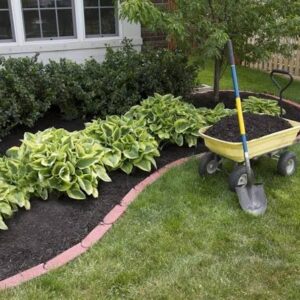
A fresh layer of mulch can emphasize the shape of garden beds and create contrast with green grass and colorful plants. Different mulch colors and textures can also complement the exterior design of a home.
For example, natural brown mulch can create a traditional appearance, while darker mulch may provide stronger contrast around colorful flowers and shrubs. The right choice depends on the property’s architecture, landscape design, plantings, and the homeowner’s preferences.
At Lawnworx, thoughtful mulch installation can help ensure that the finished result looks intentional rather than uneven or randomly distributed.
What Are the Main Benefits of Professional Mulch Installation?
One of the primary benefits of professional installation is proper preparation. Before mulch is applied, the planting area should be evaluated and prepared. Existing weeds, leaves, branches, and unwanted debris may need to be removed so the new material can be distributed more effectively.
Professional installation also helps create a consistent appearance. Uneven mulch depths can make landscape beds look messy and may reduce the effectiveness of the material. Experienced landscapers understand how to distribute mulch around plants, trees, borders, and other landscape features.
Another advantage is efficiency. Moving, transporting, spreading, and cleaning up large amounts of mulch can be physically demanding. Professional equipment and experience can make the process considerably easier for property owners.
How Does Mulch Help Conserve Soil Moisture?
Water management is an important part of maintaining a healthy landscape. Exposed soil can lose moisture relatively quickly through evaporation, particularly when exposed to sunlight and warm weather.
Mulch acts as a protective covering over the soil surface. By reducing direct exposure, it can help slow moisture loss and keep the soil around plant roots moist for longer periods.
This does not mean mulch eliminates the need for irrigation. Plants still require appropriate watering based on their species, location, season, and environmental conditions. However, combining proper watering practices with mulch can support more efficient landscape maintenance.
Homeowners should also avoid excessive watering simply because mulch is present. The soil beneath the mulch should be checked when determining whether plants actually need additional water.
Can Mulch Help Control Weeds?
Yes, mulch can help reduce weed growth when installed properly. A sufficient layer of mulch can limit sunlight reaching weed seeds near the soil surface, making it more difficult for some weeds to establish.
Mulch should not be considered a complete weed-control solution. Persistent weeds can still emerge, particularly around edges and through thin areas. Regular inspection and maintenance remain important.
Before installing new mulch, removing existing weeds is usually beneficial. Otherwise, weeds may continue growing beneath or through the new material.
Professional mulch installation can combine bed preparation and material application to create a cleaner starting point for ongoing landscape maintenance.
How Does Mulch Protect Plant Roots?
Plant roots can be affected by fluctuations in soil temperature and moisture. A mulch layer provides a degree of insulation over the soil surface, helping reduce rapid changes in conditions.
Mulch can also help protect the soil from the direct impact of heavy rainfall. Without ground cover, rain can disturb exposed soil and contribute to erosion, particularly on slopes or areas with drainage challenges.
By covering the soil, mulch creates an additional protective layer around planting areas. This can be particularly useful around trees, shrubs, and perennial plants.
It is important, however, that mulch be installed correctly. Mulch should not be piled directly against tree trunks or plant stems because excessive moisture around these areas can create unfavorable conditions.
What Types of Mulch Are Available?
There are several types of mulch available for residential and commercial landscapes. Hardwood mulch is a popular option because of its natural appearance and suitability for many garden beds.
Pine bark mulch can provide a distinctive natural appearance and may work well with particular landscape styles. Colored mulch is another option for property owners who want to create stronger visual contrast.
Some mulch products are designed for specialized applications, so choosing the right material requires consideration of the location and intended use.
Property owners should consider more than color when selecting mulch. The material’s texture, decomposition rate, availability, cost, landscape requirements, and desired appearance should all be evaluated.
How Deep Should Mulch Be Installed?
The appropriate mulch depth depends on the type of material and the specific landscape application. The goal is to provide useful coverage without creating an excessively thick layer.
Too little mulch may provide limited weed suppression and moisture protection. On the other hand, excessive mulch can restrict air and water movement around plant bases and create other landscape-management issues.
Trees require particular attention. Mulch should be distributed around the root zone without forming a tall mound against the trunk. The familiar “mulch volcano” appearance should be avoided.
Professional installation can help maintain a more appropriate and consistent depth throughout the landscape.
When Is the Best Time to Install Mulch in Cumming?
Mulch can be installed during different seasons depending on the property’s needs. Many homeowners schedule mulch installation in spring as they prepare their gardens and landscapes for the growing season.
Fall can also be an appropriate time to refresh landscape beds and improve soil protection before seasonal weather changes.
Rather than relying on a strict annual schedule, homeowners should inspect their existing mulch. If it has become thin, heavily decomposed, displaced, or visually unattractive, it may be time for a refresh.
The condition of the planting beds should also be considered before additional material is applied.
How Can Mulch Make Landscape Maintenance Easier?
A properly maintained mulch bed can reduce some of the routine work associated with garden maintenance. By helping suppress weeds and slow moisture evaporation, mulch can make planting areas easier to manage.
Mulch also creates clear boundaries between lawns and garden beds. This can make mowing and trimming more organized and help define the overall landscape design.
For busy homeowners, combining mulch installation with regular lawn care, pruning, planting, edging, and seasonal cleanup can create a more comprehensive property-maintenance strategy.
Why Should You Choose Lawnworx for Mulch Installation?
Choosing a qualified landscaping provider is important because the quality of installation affects both appearance and performance. Lawnworx can help property owners approach mulch installation as part of a broader landscape-improvement process.
A professional approach should include evaluating the existing planting beds, identifying areas that need preparation, selecting appropriate materials, applying mulch consistently, and leaving the surrounding property clean.
Working with a landscaping professional can also save homeowners the effort of purchasing, transporting, moving, and spreading large quantities of mulch themselves.
For properties with multiple planting areas or larger landscape beds, professional installation can be particularly convenient.
How Can Mulch Complement Other Landscaping Services?
Mulch works particularly well when combined with other landscape services. For example, a planting project can be finished with mulch around newly installed shrubs and flowers. Tree-care projects can also benefit from appropriately mulched root zones.
Mulch can complement landscape edging, which creates clean borders between planting beds and lawns. It can also work alongside pruning, seasonal cleanup, irrigation management, and landscape design.
When these services are coordinated, the property can have a more consistent appearance and easier maintenance routine.
At Lawnworx, integrating mulch into a broader landscape-care plan can help homeowners address both the appearance and practical needs of their outdoor spaces.
What Should Homeowners Consider Before Installing Mulch?
Before beginning a mulch project, homeowners should inspect the entire landscape. Identify which areas require mulch and determine whether existing material needs to be refreshed, redistributed, or removed.
Plant health should also be considered. Mulch should not be placed directly against stems or tree trunks. Irrigation systems should be checked so that mulch does not interfere with sprinkler heads or other components.
Drainage is another important consideration. If a planting bed already experiences standing water, simply adding mulch will not solve the underlying drainage issue. Water-management problems may require a separate landscaping solution.
Finally, homeowners should consider the desired appearance and select a mulch material that complements the property.
What Makes Professional Mulch Installation a Smart Investment?
Professional mulch installation provides more than a fresh appearance. It can help homeowners protect landscape beds, reduce maintenance demands, improve soil coverage, and create a more organized outdoor environment.
Instead of spending hours purchasing bags or bulk mulch, transporting materials, preparing planting beds, and spreading everything manually, homeowners can rely on experienced professionals to handle the project.
The result can be a landscape that looks cleaner while receiving practical benefits from properly applied ground cover.
Frequently Asked Questions
How often should mulch be replaced?
There is no single schedule that works for every property. Mulch should be inspected regularly and refreshed when it becomes thin, faded, heavily decomposed, or uneven.
Does mulch eliminate weeds completely?
No. Mulch can help suppress many weeds, but some weeds may still appear. Regular monitoring and removal are still necessary.
Can mulch help plants retain water?
Yes. Mulch can reduce evaporation from the soil surface and help maintain moisture around plant roots.
Is mulch suitable around trees?
Yes, when installed correctly. Mulch should be spread around the root zone without being piled against the tree trunk.
Can I install mulch myself?
Yes, smaller projects can often be handled by homeowners. Larger projects may require considerable time, transportation, physical effort, and specialized tools, making professional installation more convenient.
What is the best mulch for my landscape?
The best option depends on your plants, landscape design, maintenance goals, budget, and preferred appearance. A landscaping professional can help you evaluate the available choices.
Conclusion
Mulch is a simple landscaping material, but its impact can be significant when it is selected and installed correctly. From improving curb appeal to helping conserve soil moisture, suppress weeds, protect soil, and moderate root-zone temperatures, mulch can support both the appearance and health of residential and commercial landscapes.
For property owners in Cumming, professional installation can make the process easier and help ensure a consistent, properly prepared result. Choosing the right mulch, preparing planting beds, maintaining appropriate depth, protecting tree trunks, and monitoring the landscape afterward are all important parts of successful mulching.
Written by: Rank Business Listings