


Understanding the importance of basement space
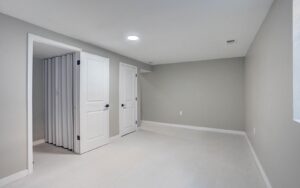
Many homes include a basement that is not fully used. In many cases, this space is only used for storage or left unfinished. This means a large part of the home does not support daily living needs.
Basement finishing helps turn this unused area into a functional space. It allows homeowners to use the full footprint of their property. In areas like Parker and nearby Colorado communities, basement upgrades are common because homes often include large lower levels.
Evaluating the existing basement condition
Checking structure and layout
The first step in basement finishing is a full inspection. This includes checking walls, floors, ceiling height, and support systems. The space must be safe and suitable for renovation.
Professionals working on basement finishing in Parker review these details before planning changes. They make sure the structure can support new design elements.
Identifying moisture and air issues
Basements are more likely to have moisture problems than other parts of the home. Water may enter through walls or floors if not sealed well.
Inspection includes checking for damp areas, stains, and air quality concerns. This helps guide the choice of materials and systems during the project.
Planning the purpose of the space
Defining how the basement will be used
A finished basement can serve many purposes. It can be used as a living room, office, gym, or guest area. The design depends on how the homeowner plans to use the space.
Professionals working on basement finishing in Parker help define this purpose early. This ensures the final result meets daily needs.
Creating an efficient layout
A clear layout helps improve how the space functions. Rooms are arranged to allow easy movement and access.
Open layouts are often used to make the basement feel larger. In some cases, separate sections are created for different activities.
Adding useful storage areas
Storage is important in any living space. Basements can include shelves, cabinets, and hidden storage units.
These features help reduce clutter and keep the space organized. This improves both comfort and usability.
Improving comfort in basement spaces
Installing proper insulation
Basements can feel cold if they are not insulated well. Insulation helps control indoor temperature and improve comfort.
Modern insulation materials are used during finishing. These help make the space suitable for daily use throughout the year.
Adding effective lighting systems
Basements often have limited natural light. Lighting is important to make the space feel open and usable.
Remodeling includes adding ceiling lights, wall fixtures, and task lighting. These improve visibility and comfort.
Enhancing airflow and ventilation
Air movement is important in basement spaces. Without proper ventilation, the area can feel damp.
Ventilation systems help remove moisture and improve air quality. This supports a more comfortable indoor environment.
Managing moisture and durability
Using water resistant materials
Basement spaces must handle moisture carefully. Materials used in finishing should resist water and wear.
Tiles, sealed floors, and treated walls are often used. Professionals working on basement finishing in Parker select materials that support long term use.
Applying waterproofing methods
Waterproofing is a key step in basement finishing. Walls and floors are sealed to prevent water entry.
This protects the structure and helps maintain the condition of the space over time.
Supporting flexible use of space
Designing multi purpose areas
A finished basement can support many activities. It can be used for work, relaxation, or entertainment.
Flexible design allows the space to change over time. This helps meet different lifestyle needs.
Improving access and movement
Basements should be easy to enter and move through. Stairs and entry points are reviewed during renovation.
Clear pathways improve safety and comfort. This makes the space easier to use every day.
Integrating modern features
Adding simple technology options
Modern basements may include basic technology features. These can include lighting control and temperature settings.
These features improve ease of use and comfort.
Upgrading electrical systems
Older basements may not support modern electrical needs. Finishing includes updating wiring and outlets.
This ensures safe and reliable use of devices and appliances.
Maintaining structural safety
Working within existing home structure
Basement finishing must follow the structure of the home. Changes should not affect stability.
Walls, floors, and support systems are checked before work begins. MSSV Construction follows proper steps to maintain structural safety.
Managing each stage of the project
Basement finishing includes several steps. These include planning, insulation, installation, and final work.
Each stage must be completed in order. MSSV Construction works with skilled teams to manage the process smoothly.
Following local building rules
Meeting required codes
Basement finishing must follow local regulations. In Colorado, codes include ceiling height, ventilation, and safety exits.
Professionals working on basement finishing in Parker follow these rules carefully. This ensures the space is safe and approved for use.
Including safety features
Finished basements must include safety elements. These may include proper exits and lighting systems.
These features help protect residents and support daily use.
Enhancing long term usability
Making full use of available space
Basement finishing allows homeowners to use space that was not used before. This improves how the home functions overall.
It adds usable space without changing the structure above ground.
Supporting changing needs over time
As needs change, basement spaces can be adjusted. They can be used for work, hobbies, or rest.
Flexible design helps the space adapt over time.
Creating balanced living space
A finished basement helps balance the home layout. It reduces pressure on upper floors.
This creates a more comfortable and organized environment for daily living.
Improving interior flow and connection
Connecting basement to main living areas
A finished basement should feel like part of the home. Design choices help connect it with the upper floors.
Stairs, lighting, and layout all play a role. These features create a smooth transition between spaces.
Maintaining consistent design
Using similar colors and materials helps the basement match the rest of the home. This creates a unified look.
Consistency in design improves both comfort and visual flow.
Conclusion
Basement finishing helps improve how interior space is used in residential homes. It turns unused areas into functional and comfortable living spaces. By improving layout, insulation, and moisture control, these projects support long term usability. With proper planning and design, basement finishing creates flexible spaces that meet modern lifestyle needs.