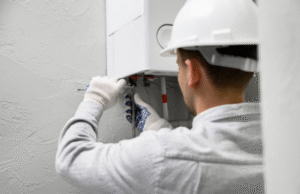

When it comes to keeping homes warm and comfortable during the frosty months in the UK, home heating oil remains a trusted and cost-efficient energy source. But what often gets overlooked is the heart of the system itself — the heating oil tank. A well-installed, properly maintained, and safely managed tank can make the difference between a seamless heating experience and an expensive, stressful problem.
Whether you’re installing a new tank, replacing an old one, or simply want to keep your current system in top condition, this comprehensive guide covers everything you need to know about installation, maintenance, and safety.
1. Understanding Home Heating Oil Tanks in the UK
Home heating oil tanks are designed to store kerosene or gas oil (commonly referred to as heating oil) and supply it to boilers, cookers, or heating systems. They are particularly popular in rural and semi-rural areas of the UK where properties are not connected to the mains gas grid.
There are two main types of oil tanks commonly found in British homes:
-
Single-skin tanks: A basic single-layer structure that holds oil. These are usually cheaper but require a bund (secondary containment) in certain installations.
-
Bundled tanks (double-skinned): These include an inner tank and an outer protective layer to prevent leaks and environmental contamination.
Common materials:
-
Plastic tanks (polyethylene): Lightweight, durable, and resistant to rust.
-
Steel tanks: Strong, long-lasting, and often used for larger installations.
Choosing the right tank depends on capacity, available space, budget, and environmental considerations.
2. Legal Regulations and Compliance in the UK
Before installing an oil tank, it’s crucial to understand UK regulations. The Oil Storage Regulations 2001 (England) and similar legislation in Scotland, Wales, and Northern Ireland set clear rules for domestic oil storage.
Key compliance points include:
-
Capacity: Tanks with a capacity of over 2,500 litres must be bunded.
-
Location: Tanks must be sited at least:
-
10 metres from controlled water sources
-
1.8 metres from buildings
-
760 mm from boundaries
-
-
OFTEC Standards: Installation should comply with OFTEC (Oil Firing Technical Association) guidelines to ensure safety and efficiency.
Tip: Always use a qualified, OFTEC-registered technician for installation to ensure your tank meets all legal and environmental standards.
3. Choosing the Right Location for Your Tank
Proper siting is essential for safety, accessibility, and longevity. A poorly placed tank can lead to maintenance difficulties, fire hazards, or environmental damage.
Ideal tank location factors:
-
Stable base: A solid, non-combustible base such as concrete or paving slabs at least 42 mm thick.
-
Accessibility: Ensure easy access for oil deliveries and routine inspections.
-
Distance from hazards: Maintain required clearances from buildings, fences, and water sources.
-
Sheltered but ventilated: Position your tank where it’s protected from extreme weather but still has proper air circulation to prevent condensation build-up.
4. Professional Installation: What to Expect
Professional installation is more than just placing a tank in your garden. It involves careful planning, regulation checks, and technical precision.
A typical installation process includes:
-
Site survey: Assessing the property, ground conditions, and access for oil delivery.
-
Tank selection: Choosing the appropriate size and type (single-skin or bunded).
-
Base preparation: Laying a stable and level foundation.
-
Tank positioning: Ensuring proper clearances and compliance with fire safety standards.
-
Connection to the heating system: Installing pipework, filters, and fire valves.
-
Testing and commissioning: Checking for leaks, correct flow, and safety features.
Pro Tip: Investing in professional installation may seem costlier initially but can save you thousands in fines, environmental clean-up, and repair costs in the long run.
5. Routine Maintenance: Extending the Life of Your Tank
Like any heating system component, an oil tank requires regular maintenance to stay efficient and safe. A neglected tank can lead to leaks, contamination, and even boiler breakdowns.
Recommended maintenance schedule:
-
Annual inspection: Check for cracks, rust, bulging, or discolouration.
-
Clean the tank: Remove sludge or water build-up that can damage your boiler.
-
Check fuel filters and gauges: Ensure accurate readings and smooth flow.
-
Vent and inspection points: Keep them clean and well-sealed.
-
Fire valves and safety devices: Test regularly to ensure functionality.
OFTEC recommends an annual service by a qualified technician. This not only keeps your tank in good health but also helps identify problems before they escalate.
6. Recognising Signs of Tank Problems
Early detection can prevent costly damage. Watch out for:
-
Unusual smells of oil around the tank area
-
Damp patches on the ground beneath or around the base
-
Sudden increase in fuel usage (could indicate a leak)
-
Rust or cracks in steel or plastic tanks
-
Discoloured oil (a sign of water ingress)
If any of these appear, stop using the tank immediately and contact a professional for inspection.
7. Safety Precautions Every Homeowner Should Follow
Heating oil tanks, though safe when maintained correctly, still require proper safety practices to avoid accidents or environmental damage.
Essential safety tips:
-
Install an overfill alarm: Prevents spills during delivery.
-
Use lockable fill points: Reduces risk of theft or tampering.
-
Install a bunded tank: Especially in sensitive environmental areas.
-
Keep the tank clear: Don’t store materials or rubbish around the tank.
-
Know your shut-off valve location: In case of an emergency, you should be able to stop the flow quickly.
Also, it’s good practice to keep a spill kit nearby with absorbent materials and clear instructions.
8. Environmental Protection and Spill Prevention
An oil spill isn’t just messy — it’s a serious environmental issue. A single litre of heating oil can contaminate up to a million litres of water. Homeowners in the UK can be legally responsible for clean-up costs, which can be substantial.
Preventative measures:
-
Opt for bunded tanks or secondary containment systems.
-
Regularly inspect the base and bund for cracks or damage.
-
Keep rainwater out of the bund area to maintain its capacity.
-
Arrange emergency insurance cover to protect against accidental spills.
If a spill does occur:
-
Stop the source immediately.
-
Contain the spill if it’s safe to do so.
-
Call the Environment Agency’s incident hotline.
-
Contact your insurance company and a qualified spill response service.
9. Heating Oil Tank Replacement: When and Why
Even with the best maintenance, heating oil tanks have a finite lifespan—typically around 15 to 20 years. Replacing an old tank before it fails can save you from leaks, fines, and major disruptions.
Signs you might need a replacement:
-
Frequent repairs or maintenance issues
-
Structural degradation or warping
-
Unreliable readings from gauges
-
Rusting or bulging in steel tanks
-
Regulatory non-compliance
Modern tanks often come with improved safety features, longer warranties, and better insulation, making replacement a wise long-term investment.
10. Preparing for Winter: Seasonal Tank Care
UK winters can be harsh, and cold weather often exposes weaknesses in neglected tanks. Here’s how to prepare:
-
Top up your tank early: Avoid peak winter price surges.
-
Insulate exposed pipes: Prevent freezing and blockages.
-
Install a tank cover: Helps shield it from frost and debris.
-
Check your boiler and burner: Ensure everything works efficiently before the first cold snap.
A little preparation before winter can mean the difference between a warm, worry-free season and unexpected heating emergencies.
11. Cost Considerations: Installation & Maintenance Budgeting
The cost of installing a home heating oil tank in the UK can vary depending on size, material, and site complexity. On average:
-
Small plastic tank installation: £1,200 – £2,000
-
Larger bunded tank installation: £2,000 – £4,000+
-
Annual maintenance & servicing: £100 – £250
While this may seem like a significant investment, proper installation and maintenance dramatically reduce long-term costs and improve energy efficiency.
12. Final Thoughts: A Safe & Warm Home Starts with the Tank
Your home heating oil tank is more than just a storage unit — it’s the foundation of your heating system. By understanding how to install it correctly, maintain it regularly, and follow essential safety practices, you can enjoy reliable warmth, lower energy costs, and peace of mind throughout the year.
In the UK, where heating oil remains a vital energy source for many households, being proactive about your tank isn’t just smart — it’s essential. Think of it as an investment in comfort, safety, and environmental responsibility.