

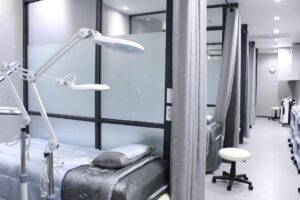

In a busy healthcare facility, hundreds of people come into contact with the same surfaces every day. Patients, visitors, nurses, physicians, and support staff all interact with equipment and objects throughout their daily routines. Because of this constant contact, high-touch surfaces in hospitals require daily disinfection to help reduce the spread of harmful microorganisms and support a safer environment for everyone.
Environmental cleaning is a key part of every hospital’s infection prevention program. While hand hygiene and personal protective equipment play essential roles, keeping frequently touched surfaces clean is equally important. Hospitals that follow consistent cleaning and disinfection protocols can strengthen environmental hygiene and reduce opportunities for healthcare-associated infections (HAIs).
Why High-Touch Surfaces Matter
Not every surface in a hospital carries the same level of risk. High-touch surfaces are those that are handled repeatedly throughout the day by multiple people.
When these surfaces are not cleaned and disinfected regularly, microorganisms can remain on them and potentially spread through contact. Patients with weakened immune systems, those recovering from surgery, and individuals receiving intensive medical care may be especially vulnerable to infections.
Daily disinfection of these areas helps healthcare facilities maintain cleaner environments and support patient safety.
Common High-Touch Surfaces in Hospitals
While each healthcare facility has its own cleaning protocols, several surfaces consistently require close attention.
Bed Rails
Bed rails are among the most frequently touched objects in a patient room. Patients often use them for support, while healthcare professionals adjust them throughout the day.
Regular cleaning and disinfection help reduce contamination on these commonly handled surfaces.
Overbed Tables
Patients use overbed tables for meals, medications, personal belongings, and medical supplies.
Because these tables come into frequent contact with hands and everyday items, they should be disinfected regularly between uses and during routine room cleaning.
Call Buttons and Bedside Controls
Call buttons allow patients to communicate with caregivers and are handled many times throughout the day.
Similarly, bedside controls for beds, lighting, and entertainment systems should be included in every cleaning routine.
Door Handles and Push Plates
Hospital doors are used constantly by staff, patients, and visitors.
Door handles, push plates, and entrance hardware should receive frequent attention because they are touched by countless individuals every day.
Light Switches
Although often overlooked, light switches are another common touchpoint.
Including them in daily cleaning protocols helps reduce the buildup of microorganisms on frequently handled surfaces.
Medical Equipment
Equipment used in patient care requires careful cleaning between uses.
Examples include:
- Blood pressure monitors
- IV poles
- Wheelchairs
- Infusion pumps
- Patient monitors
- Portable diagnostic equipment
Following hospital cleaning guidelines for medical equipment helps reduce the risk of cross-contamination.
Bathroom Fixtures
Patient bathrooms contain several high-touch surfaces, including:
- Faucet handles
- Toilet flush handles
- Grab bars
- Door handles
- Sink surfaces
These areas should be disinfected regularly as part of routine environmental cleaning.
Chairs and Visitor Seating
Visitors, caregivers, and patients frequently use chairs in patient rooms and waiting areas.
Armrests, chair backs, and other commonly touched surfaces should be included in daily cleaning schedules.
Why Daily Disinfection Is Important
Cleaning high-touch surfaces every day helps hospitals maintain consistent environmental hygiene.
Daily disinfection supports infection prevention by:
- Reducing environmental contamination
- Supporting patient safety
- Helping prevent the spread of microorganisms
- Maintaining cleaner patient care environments
- Strengthening hospital cleaning protocols
While manual cleaning remains essential, many hospitals also use advanced technologies to enhance the disinfection process.
How UV Disinfection Supports Surface Cleaning
Manual cleaning removes visible dirt and contaminants, but hospitals often add another layer of protection using UV disinfection technology.
After routine cleaning has been completed, UV disinfection systems use ultraviolet light to help inactivate microorganisms that may remain on exposed surfaces.
This automated process complements environmental services teams by providing consistent room disinfection without replacing traditional cleaning methods.
Together, manual cleaning and UV disinfection create a more comprehensive approach to environmental hygiene.
Best Practices for Maintaining High-Touch Surfaces
Hospitals can improve cleaning consistency by following several best practices:
- Follow standardized cleaning checklists.
- Disinfect high-touch surfaces according to hospital protocols.
- Clean patient care equipment between uses.
- Train environmental services staff regularly.
- Monitor cleaning quality and compliance.
- Incorporate automated technologies, such as UV disinfection, where appropriate.
These practices help ensure that frequently touched areas receive the attention they require throughout the day.
How Xenex Supports Hospital Environmental Hygiene
Xenex develops advanced UV disinfection solutions that help healthcare facilities strengthen environmental cleaning programs.
Used after manual cleaning, Xenex systems provide automated UV disinfection that helps reduce microorganisms on exposed surfaces. By integrating seamlessly into existing hospital workflows, Xenex supports environmental services teams in creating cleaner patient care environments while enhancing infection prevention efforts.
Conclusion
High-touch surfaces are among the most important areas to address in any hospital cleaning program. Because these surfaces are handled repeatedly throughout the day, consistent cleaning and disinfection are essential for reducing the spread of harmful microorganisms.
By combining routine manual cleaning with advanced UV disinfection technology, healthcare facilities can strengthen infection prevention strategies, improve environmental hygiene, and support safer experiences for patients, healthcare workers, and visitors.
Short Summary
High-touch surfaces in hospitals—including bed rails, overbed tables, door handles, call buttons, medical equipment, and bathroom fixtures—require daily disinfection to support infection prevention and patient safety. Manual cleaning remains the foundation of hospital hygiene, while UV disinfection provides an additional layer of protection by helping reduce microorganisms on exposed surfaces. Xenex supports healthcare facilities with advanced UV disinfection solutions that complement existing cleaning protocols.
Frequently Asked Questions
1. What are high-touch surfaces in hospitals?
High-touch surfaces are objects and areas that are frequently handled by patients, healthcare workers, and visitors, such as bed rails, door handles, call buttons, and medical equipment.
2. Why do high-touch surfaces require daily disinfection?
Because they are touched repeatedly throughout the day, these surfaces can accumulate harmful microorganisms. Daily disinfection helps reduce contamination and supports infection prevention.
3. Which hospital surfaces are cleaned most often?
Commonly cleaned surfaces include bed rails, overbed tables, light switches, door handles, bathroom fixtures, medical equipment, and patient room controls.
4. Does UV disinfection replace manual cleaning?
No. UV disinfection is designed to complement manual cleaning by providing an additional layer of disinfection after routine cleaning procedures have been completed.
5. How does Xenex help hospitals disinfect high-touch surfaces?
Xenex provides UV disinfection systems that integrate into hospital cleaning workflows, helping healthcare facilities strengthen environmental hygiene and support infection prevention programs