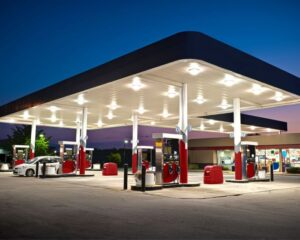

Every fuel site reaches a point where the repair list gets longer than the improvement list. Tanks age, dispensers slow down, and the canopy starts looking dated next to the station across the road. This is where fueling equipment financing earns its place, because very few operators can write one check for a full site rebuild and still sleep well that month.
The goal is not simply to borrow. The goal is to sequence the work so each phase starts earning before the next one begins.
What Actually Counts as Fueling Equipment
Owners often assume financing covers only the pumps. The list is much wider than that. Most industry lenders will fund the entire forecourt, including:
- Fuel dispensers and payment terminals
- Underground storage tanks, piping, and sumps
- Automatic tank gauges and leak detection systems
- Canopies, canopy lighting, and price signs
- Site image packages, wraps, and exterior signage
- Installation, freight, permits, and electrical work
That last line matters more than people expect. Labor and site work often add 30 to 40 percent to a project total. A lender who funds hardware only leaves you covering the rest in cash, which defeats the point.
How Fueling Equipment Financing Fits a Real Budget
The structure is simple. A lender pays your distributor and contractor, and you repay a fixed amount each month over a term that usually runs 36 to 72 months.
Your payment should sit against something the equipment gives back. New dispensers move more gallons per hour. Compliant tanks avoid fines and shutdowns. Brighter lighting brings in evening traffic. Write those numbers down before you sign anything, even rough ones.
Here is the test I would apply. If the upgrade adds nothing to volume, margin, or compliance, it is decoration. If it does add something, the payment is just the cost of getting it sooner.
Phase the Work Instead of Doing It All at Once
Very few sites need everything replaced in the same year. A phased plan keeps payments manageable and gives you time to see results.
A common three step approach looks like this:
- Compliance first. Tanks, gauges, and anything with a regulatory deadline. These are not optional and delays get expensive.
- Revenue second. Dispensers, lighting, and coolers, because they directly affect how much you sell.
- Appearance third. Canopy skins, signage, and the image package that ties the site together.
Each phase can carry its own agreement, or a lender can roll later phases into one payment. Ask which option costs less over the full period before you commit.
Rebranding Without Draining the Account
Fuel suppliers set image standards, and those standards change. A brand conversion can mean new canopy fascia, new signage, new colors, and sometimes a full interior refresh. The deadline usually arrives at an inconvenient time.
Convenience Store Brand Image Financing exists for exactly this. It spreads the cost of the conversion across the years you will benefit from the new look, rather than forcing you to fund it from a single quarter of profits. Many suppliers also offer image allowances or rebranding incentives, so ask what your supplier contributes before you finalize the amount you finance.
One practical tip. Get the supplier’s image specification in writing before you request quotes. Contractors price differently when they know the exact requirement, and you avoid paying twice for the same sign.
Where Convenience Store Equipment Leasing Fits
Not every asset should be owned outright. Convenience Store Equipment Leasing tends to make sense for items that change quickly, such as payment technology, POS systems, and coolers you may want to upgrade in five years. A fair market value lease keeps the payment low and gives you an exit at the end of the term.
Assets with long service lives usually justify ownership. Tanks and canopies outlast most financing terms, so an equipment finance agreement or a dollar buyout lease often works better there.
Split the project by asset life, not by habit. That single decision can change your monthly number more than shopping for a slightly better rate.
Fueling Equipment Financing Mistakes Worth Avoiding
Most problems trace back to the same handful of oversights.
- Quoting hardware only. Always confirm installation and site work are included in the financed amount.
- Ignoring the tax calendar. Section 179 and bonus depreciation apply in the year equipment goes into service. Speak with your accountant before installation, not after.
- Choosing a bank that does not know the industry. A generalist underwriter sees a fuel site as an unusual risk. A specialist sees it as normal business.
- Skipping the end of term terms. Know your buyout, your notice period, and your early payoff options in advance.
A Quick Checklist Before You Apply
Have this ready and approvals move much faster:
- Signed quotes with a full equipment and labor breakdown
- Two years of business tax returns
- Fuel volume and inside sales figures for the site
- Entity documents for whoever signs
Patriot Capital has worked in this market since 2000, and lenders with that kind of focus usually turn smaller files around in a day or two. To know more about financing visit here.
The Independent Operator Angle
Roughly 60 percent of convenience stores in the United States are single store operations, according to NACS. That matters here. Single store owners rarely have a treasury department or a five year capital plan, and they feel every large purchase immediately.
Financing levels that field. It lets a one site operator upgrade on the same timeline as a chain, without handing over the cash cushion that keeps the business steady through a slow month or an unexpected repair.
Final Thoughts
A fuel site rewards owners who plan in phases and punishes those who wait for a perfect year. Fueling equipment financing gives you a way to fix compliance issues, replace tired equipment, and refresh the look of the property while your cash stays available for fuel drops and payroll. Start with a full quote, sort the work by urgency, and ask a lender to price two different terms. The right structure usually becomes obvious once you see both numbers next to your current repair spend.
Frequently Asked Questions
What can be included in a fueling equipment project?
Dispensers, tanks, gauges, canopies, lighting, signage, and the installation labor that goes with them. Ask each lender for a written list of what they will and will not cover.
How long are typical terms?
Most agreements run 36 to 72 months. Longer service life equipment supports longer terms, which lowers the monthly payment.
Will a supplier rebranding allowance reduce what I need to finance?
Usually yes. Confirm the allowance amount and payment timing with your supplier first, then finance the balance.
Do I need perfect credit?
No. Industry lenders like Patriot Capital weigh time in business, site volume, and equipment value alongside credit history, so many operators qualify after a bank declines.
Can I combine several upgrades into one payment?
Yes. Many operators bundle forecourt work, interior equipment, and image upgrades into a single agreement to keep contracts and payments simple.
That completes the set of three. All follow the same structure and tone, so they will read as one consistent series on the site.