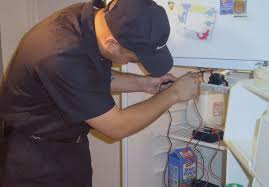

Finding water puddled inside your refrigerator can be frustrating, especially when you’re not sure where it’s coming from. A leaking fridge is one of the most common household appliance issues, and while it can look serious at first, it often comes from simple problems that you can fix without calling a technician. This guide walks you through the most likely causes, how to identify them, and step-by-step ways to resolve the issue. By the end, you’ll understand what’s happening inside your fridge and how to prevent leaks from returning.
Why Your Fridge Might Be Leaking Inside
A refrigerator is designed to maintain cool temperatures, manage humidity, and remove condensation. When any part of that system stops working correctly—whether due to a clogged drain, uneven temperature settings, or a damaged component—water can begin collecting inside.
Most indoor leaks begin in the fresh-food or freezer section. They show up as small puddles under the crisper drawers, water droplets on shelves, or ice buildup that melts periodically. Understanding the source is the first step to stopping the problem.
- Blocked or Frozen Defrost Drain
One of the most common reasons water shows up in the fridge leaking water inside is a blocked defrost drain. Modern refrigerators run through automatic defrost cycles. During this process, melted frost drains through a small tube and into a pan underneath the fridge, where it evaporates naturally.
When this tube becomes clogged by food particles, debris, or ice, water can’t drain properly. Instead, it backs up and collects inside the refrigerator.
Symptoms of a blocked drain:
- Water pooling under the crisper drawers
- Ice buildup at the back of the freezer
- Occasional dripping sounds
- Water appearing regularly after each cooling cycle
How to fix it:
- Locate the drain hole, usually found at the bottom of the freezer or fridge compartment.
- Check for visible ice or debris blocking the opening.
- Melt any ice using warm water. You can use a turkey baster or squeeze bottle to flush warm (not hot) water into the drain.
- Clean the drain tube by running more water until it flows freely into the drain pan below the fridge.
Prevention tips:
- Avoid pushing food items directly against the back wall of the fridge.
- Clean the drain every few months to prevent buildup.
- Keep temperature settings stable so the defrost cycle works properly.
- Faulty or Misaligned Door Seal
A refrigerator relies on tight door seals, also known as gaskets, to keep warm air outside. When warm air enters, it creates excess condensation that turns into water droplets. Over time, worn-out or dirty seals can lead to constant moisture buildup inside your fridge.
Signs of a bad door seal:
- Condensation forming on shelves or along door edges
- Food spoiling faster than usual
- Ice forming in the freezer unexpectedly
- The door not closing smoothly or popping open slightly
How to repair the problem:
- Clean the gasket with warm soapy water to remove dirt, grease, or food residue.
- Check for damage such as cracks or tears. If the seals are worn, replacement is usually simple and inexpensive.
- Ensure proper closure—test the seal by closing the door on a sheet of paper. If it pulls out easily, the seal may need replacing.
Prevention tips:
- Wipe the seal regularly to prevent buildup.
- Avoid placing heavy items in door bins that may distort the door frame.
- Ensure the fridge is level, so the door aligns correctly.
- Improper Temperature Settings
Fridge temperature plays a major role in condensation control. If your settings are too low, moisture in the air can freeze, then melt later and leak onto shelves. If the temperature is too high, food releases moisture that collects as water droplets.
Recommended temperature ranges:
- Refrigerator: 37°F to 40°F (about 3°C to 4°C)
- Freezer: 0°F (−18°C)
Fixing the issue:
- Adjust the temperature dial gradually, then wait 24 hours to see if the leak reduces.
- Avoid overloading the fridge, which blocks air circulation.
- Keep space between items so cool air can flow freely.
Why proper temperature matters:
Good airflow and stable temperatures help your fridge maintain balance, reducing frost and condensation that cause internal leaks.
- Cracked or Overflowing Drain Pan
While most leaks from the drain pan show up on the floor outside the fridge, an overflowing or misaligned pan can sometimes cause backflow that leaks inside the appliance.
Signs of a drain pan issue:
- A musty smell coming from underneath the fridge
- Water appearing intermittently
- Dampness around or beneath the fridge
How to check it:
- Unplug the fridge for safety.
- Locate the drain pan under the appliance (typically near the back bottom).
- Inspect it for cracks or warping.
- Clean it thoroughly and ensure it sits properly in place.
If the pan is cracked, replacing it is usually inexpensive and straightforward.
- Clogged Water Supply Line (For Refrigerators With Ice Makers or Water Dispensers)
If your fridge has an ice maker or water dispenser, a clogged or loose water supply line can cause water to leak inside the unit. This happens when water can’t flow freely and pressure pushes small amounts of water back into the system.
Symptoms:
- Water pooling under the freezer
- Wet ice or ice clumping together
- Slow or inconsistent water dispensing
Fixing the issue:
- Pull the fridge out and inspect the water line.
- Look for kinks, bends, or cracks.
- Tighten any loose connections.
- Replace damaged tubing completely.
- Overstuffing the Fridge
It may seem harmless to fill your fridge to capacity, but overpacking can block vents, disrupt airflow, and trap moisture. When cold air can’t circulate, it leads to condensation that eventually pools as water.
How to solve it:
- Remove unnecessary items and reorganize shelves.
- Ensure that vents in both the fridge and freezer are clear.
- Avoid stacking food tightly against the back wall.
Good airflow helps the cooling system work properly, reducing internal leaks and improving efficiency.
- A Faulty Defrost System
If the automatic defrost system malfunctions, frost can accumulate and eventually melt during warm cycles, causing water to drip inside your fridge.
The defrost system includes:
- The defrost timer
- Heater
- Thermostat
When any of these parts fail, frost buildup becomes unavoidable.
Signs of defrost failure:
- Excessive frost on the back wall
- A thick sheet of ice on the freezer floor
- Water appearing after each defrost attempt
What to do:
Basic cleaning and resetting can help, but if the system has an electrical fault, it’s best to call a professional. Replacing a defrost heater or control board typically requires expertise.
How to Prevent Water Leaks in the Future
Once you’ve solved the immediate problem, it’s wise to take steps to prevent future leaks. Regular maintenance can save you money and prevent damage to food and the fridge itself.
Prevention Checklist:
- Clean the defrost drain every few months.
- Keep the fridge level for proper drainage.
- Maintain correct temperature settings.
- Clean door seals regularly.
- Avoid overpacking shelves.
- Inspect water lines yearly if your fridge has a dispenser or ice maker.
Small routines like these go a long way toward keeping your appliance running smoothly.
When to Call a Professional
While many leak issues are manageable at home, there are times when expert help is necessary. You should contact a technician if:
- The leak continues after basic troubleshooting
- Ice buildup returns quickly
- Electrical components appear damaged
- You hear unusual noises or clicking sounds
- The fridge stops cooling properly
Attempting repairs beyond basic maintenance can be risky, so don’t hesitate to seek help if you’re unsure.
Final Thoughts
A refrigerator leaking water inside is a common problem but rarely a complicated one. Most leaks come from clogged drains, poor airflow, temperature issues, or worn door seals. With a little patience and the right steps, you can often diagnose and fix the problem yourself. Keeping your fridge clean, organized, and well-maintained will help prevent leaks from returning and ensure your appliance stays efficient for years to come.
If you want, I can also format this into a downloadable PDF, add headings for SEO optimization, or help you create a shorter summary version.